If you’re into aviation, you’ll likely know about Cirrus Aircraft because they’ve been around for awhile — since 1984 to be precise — however you may not have heard of their latest innovation, the Vision Jet.
They’ve come a long way since the two founders started building airplanes now more than thirty years ago in a barn in Baraboo Wisconsin.
The result was their original flagship product, known as the SR20. Today, they’re selling around 300 of that upgraded model (the SR22) a year at a price point of around a half million U.S. dollars. This jet seats four passengers and maxes out at 245 mph.
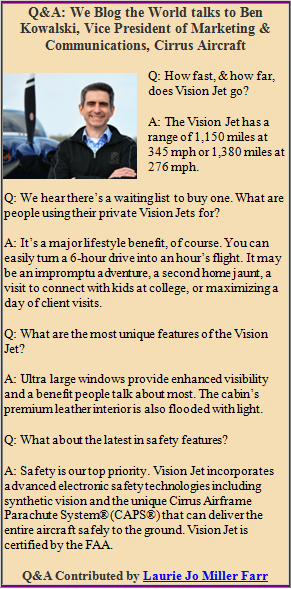
And so, when I heard about their launch activities to promote their new Vision Jet, which soars at 345 mph and seats five adults and two children, we had to experience it first hand.
Truth be told, I’ve always loved planes and have friends who have owned a myriad of planes over the years, from two seaters and helicopters to private jets that we used to travel to the D Conference every year (now ReCode).
Living in Silicon Valley is a bit unique in that your VC friends and even small to mid-sized business owners will opt to buy a plane if they do a lot of travel and that is less common in other parts of the world, except for perhaps in luxury hot spots like Monte Carlo, Paris, London, Singapore, Tokyo, Oslo, Zurich, Miami and LA. Sometimes, the ROI just works.
The new Vision Jet is priced at around $2 million, which is pricier than its cousin, the SR22, however apparently its revolutionary technology and aviation features make it around half the cost of its competitors and the operating costs are less all around. Sweet, right?
But, what if you’re not a business owner or a VC where the ROI makes more sense?
Certainly, you could go in on a purchase with several friends or do the next best thing – charter a jet when you need to impress or simply want a whole lotta luxury and pampering to get from point A to B.
It really makes sense most when you don’t have a lot of time and want to optimize that time in your destination or for a special occasion. Short distances make the most sense.
For example, on my trip out of Oakland airport, we were above Napa Valley in about 15 minutes. Imagine a weekend getaway from the Bay Area to Las Vegas or Los Angeles and it takes a fraction of the time to get there.
OR, if you want to go skiing in Sun Valley from San Francisco. Or, what about for a romantic surprise from LA or San Francisco to Sedona? You get the idea.
On our two or so hour trip, we spanned the Bay Area from north to south but spent most of our time heading north from Oakland Airport, over the Golden Gate Bridge (which was sadly fogged in) up to Napa and Sonoma Valleys. Of course, that doesn’t mean that the lower views weren’t spectacular — the nice thing about this plane is that you can go lower than commercial aircraft.
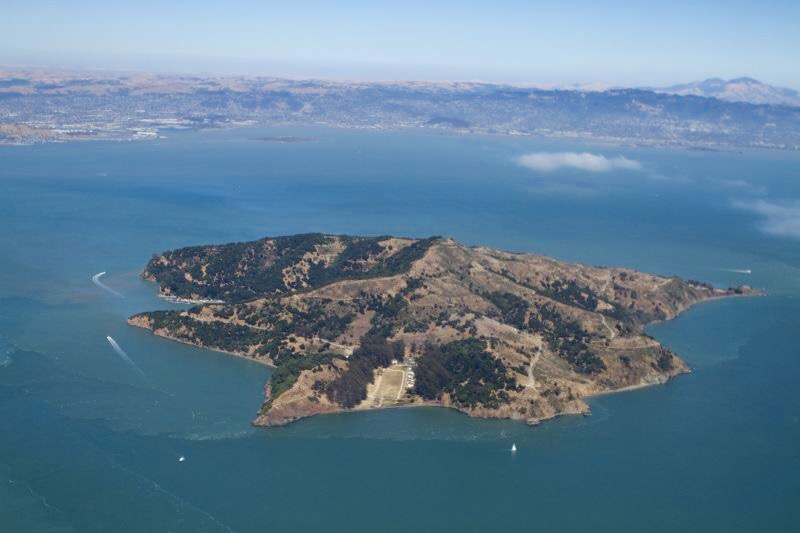
I’ve been meaning to take a helicopter ride over the Bay Area and this experience was about as close as you’ll get to the same thrill. Hand gliding would also be great over Northern California of course, so that’s next on the list.
Views above and below were taken from the back and front of the plane. Since there are so few seats and the windows are larger than commercial aircraft, you can really take advantage of the scenery.
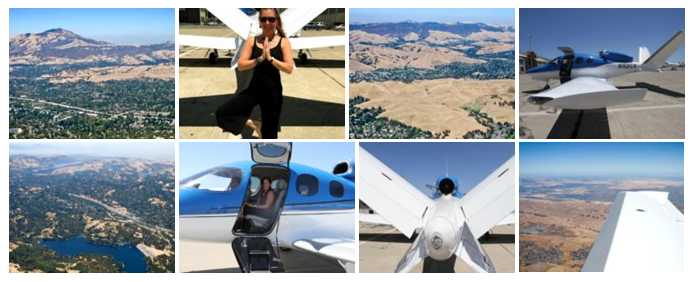
What I haven’t mentioned yet, is that Vision Jet’s marketing and PR team invited us and a few other journalists and photographers to experience Vision Jet first hand, which extended a bit further than just a quick ride to Napa.
The pilot who is based out of Knoxville Tennessee, allowed each of us to navigate from the co-pilot’s seat. There’s something very alluring about having the stick in your hand and seeing the words left, right, down and up starring you in the face, all of which gives you the control of the plane. You start thinking: “which direction do I want to go?” or “what angle of the mountain ranges do I want to see?” and so on.
Because safety is such an important part of their design process, there’s one button that neutralizes the plane if something goes awry. And, as mentioned in our Q&A, their Airframe Parachute technology deploys a parachute that encompasses the entire airplane if things get really bad. Once the the chute is deployed, the airplane descends at approximately 25 feet per second.
Because Vision Jet is built entirely out of carbon fiber, they can manufacture a single-piece fuselage that provides amazing strength but with light weight that allows more flexibility than traditional planes in the same category. On the dashboard, you’ll see mountains, water and beyond on the screen regardless of weather conditions — they use Perspective Touch by Garmin which automates many of Vision Jet’s systems.
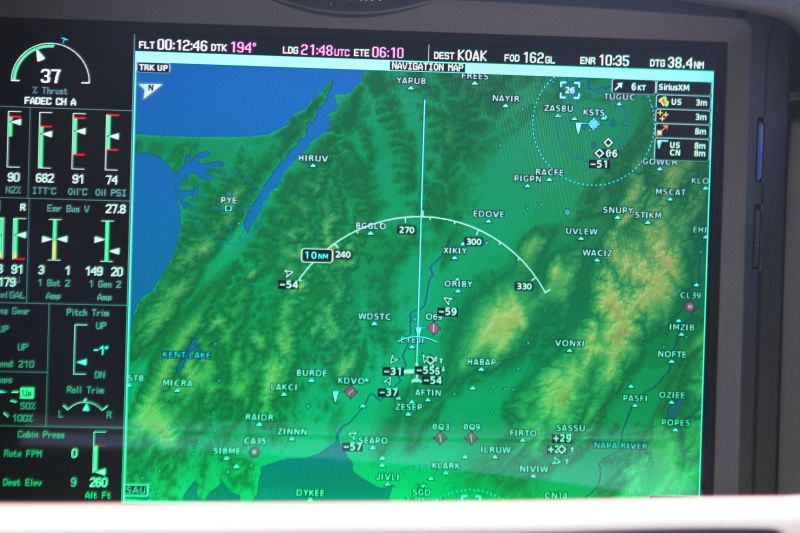
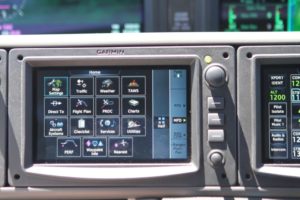

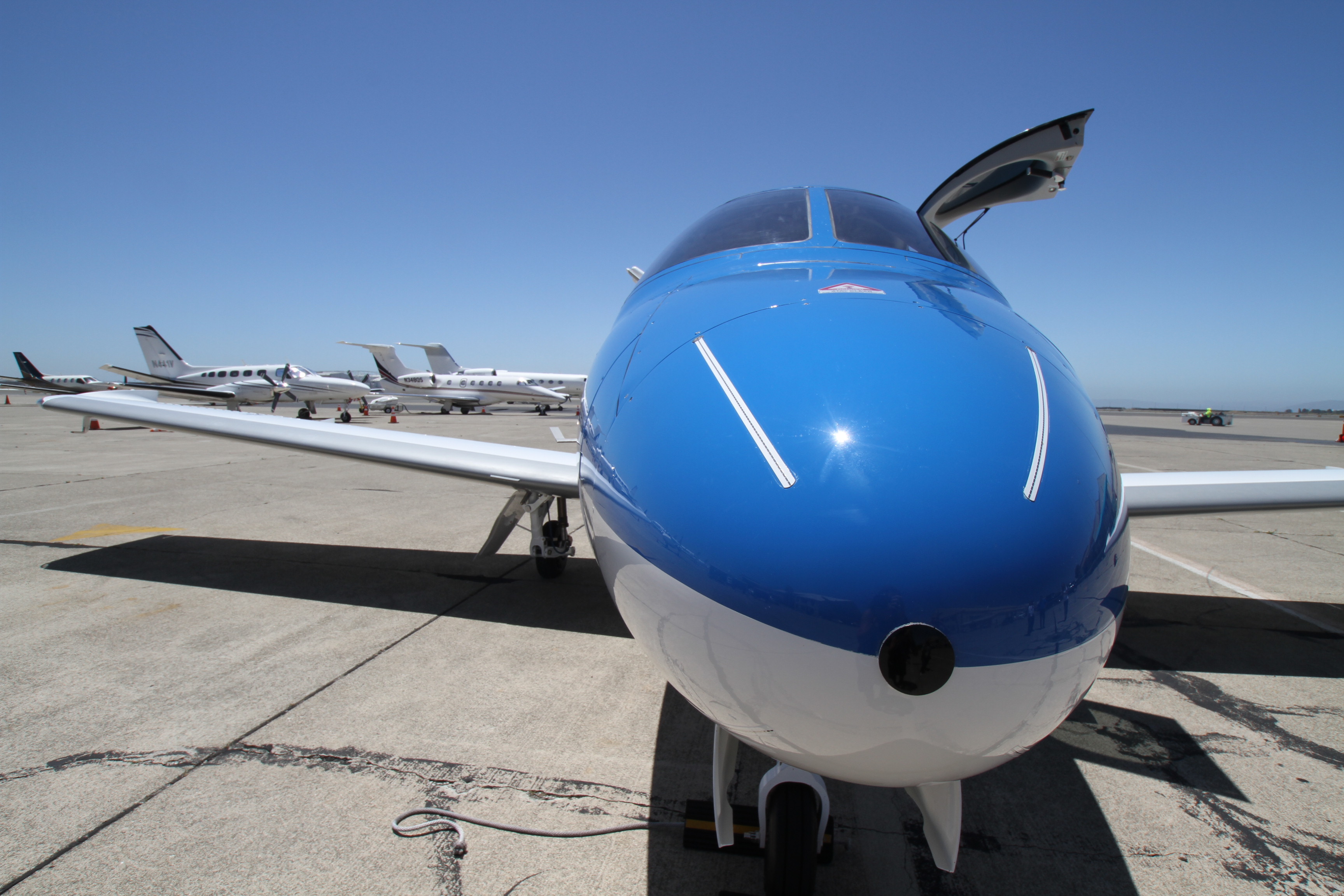
Vision Jet is designed to be flown by a single pilot, so whether you have the cash to buy one of these gems for yourself, could buy one with several friends or want to charter it for a special occasion, you’ll have the added benefit of more space, a smoother and quieter ride, and its additional safety features. And, you’ve got to admit, Vision Jet is also a very handsome aircraft. Below, the jet we experienced was designed in bright vibrant blue and white.
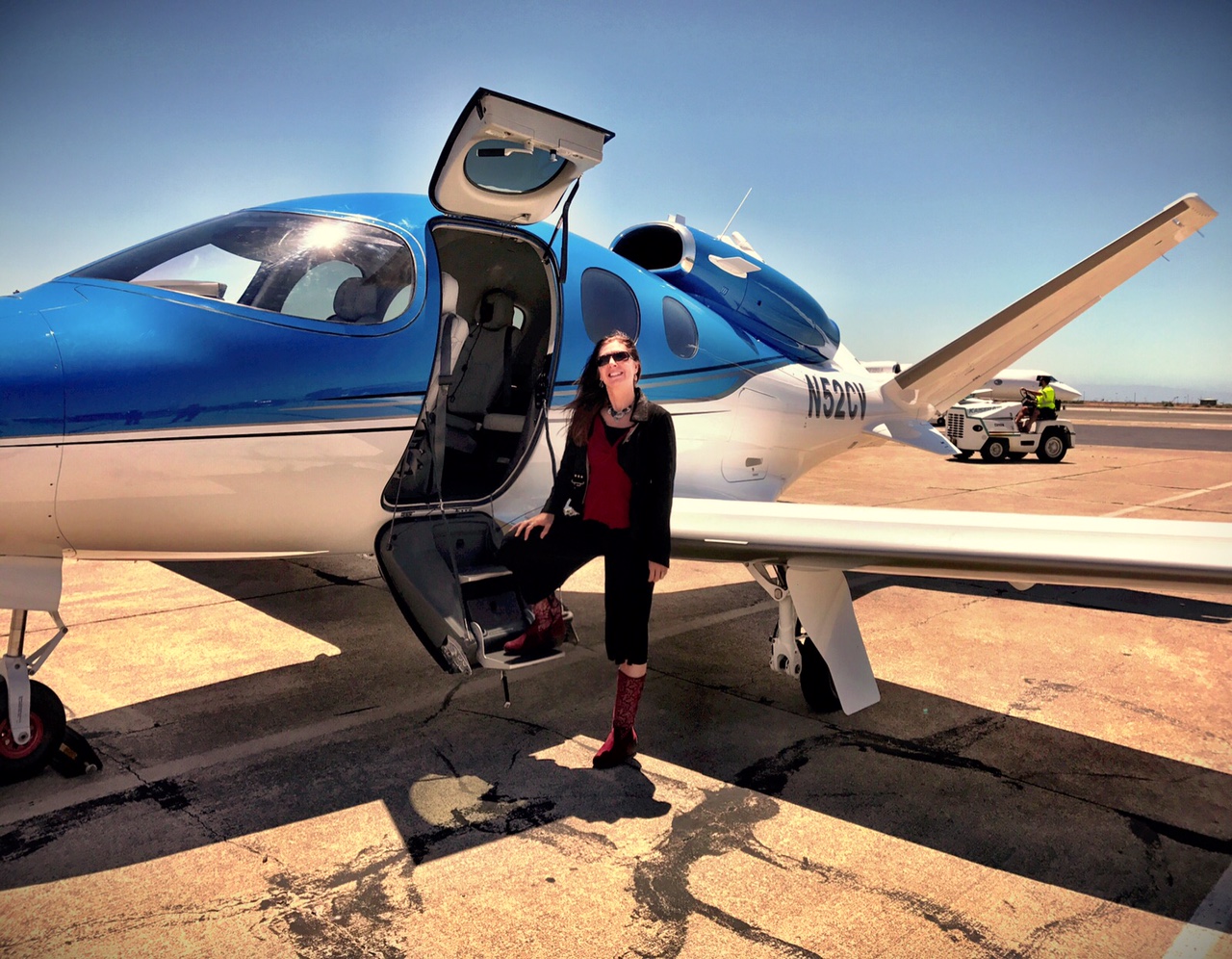

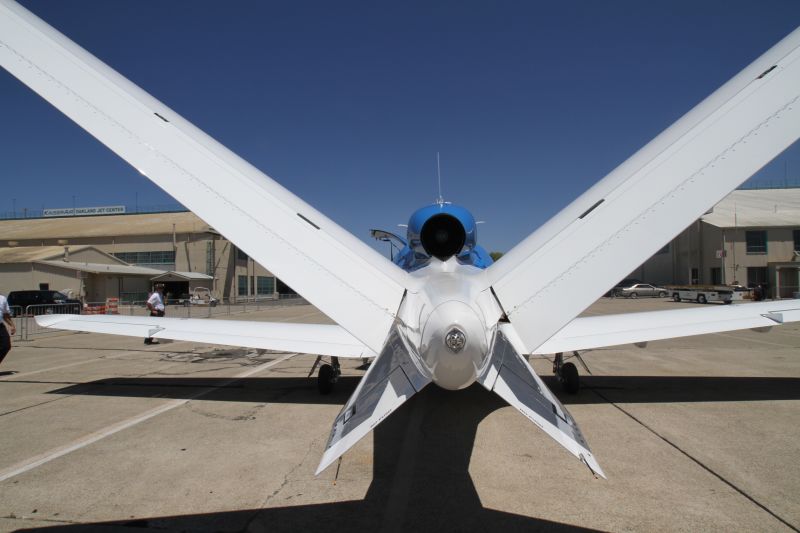
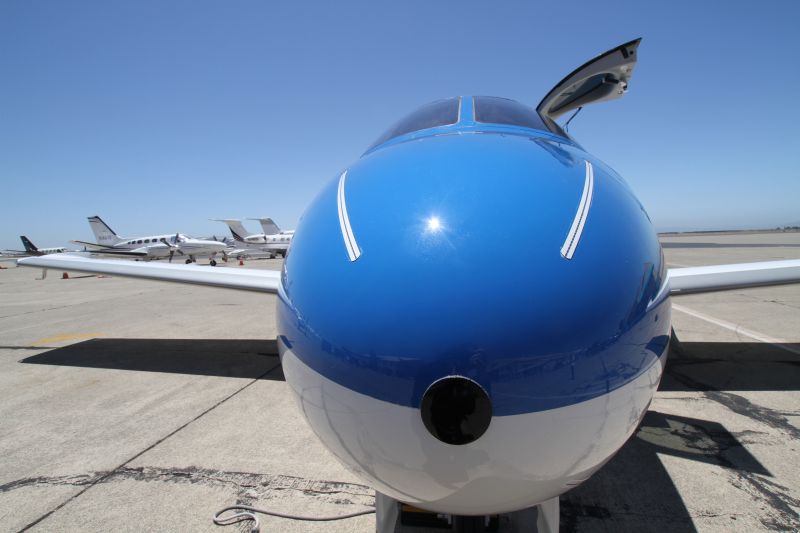

You’ll find the Vision Jet aircraft in red and white as well.
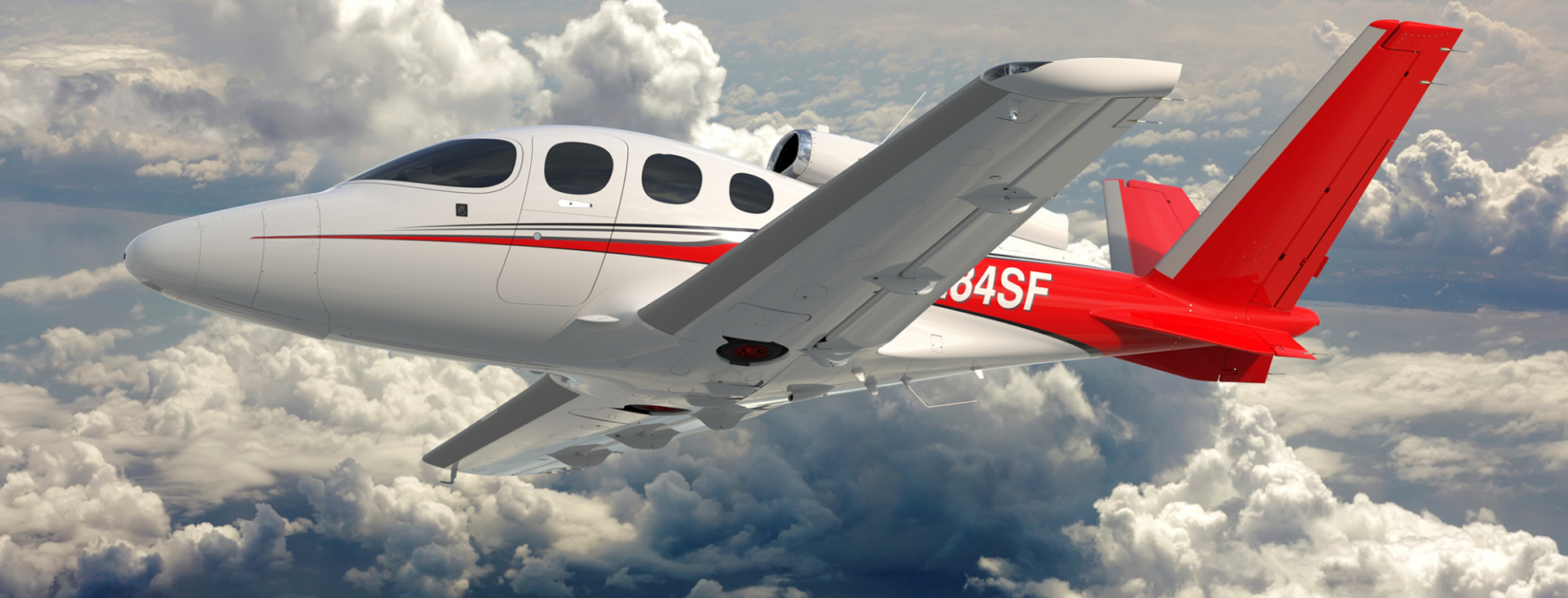
Above photo credit: Cirrus Aircraft

Renee Blodgett is the Founder and Managing Editor of We Blog the World, a global travel, culture and lifestyle publication exploring the world through the lens of meaningful experiences, human connection and cultural depth. Having lived in 10 countries and traveled to 95, Renee has spent much of her life immersed in the people, traditions, landscapes and ideas that shape how we experience the world.
Since launching We Blog the World in 2007, she has written and produced extensive editorial coverage spanning boutique and luxury travel, culinary experiences, arts and culture, wellness, adventure, technology, spiritual traditions and transformative travel. Her work is rooted in the belief that travel is about more than where we go—it is also about what a place, culture or encounter awakens within us.
Renee brings more than three decades of experience across journalism, photography, media, brand strategy, technology, wellness and global storytelling. She has worked with companies and organizations around the world on brand positioning, communications, product launches, media strategy, speaker positioning and storytelling. Through Blue Soul Media, she works with authors, entrepreneurs, thought leaders and purpose-driven brands to clarify their message and expand their impact, which includes speaker coaching/training for high-profile stages such as TED and bringing authors’ work to market while retaining authors rights.
She is also the co-founder of Blue Soul Earth, an educational platform exploring consciousness, ancient wisdom, spirituality, healing and the intersection between science and the nature of reality. Renee is the producer and host of the award-winning Blue Soul CHATS, a conversational series bringing together leading voices in science, technology, consciousness, wellness and spirituality.
Her growing body of work also includes Blue Soul Living, which extends her interest in consciousness and well-being into the spaces we inhabit, exploring how intentional design, energy and environment can support greater harmony and connection.
Renee is the award-winning co-author of the bestselling Magdalene’s Journey and founder of the Magdalene Collection, inspired by women’s voices, stories and wisdom across cultures and generations.
A longtime photographer and storyteller, Renee has documented people, places and cultures around the world and produced photographic collections focused on destinations including the Galápagos Islands, London, South Africa, Rome and Ecuador. She also co-founded Traveling Geeks, an international initiative that brought entrepreneurs, journalists, creators and technology leaders together with their counterparts in other countries to exchange ideas and explore innovation across cultures.
Renee’s work has been recognized by Forbes, the United Nations and others for her influence in media and social storytelling. Across her work in travel, media, consciousness and culture, a common thread remains: curiosity about the world, the stories that connect us and the ways meaningful experiences can change how we see ourselves and one another.