Our first stop on our recent September trip to southern France was the major port city of Marseille on the coast of Provence. Marseille is famous for its historic port, bouillabaisse, the iconic fish stew and its fascinating multicultural atmosphere as well as its sacred buildings, which we’ll get to shortly.
As France’s oldest city and a major Mediterranean port, it is also known for cultural attractions like the MuCEM museum and the Basilica of Notre-Dame de la Garde, the natural beauty of the nearby Calanques National Park, and its traditional Savon de Marseille soap.

What To & Do in Marseille
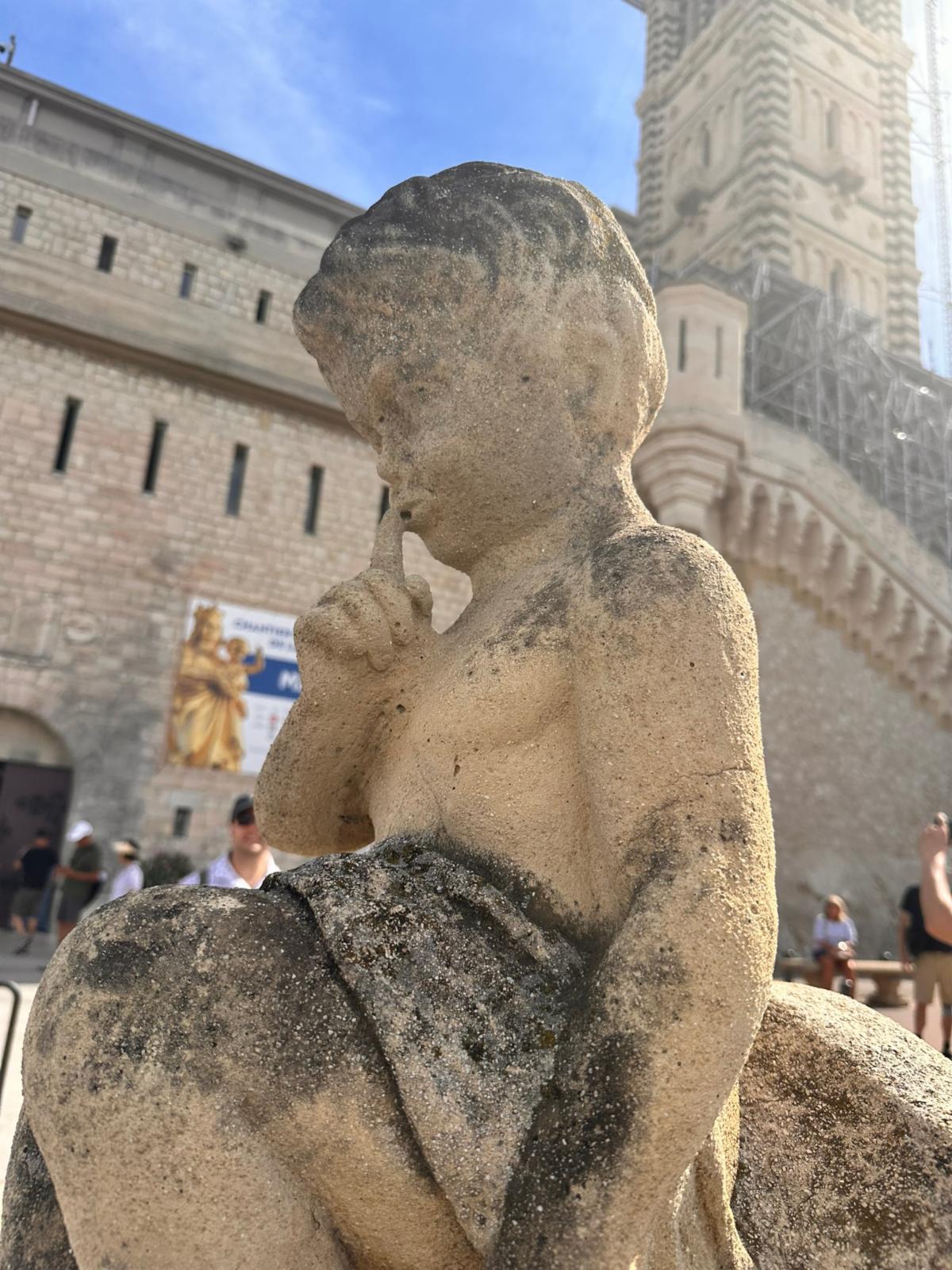
The city’s most notable attraction is the massive Notre-Dame-de-la-Garde Basilica, which we mentioned above. Below, you can see its awe-inspiring presence.
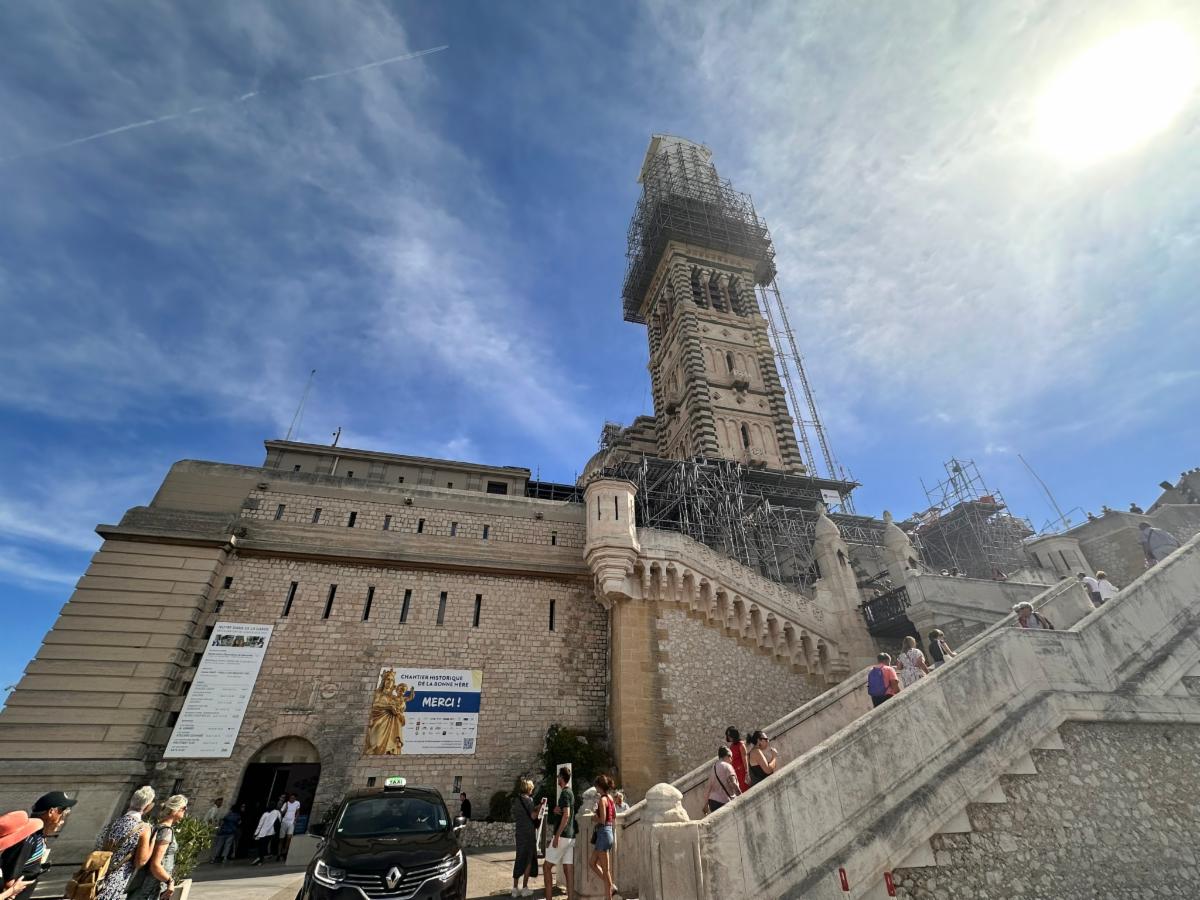
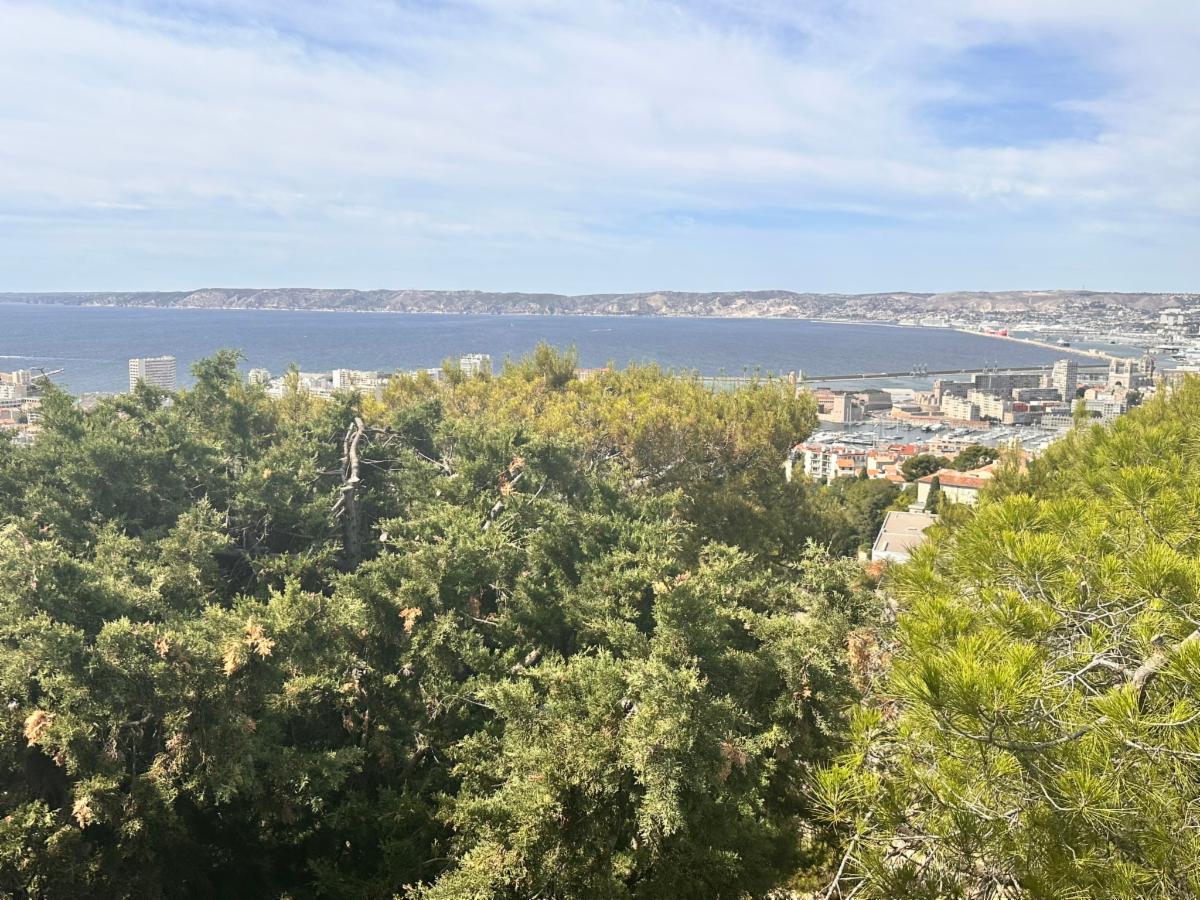
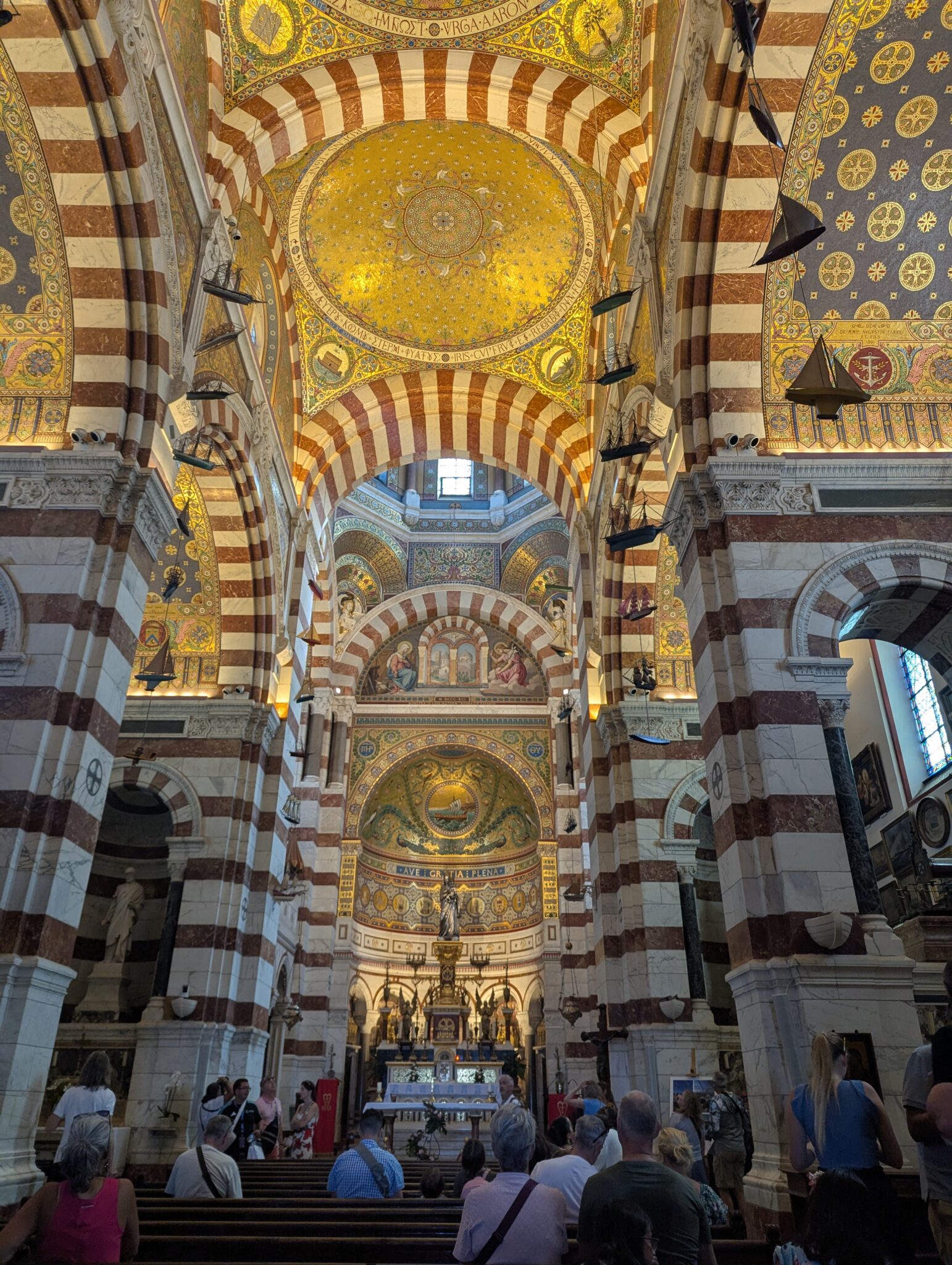
This massive structure overlooks the city and the ocean. Known to locals as Bonne Mère (the Good Mother), it is the city’s iconic symbol and a popular Assumption Day Pilgrimage. It is said that Notre-Dame watches over sailors, fishermen, and the local people. In other words, the basilica can be seen from every corner of the city and faces the Mediterranean sea from above. It is revered in a way by locals and visitors, and is the most visited monument in the city.
Francis I decided to build a fort in 1524 to protect Marseille from Charles V’s armies. It wasn’t until the Renaissance that the basilica was built however and it had three purposes: a look-out post, a military building, and a place of worship and pilgrimage. In the 19th century, the sanctuary was too small and this was when Monseigneur de Mazenod decided to expand, the result of which became Notre-Dame de la Garde (construction began in 1853). The basilica includes three bells, including an 8-tonne bourdon called Marie-Joséphine.
The view from the top (154 m) which provides an amazing panoramic of the city, as well as the islands and the ocean naturally. Apparently in the 15th century, a ruling from Charles II of Naples included it in the way station list.
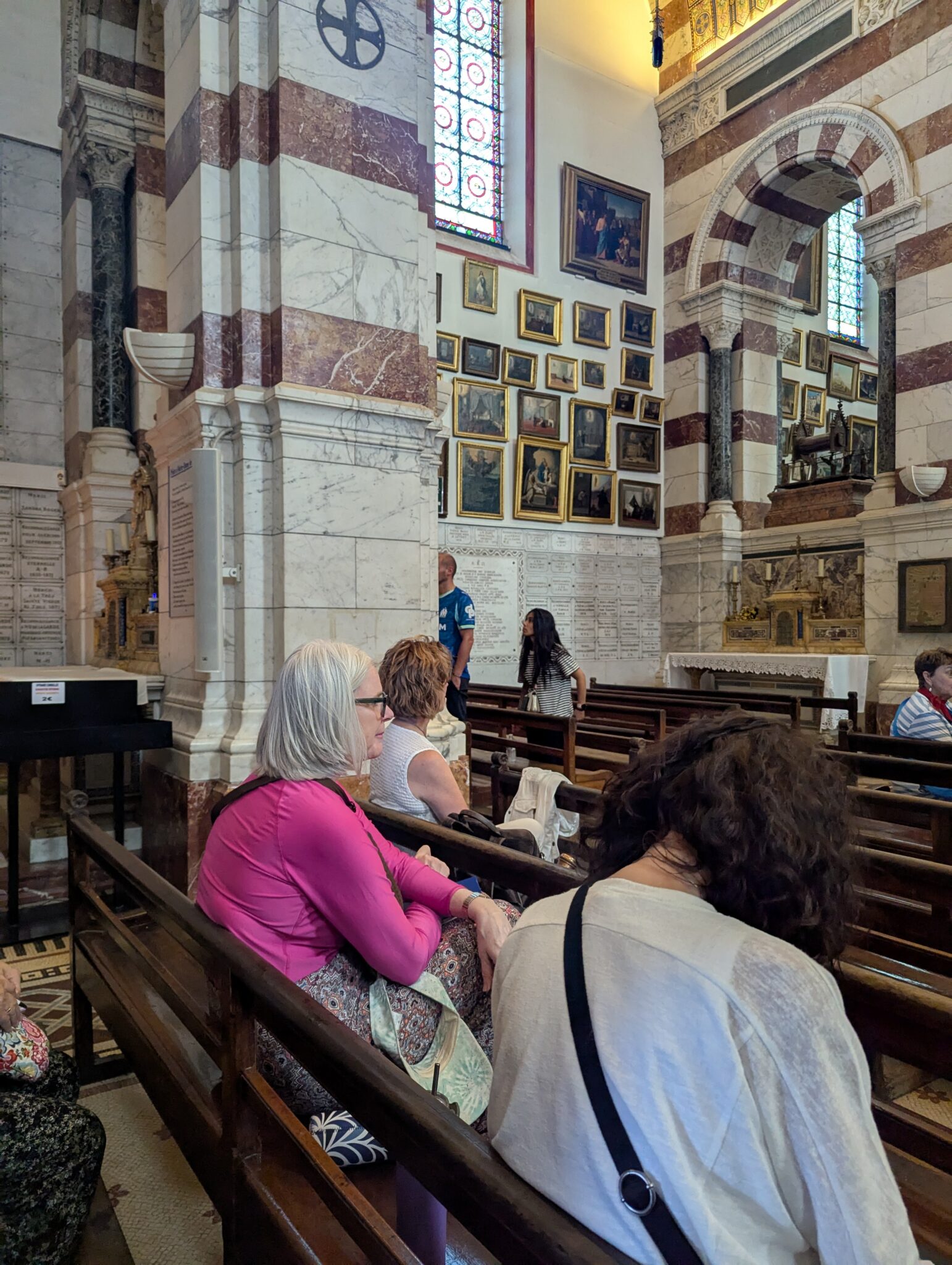
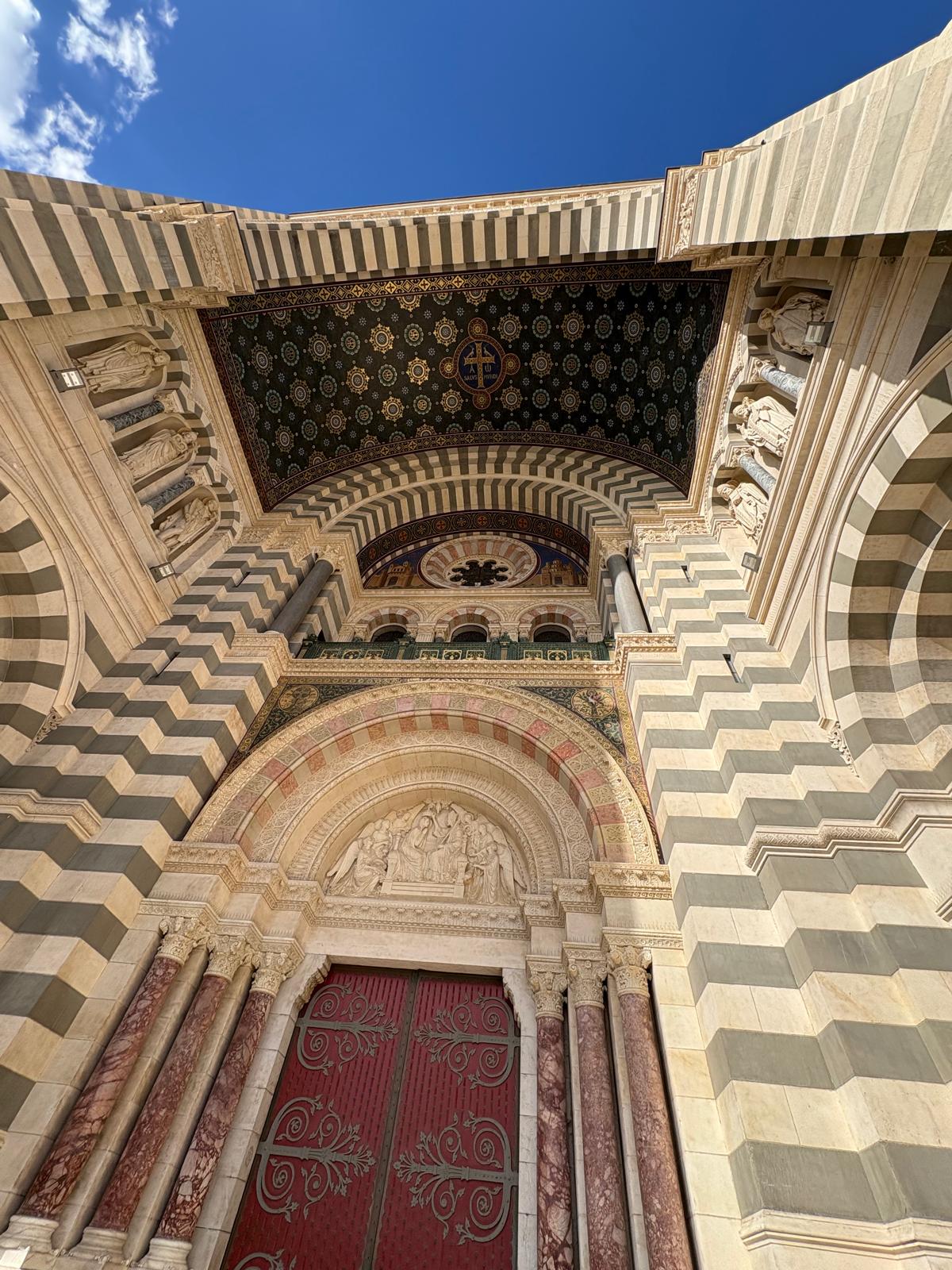
The basilica exudes Roman-Byzantine style (with domes, stones polychromy, golds, mosaics) and it comprises two sections: a lower church with an arched vault and a A higher church, the sanctuary, consecrated to the Virgin Mary (celebrated with a Pilgrimage on August 15).
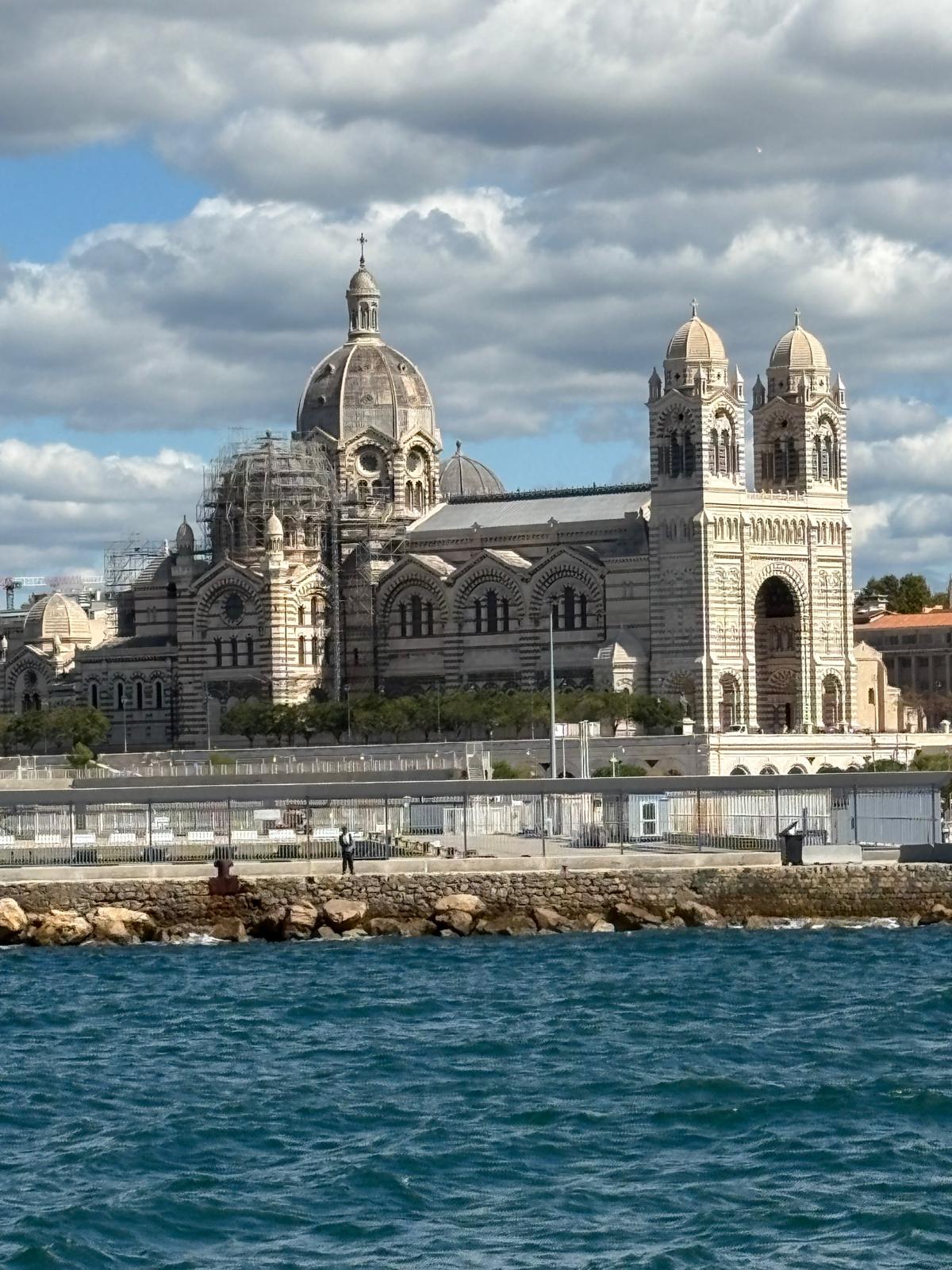
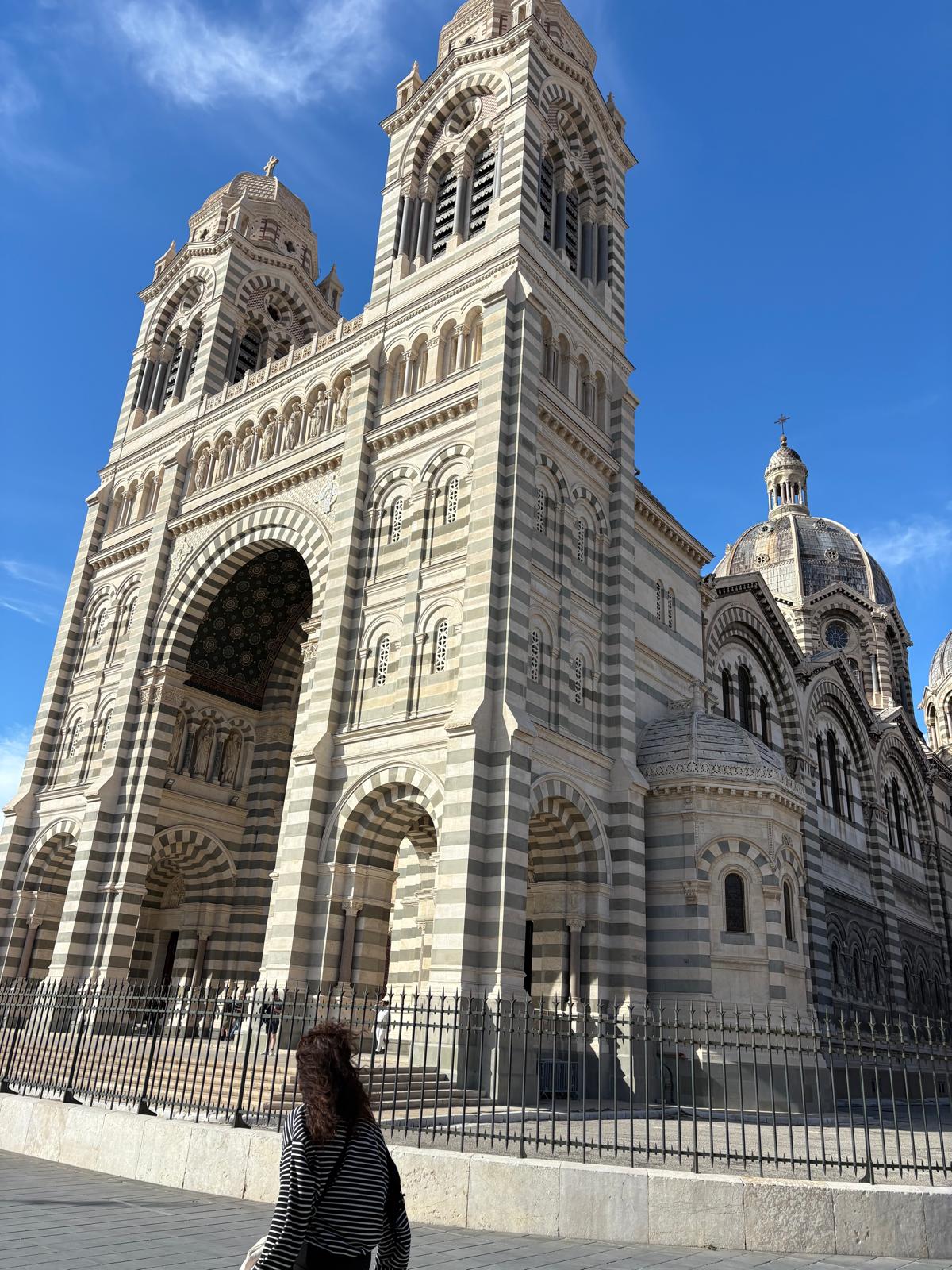
The Cathédrale La Major, a beautiful Romanesque-Byzantine structure.




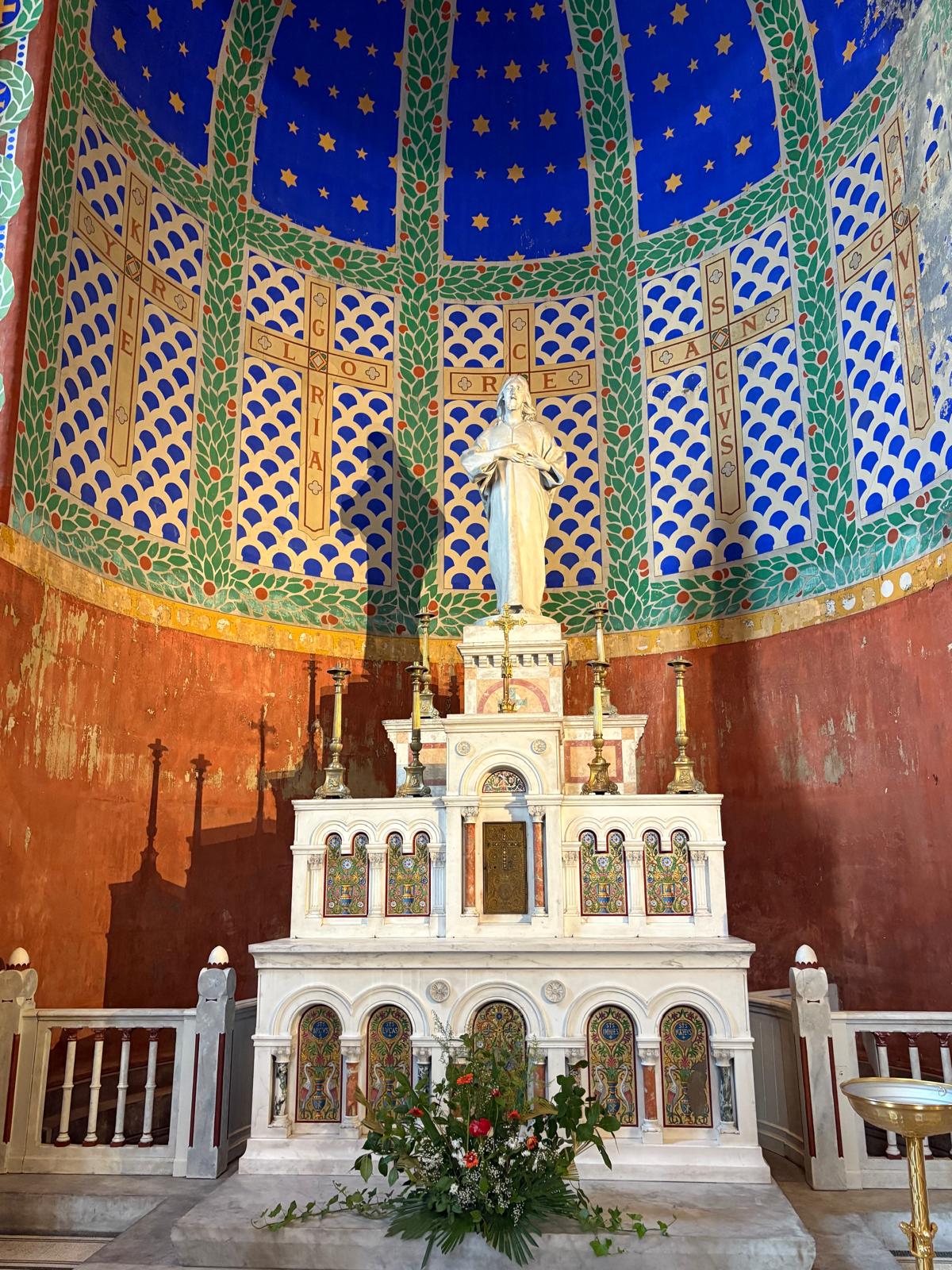
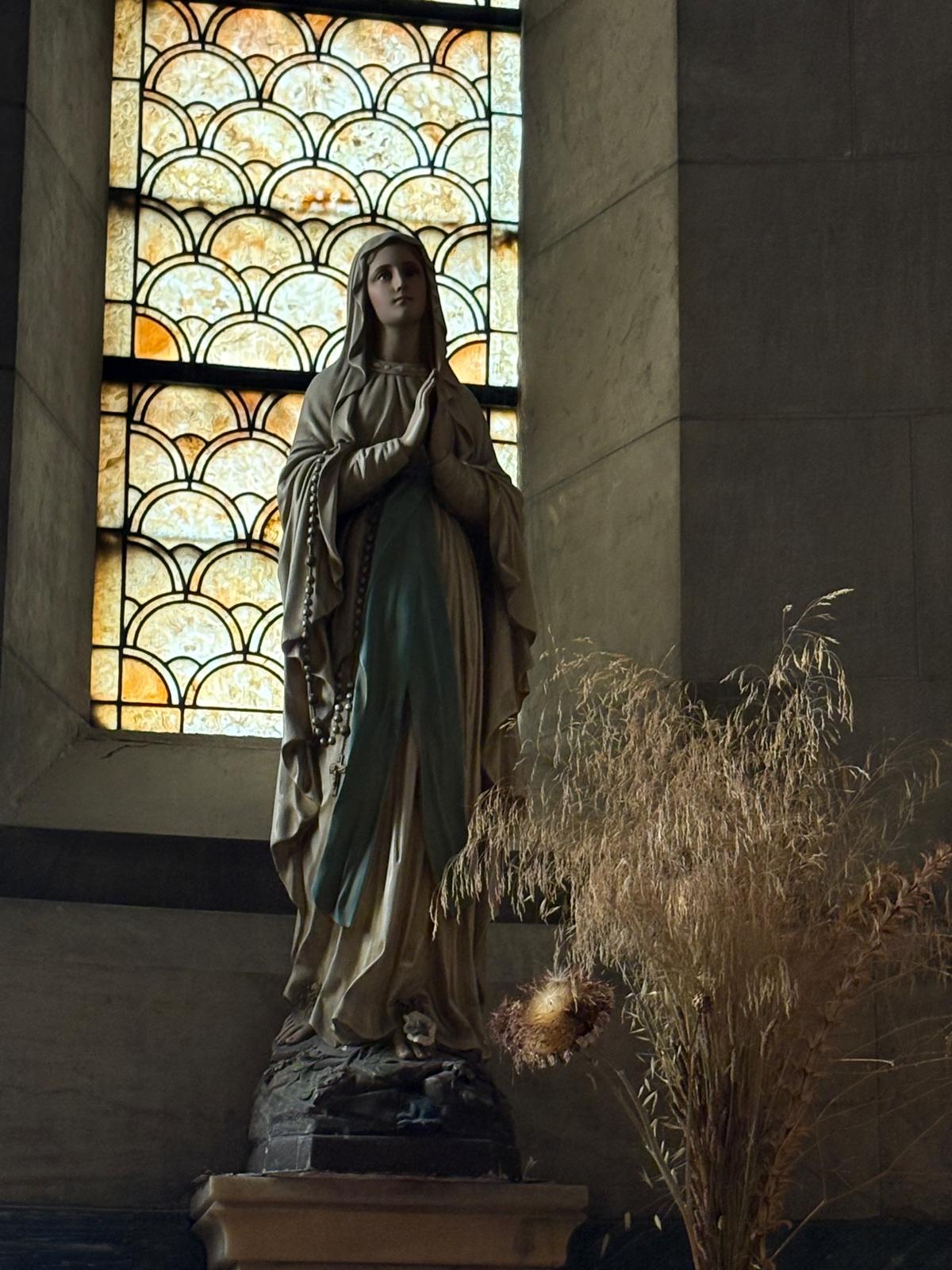

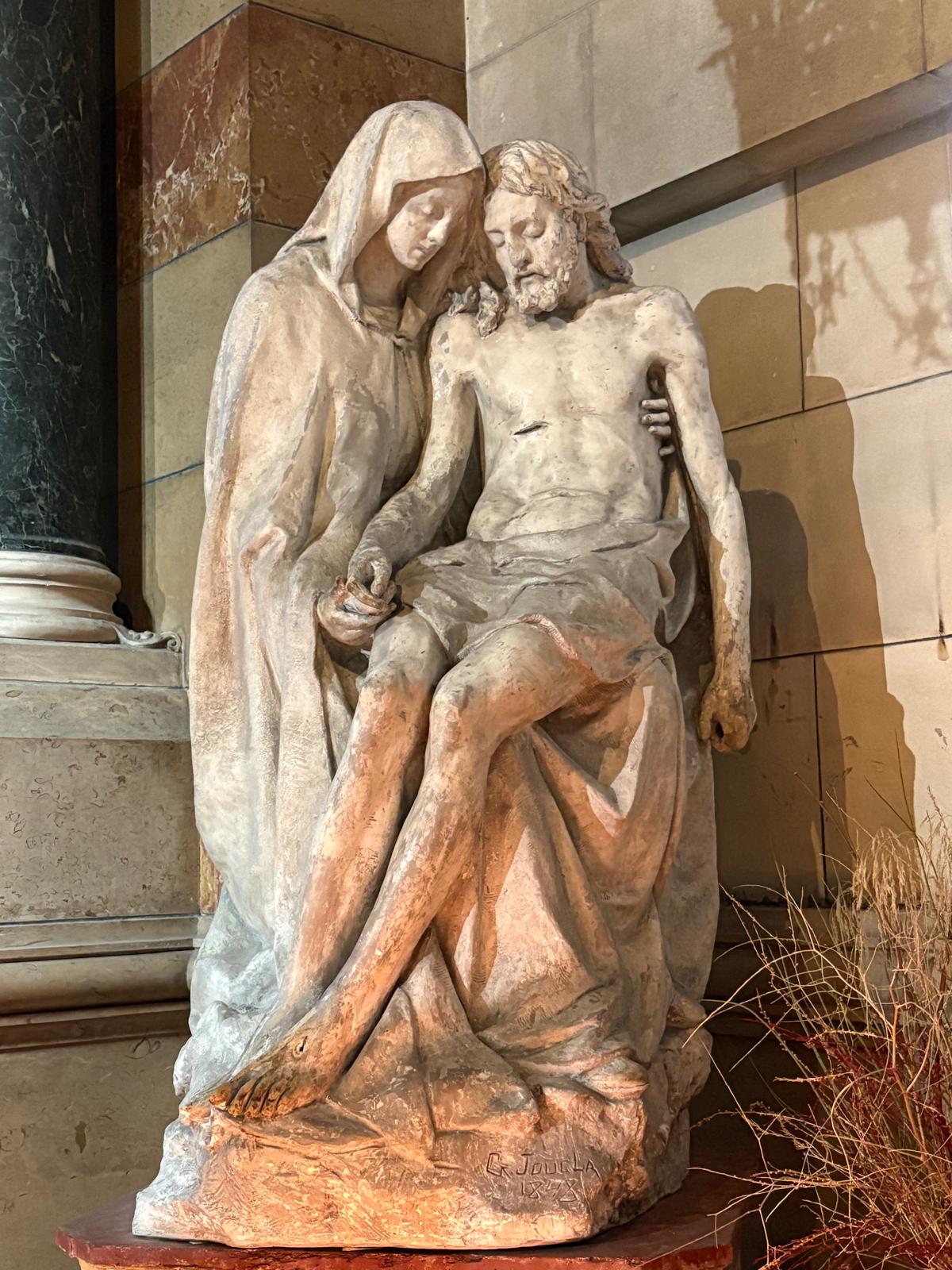
Not far from the Basilica is Abbaye Saint-Victor, a former abbey founded in the late Roman period. It is deeply mystical and an ancient site tied to early Christian and Magdalene traditions. The abbey’s sarcophagi are a jewel of early Christian art. It also has a crypt you can visit. Nearby is the Old Quarter and the old port adjacent to it: Vieux-Port.
People come from far and wide to eat bouillabaisse here, since Marseille is where this traditional Provençal fish soup originated. The word is originally a compound of the two Provençal verbs bouillir and baisser.
The incredible Marseille city pass is worth getting. It includes public transportation, a Notre-de-la-Garde tour, a panoramic bus tour, a boat crossing or entrance to Cosquer Méditerranée, admission to Château d’If, entrance to Mucem and Musée Regards de Provence, virtual 4D tour in a Mehari at the Maison Yellow Anise Museum and more. It also includes discounts and offers in stores and cultural venues as well.
As Michele and Charlene described of the city, it manages to feel ancient and alive all at once. The pass is a wonderful way to unlock the city’s layered history, vibrant street life and stunning seascapes.
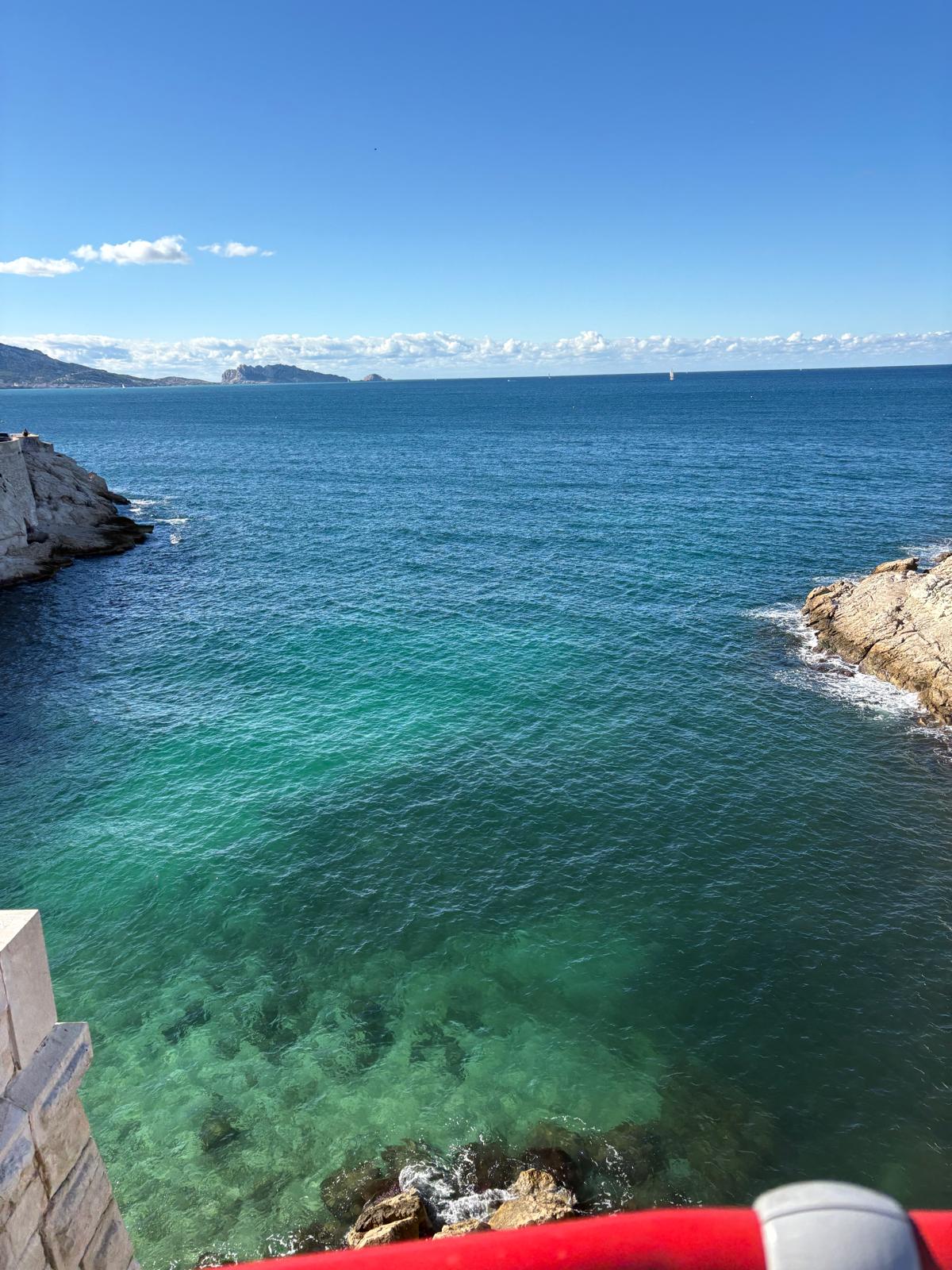
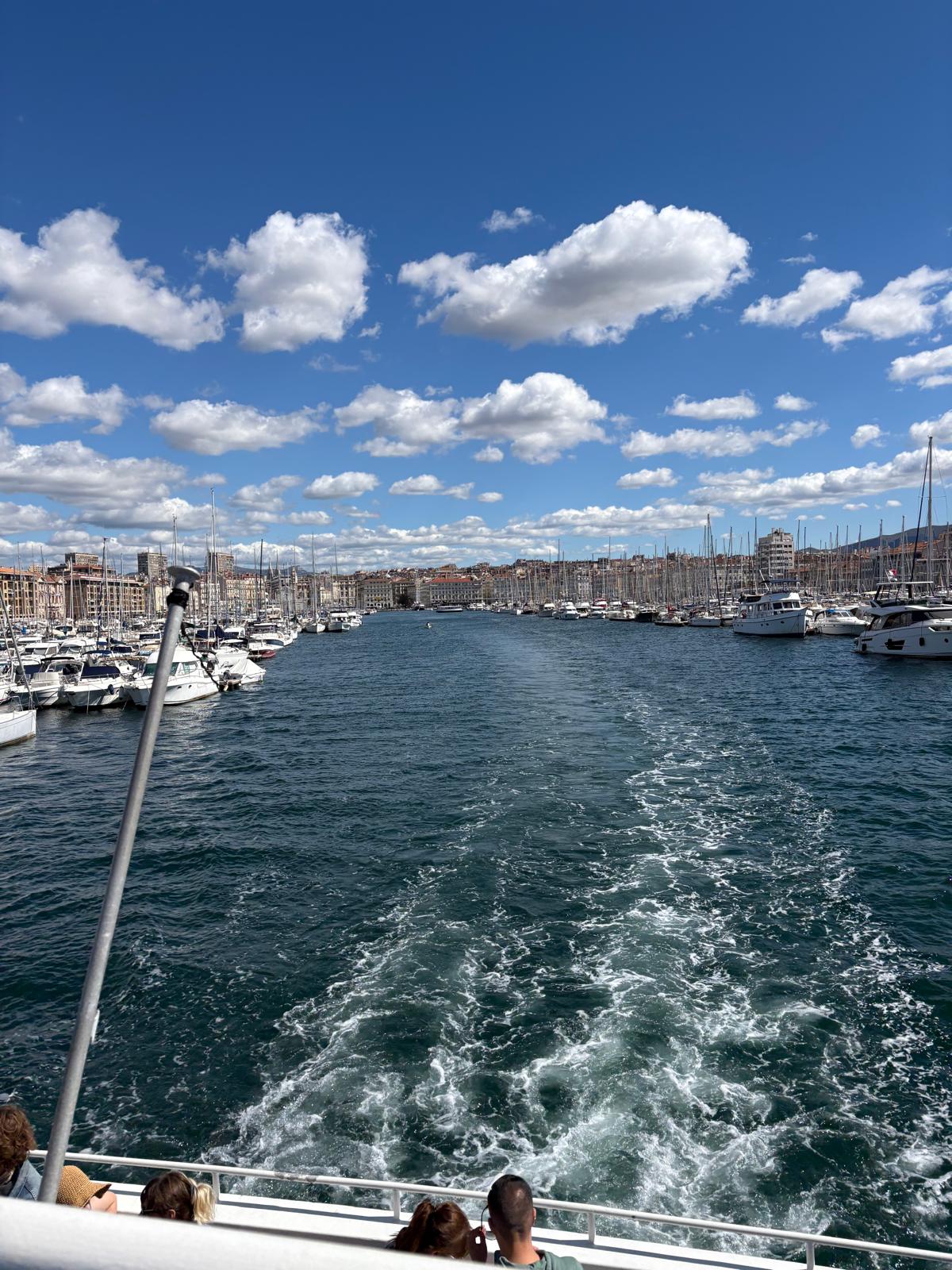
The Vieux-Port exudes all things old. Think fishing boats bobbing in the harbor, waterfront cafes and salty air. Taking a ferry to nearby islands is a fun way to spend the afternoon. (roughly 3.5 hours)

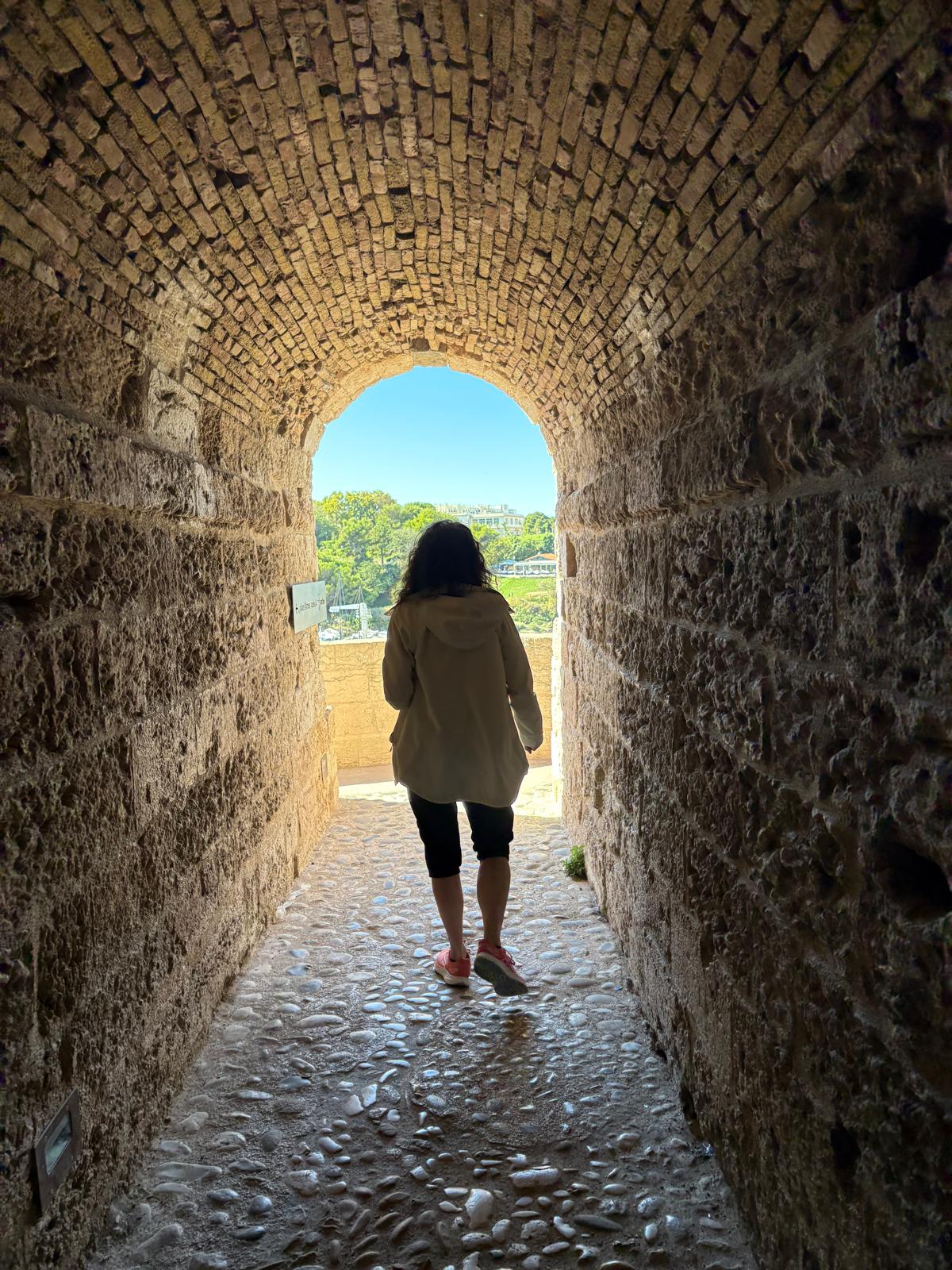
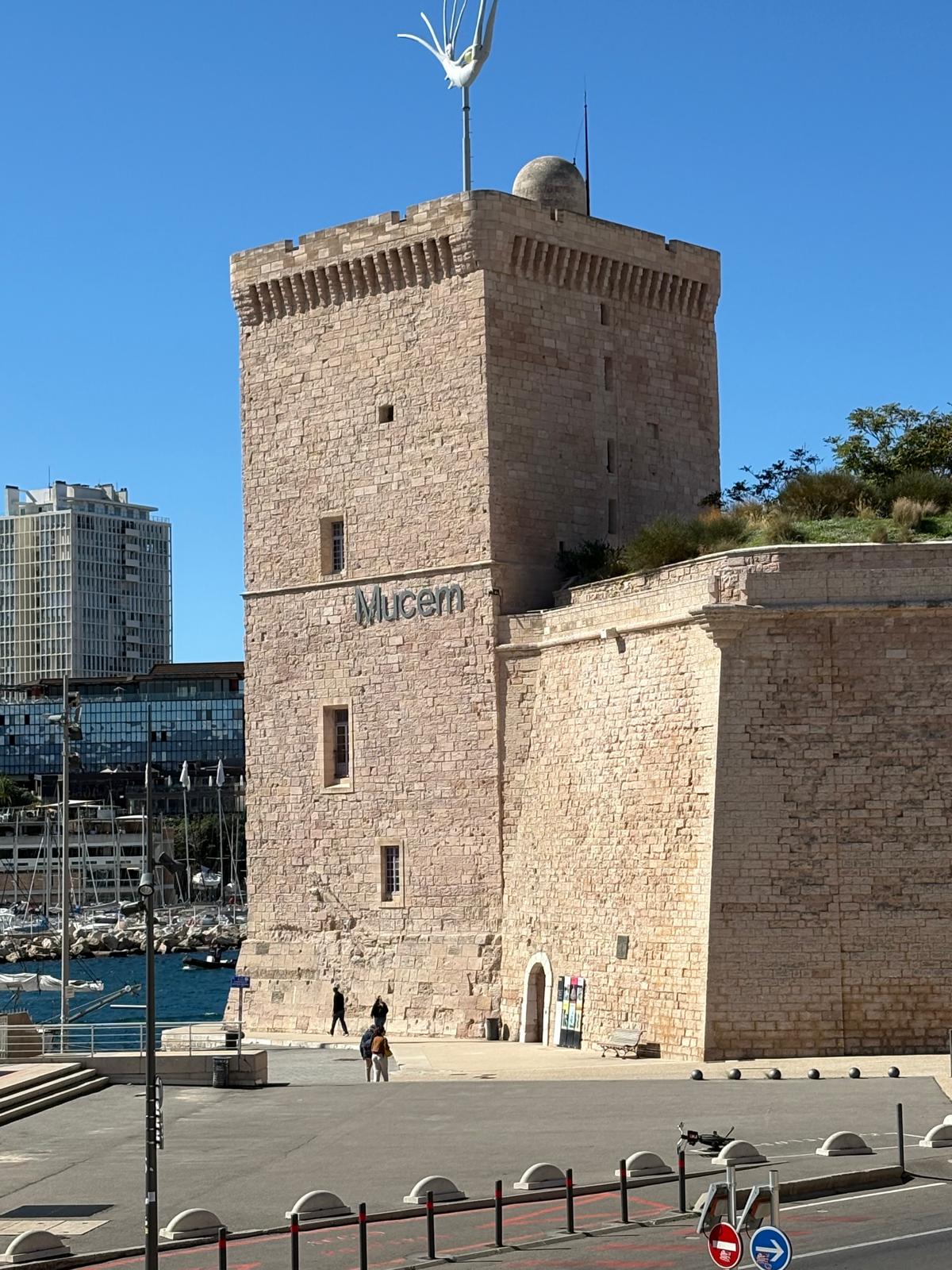
Another known site is the Fort Saint-Jean and its architecture as well as walking around Old Town where there are plenty of shops, cafes and restaurants. Marseille has no shortage of cultural activities and museums as well, where you can take in even more history.


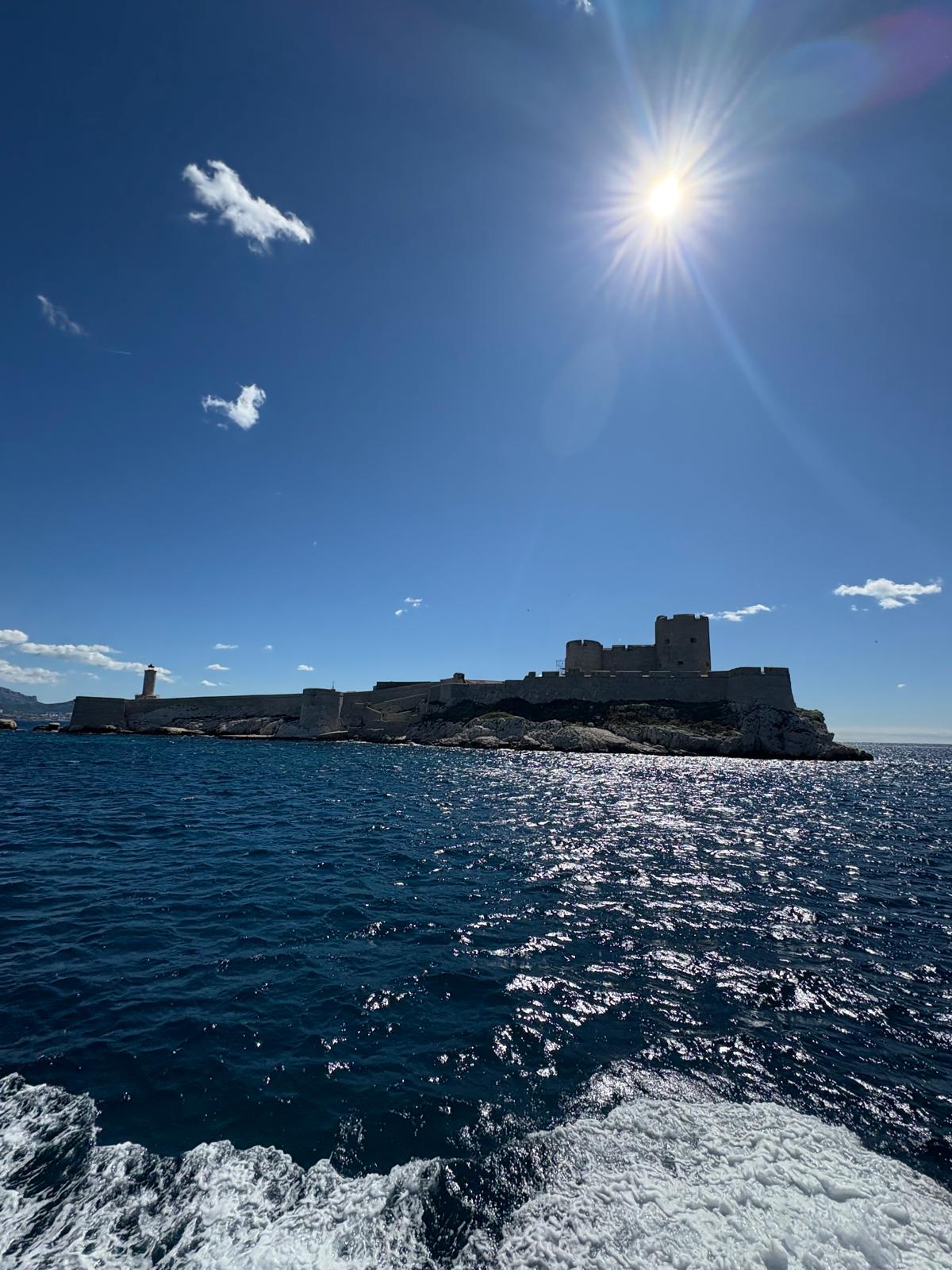
And let’s not forget the renowned Museum of European and Mediterranean Civilizations (MuCem), which is a world-class museum located at the entrance to the Old Port.

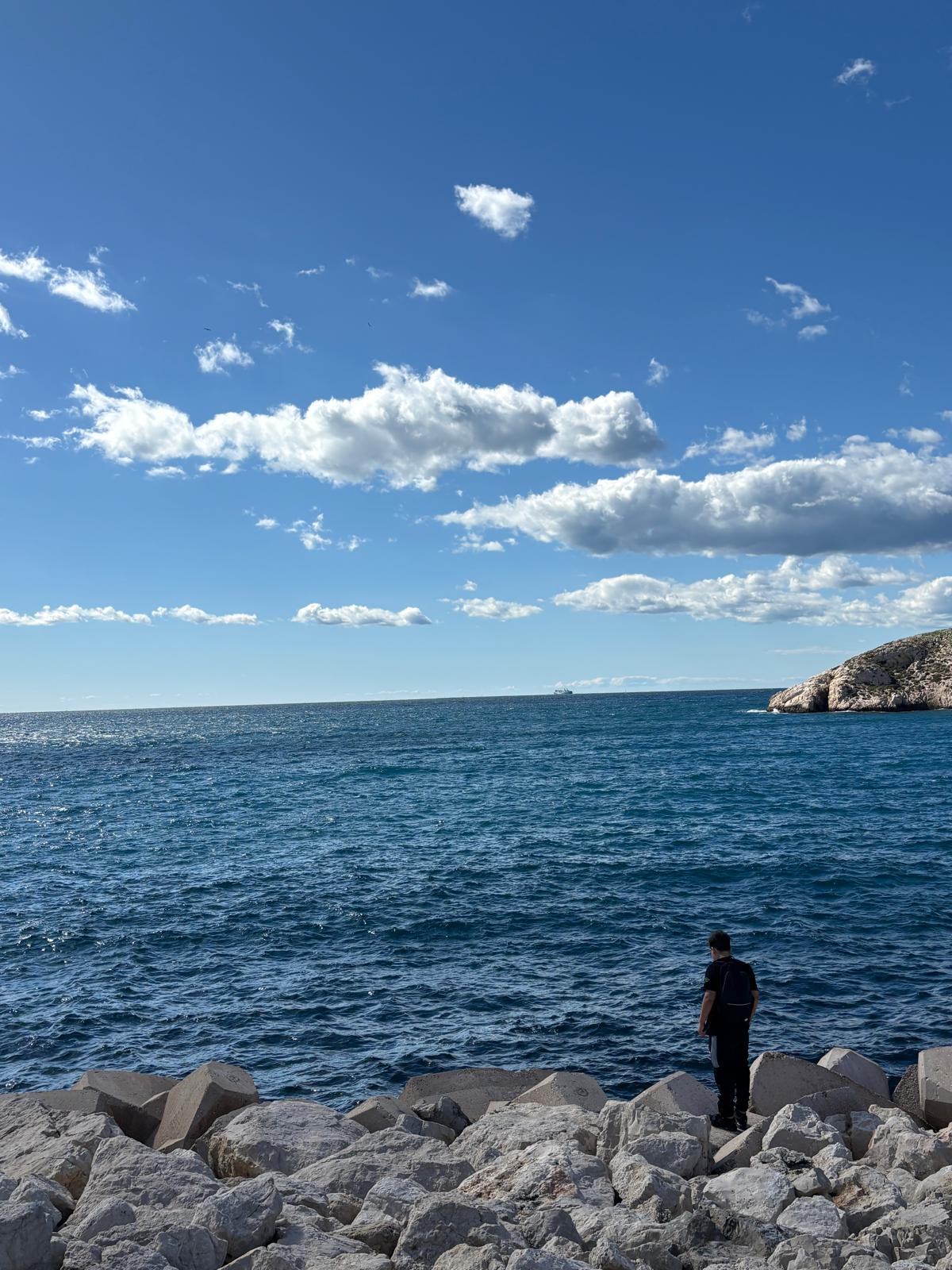
It’s wonderful to walk around the city as well without a plan.

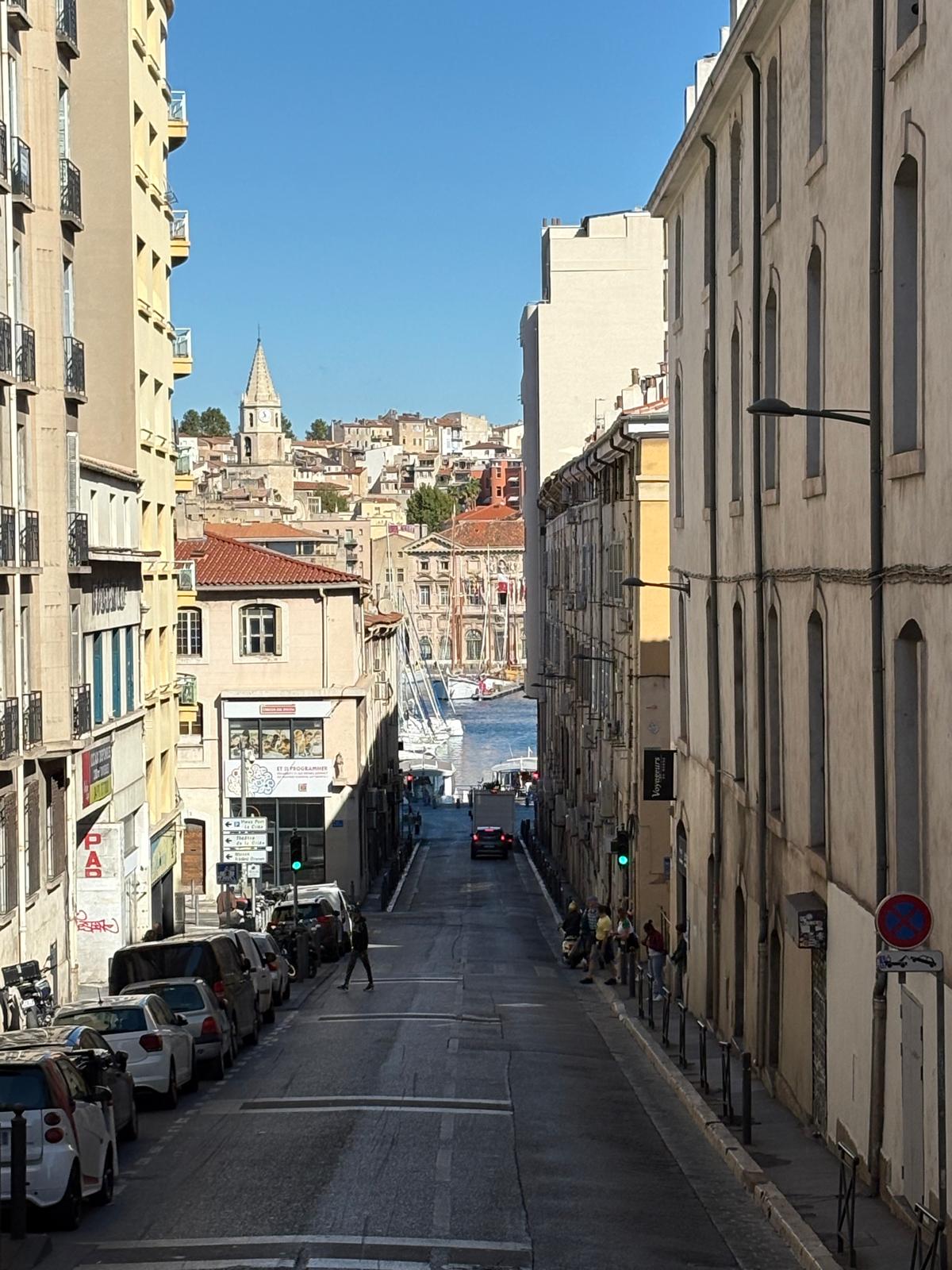
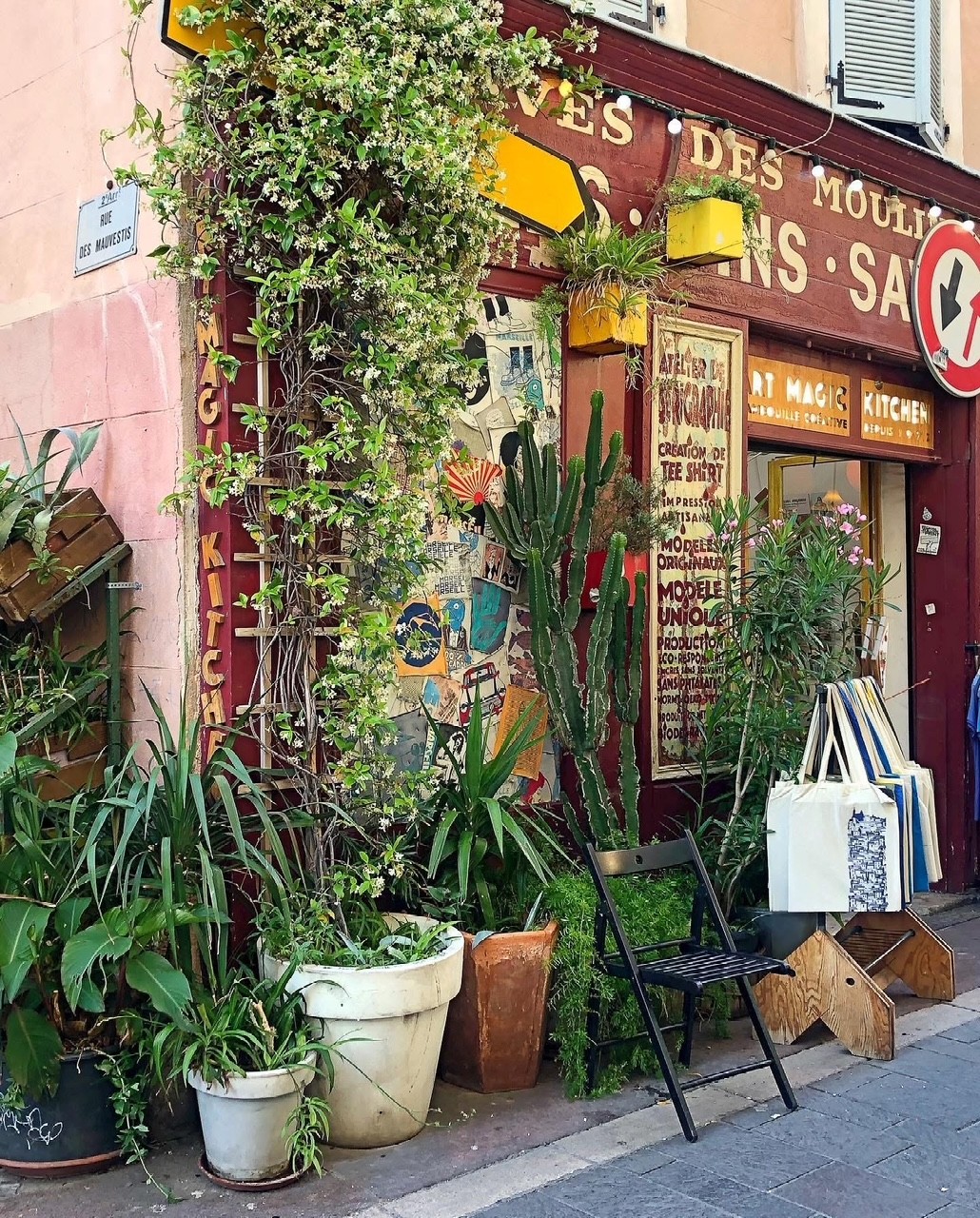
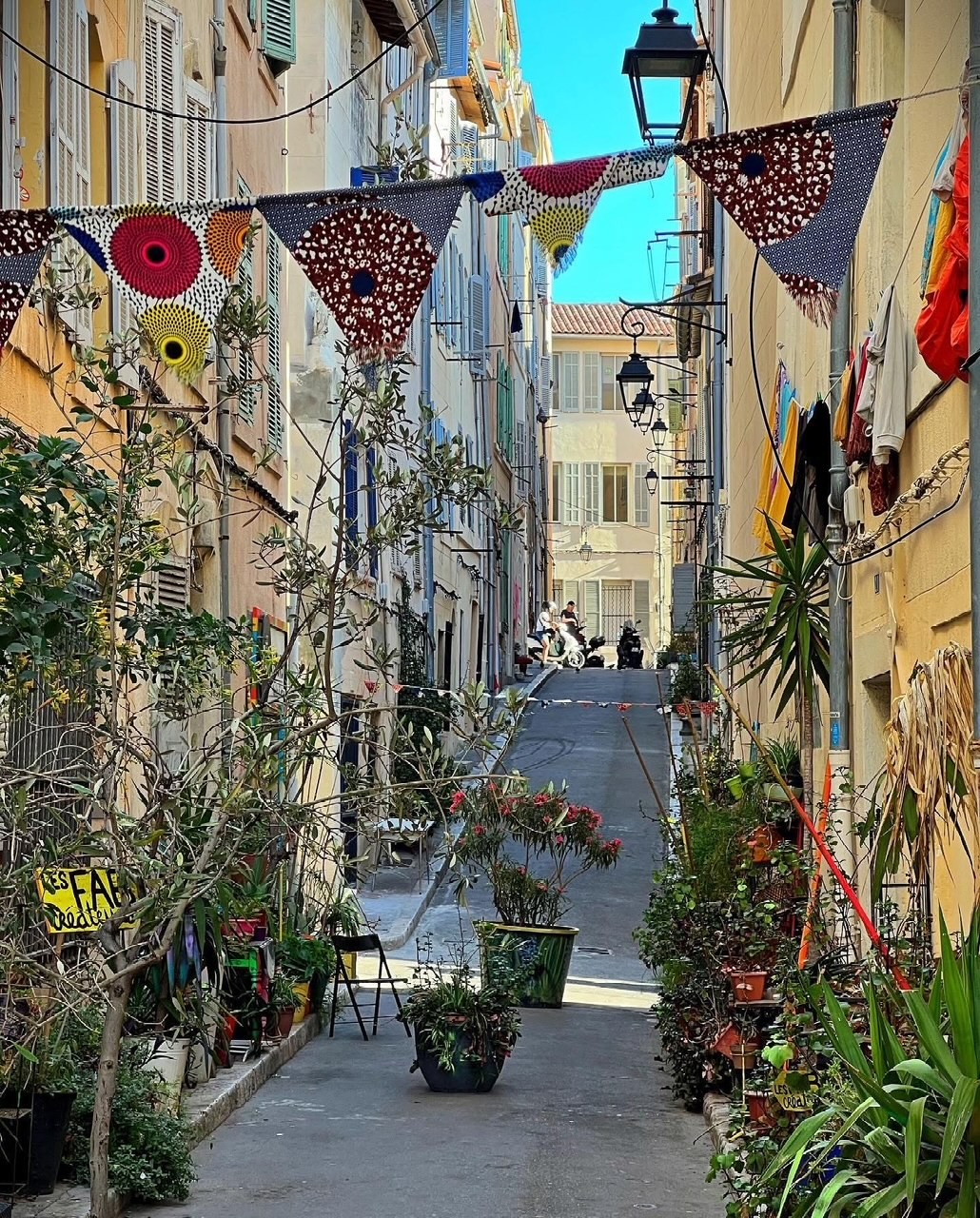
It’s worth walking around Le Panier, which is Marseille’s oldest district, with narrow streets, street art, murals and a super cool vibe. Restaurants around Place des Pistoles offer alfresco meals in front of La Vieille Charité, a 1600s almshouse with museums and a poetry center.
Dining
Bouillabaisse is the culinary prize here since this famous stew originated in Marseille. Although Old Town can be a bit pricier than other parts of the city, the ambiance is worth it. A few call-outs to taste bouillabaisse include Le Resto Provençal, L’Hippocampe, Chez Michel, La Nautique, Abaco and Chez Fonfon. Other culinary specialties include Pastis, an anise-flavored liquor, which you can find everywhere.
Our friends swear by Peron on 56 Cor Président John Fitzgerald Kennedy, especially for their bouillabaisse.

Peron for bouillabaisse in Marseille
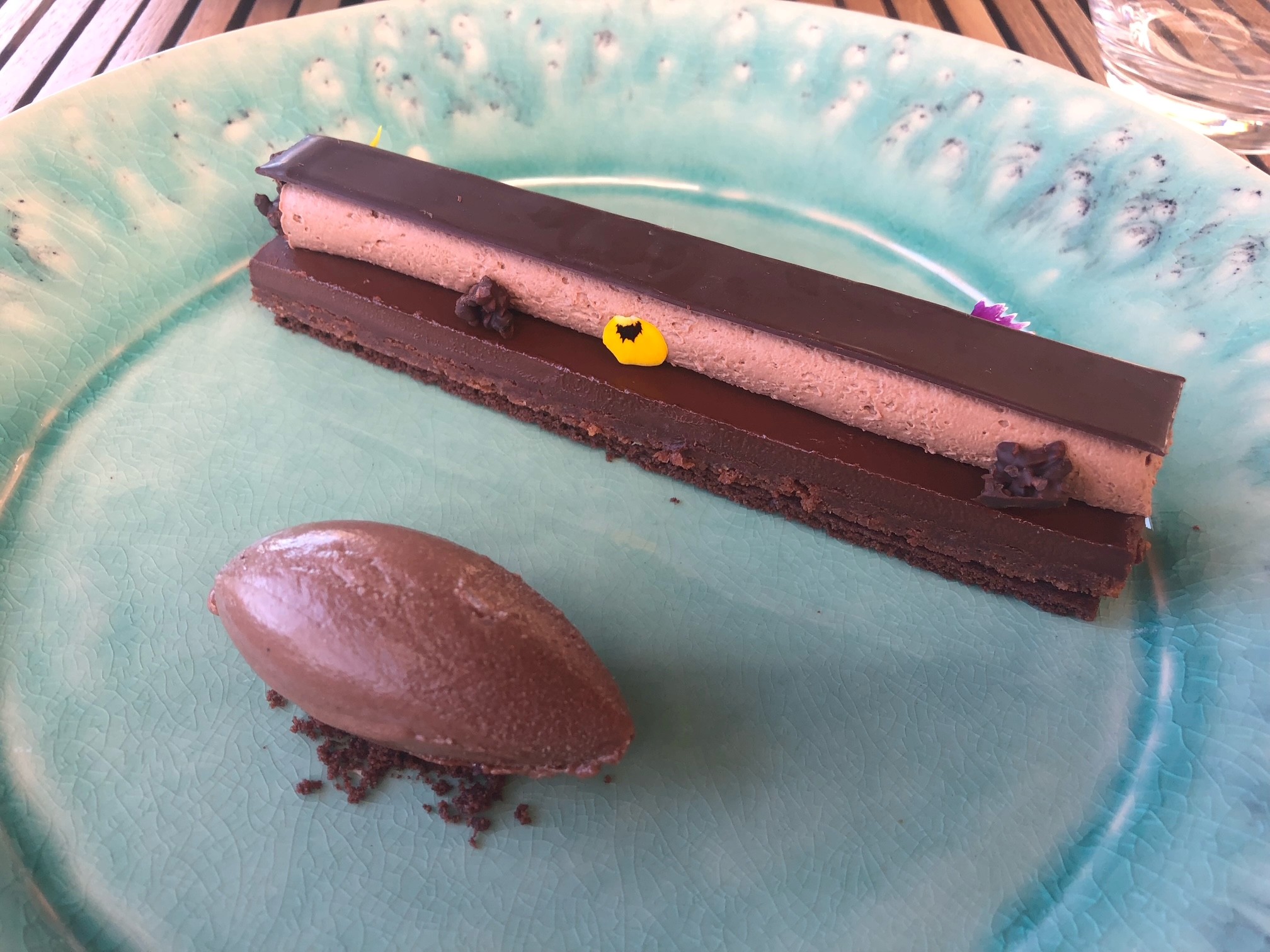
Below are some of the desserts at Peron, equally delish.


Another great option is La Daurade, pictured below. It offers great old world ambiance, both inside and out. They are known for their traditional Provençal-style bouillabaisse soup, mussels and fish in a formal, old-world dining room or you can also dine outside. It is located on 8 Rue Fortia in Marseille and is known for their creative cocktails as well.

La Daurade in Marseille
We look forward to returning to Marseille when we have even more time to explore the wonders of this magnificent French city by the sea. Be sure to check out our France section for more great recommendations from our recent trip to Provence. For foodies, check out michelin-rated restaurants in Marseille when doing your travel planning.
Thanks to my friend Michele Ketzmerick for providing some of her photos for this article.

Renee Blodgett is the Founder and Managing Editor of We Blog the World, a global travel, culture and lifestyle publication exploring the world through the lens of meaningful experiences, human connection and cultural depth. Having lived in 10 countries and traveled to 95, Renee has spent much of her life immersed in the people, traditions, landscapes and ideas that shape how we experience the world.
Since launching We Blog the World in 2007, she has written and produced extensive editorial coverage spanning boutique and luxury travel, culinary experiences, arts and culture, wellness, adventure, technology, spiritual traditions and transformative travel. Her work is rooted in the belief that travel is about more than where we go—it is also about what a place, culture or encounter awakens within us.
Renee brings more than three decades of experience across journalism, photography, media, brand strategy, technology, wellness and global storytelling. She has worked with companies and organizations around the world on brand positioning, communications, product launches, media strategy, speaker positioning and storytelling. Through Blue Soul Media, she works with authors, entrepreneurs, thought leaders and purpose-driven brands to clarify their message and expand their impact, which includes speaker coaching/training for high-profile stages such as TED and bringing authors’ work to market while retaining authors rights.
She is also the co-founder of Blue Soul Earth, an educational platform exploring consciousness, ancient wisdom, spirituality, healing and the intersection between science and the nature of reality. Renee is the producer and host of the award-winning Blue Soul CHATS, a conversational series bringing together leading voices in science, technology, consciousness, wellness and spirituality.
Her growing body of work also includes Blue Soul Living, which extends her interest in consciousness and well-being into the spaces we inhabit, exploring how intentional design, energy and environment can support greater harmony and connection.
Renee is the award-winning co-author of the bestselling Magdalene’s Journey and founder of the Magdalene Collection, inspired by women’s voices, stories and wisdom across cultures and generations.
A longtime photographer and storyteller, Renee has documented people, places and cultures around the world and produced photographic collections focused on destinations including the Galápagos Islands, London, South Africa, Rome and Ecuador. She also co-founded Traveling Geeks, an international initiative that brought entrepreneurs, journalists, creators and technology leaders together with their counterparts in other countries to exchange ideas and explore innovation across cultures.
Renee’s work has been recognized by Forbes, the United Nations and others for her influence in media and social storytelling. Across her work in travel, media, consciousness and culture, a common thread remains: curiosity about the world, the stories that connect us and the ways meaningful experiences can change how we see ourselves and one another.