International Women’s Day was celebrated on March 8, a celebration of the Divine Feminine and Her magic . . . the Divine Mother.
Across cultures and centuries, the image of the Divine Mother rises again and again—not as a relic of mythology, but as a living intuition within the human soul. She is not merely a figure to be worshipped, but a presence to be remembered. Before language divided the world into subjects and objects, before belief systems created divisions, there was a felt sense of life as something that holds, nourishes, and births itself continuously. This is the essence of the Mother: not separate from creation, but the very field in which all creation appears.
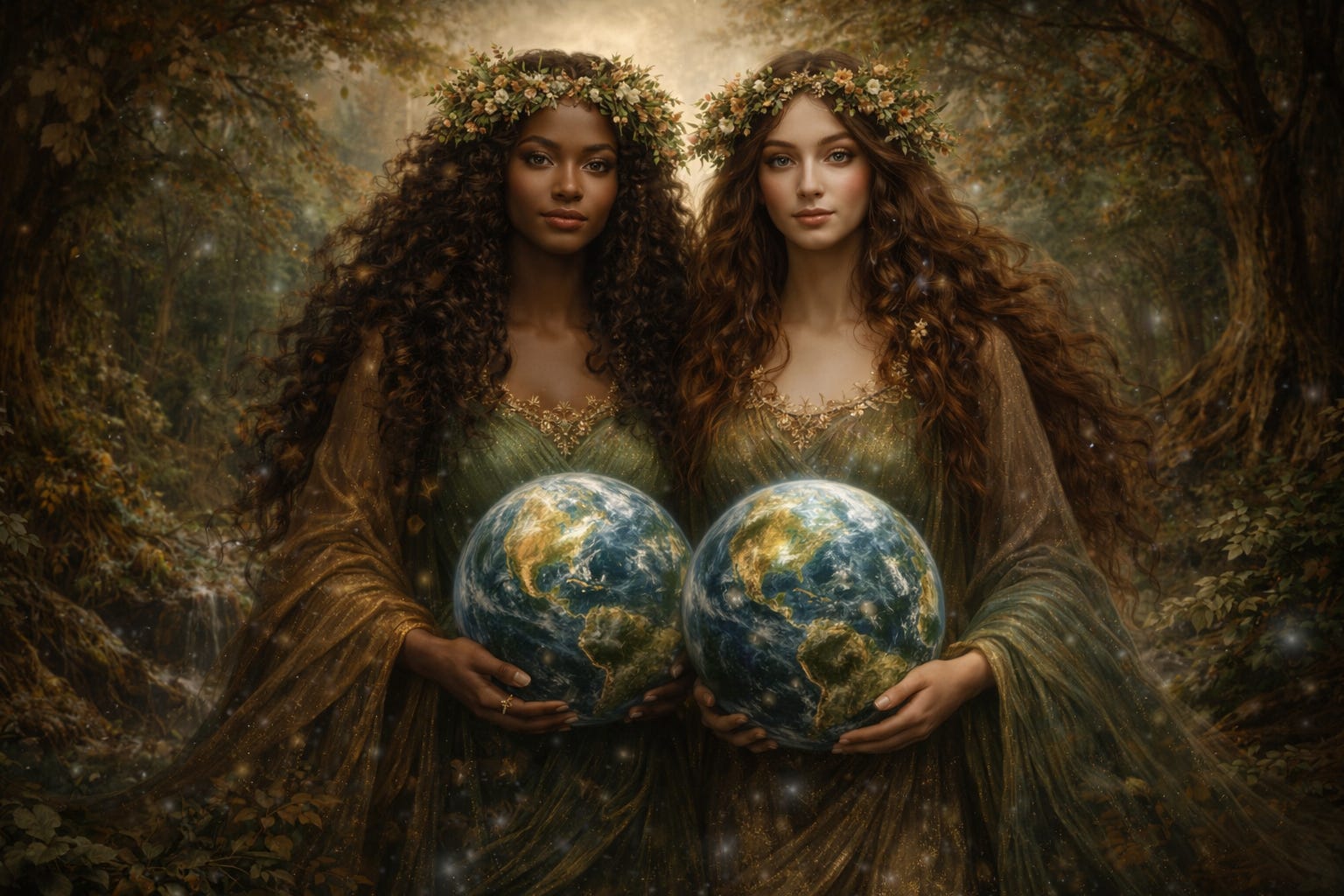
We speak of the Earth as feminine not only because she gives life, but because she embodies a deeper principle of being—one that receives, transforms, and sustains. The ancient name Gaia doesn’t simply refer to a Goddess among others, but to the living intelligence of the Earth itself. To call the planet “Mother” isn’t a metaphor alone; it is recognition and even an innate remembrance buried deep within us, regardless of what sexual orientation we most identify with. Every breath, every cell, every drop of water in our bodies has passed through her vast and patient cycles. She is not beneath us. She is not outside us. She is the ground of our becoming.
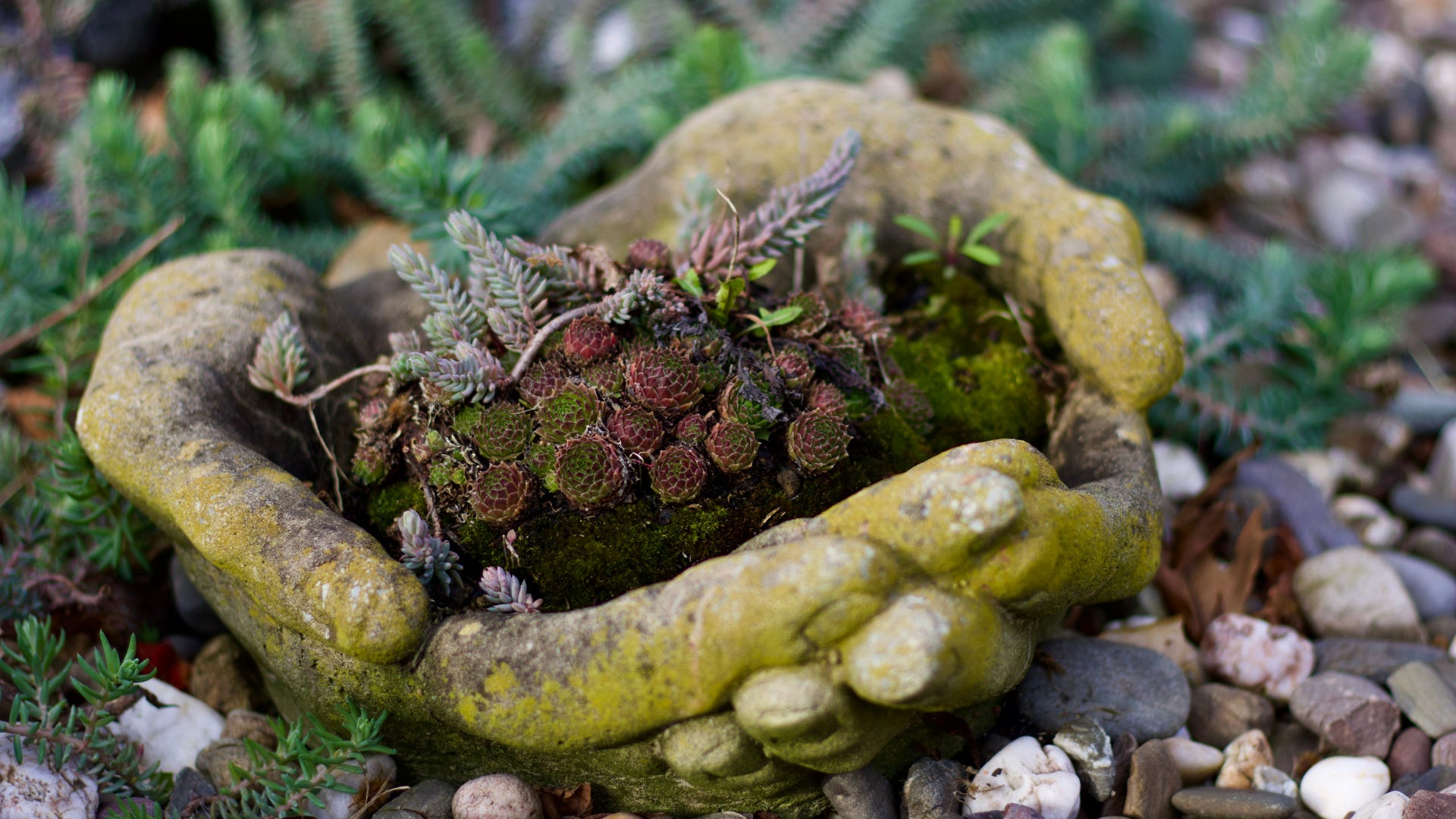
In a non-dual understanding, the Divine Mother is not separate from the Divine Father, nor from the Source beyond all naming. She is the aspect of the One that expresses as form, as matter, as the tangible world we can touch and taste. Where the unmanifest becomes manifest, where the invisible takes shape—there she is. Not as the “other,” but as the unfolding of the same indivisible reality. To honor her is to honor the sacredness of embodiment itself, to see that spirit has never been absent from matter.
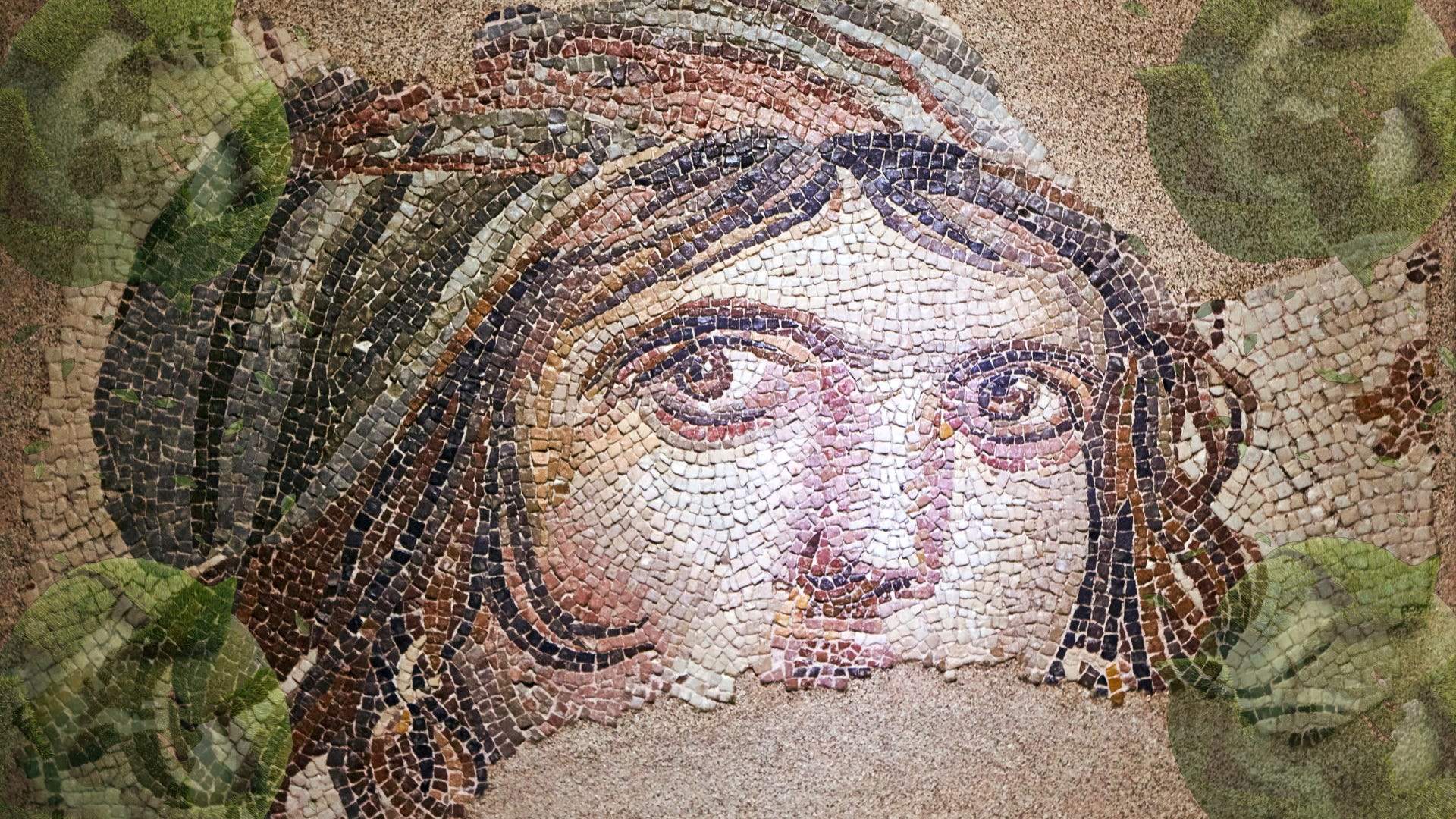
This is why, btw, Anthony and I focus so much on the importance of embodiment in our teachings, for with embodiment, you have a felt-sense of knowing something deep in your bones. You can feel it in your being, your soul.
From a Gnostic perspective, this presence finds a powerful echo in Sophia, the embodiment of divine wisdom who descends into the material world. Her story has often been interpreted as a fall, but it can also be seen as a profound act of participation: the divine entering into its own creation, not as punishment, but as intimacy. Sophia never abandons the world, since She becomes woven into it, hidden within it, awaiting recognition. In this sense, the Divine Mother isn’t lost but veiled within every aspect of existence, including within us.
This remembering has never been easy to carry. Throughout history, those who have spoken from this deeper knowing—especially women—have often stood at the edge of acceptance. Hypatia, a brilliant thinker in ancient Alexandria, lived and taught a philosophy that honored both reason and the sacred nature of existence. Her life was taken by those who feared what her voice represented. Joan of Arc, guided by an inner certainty she could not deny, followed her truth even when it led her to the stake. Harriet Tubman moved through unimaginable danger, guided by an inner knowing she described as divine, leading others to freedom.
Rosa Parks didn’t raise her voice in anger, yet her stillness carried the weight of generations. In choosing not to surrender her seat, she revealed a deeper truth—that dignity is not granted by systems but lived from within. An innate knowing that you must speak up and out for equality, freedom and belonging. Her act became more than resistance; it was a moment of alignment with something timeless, a reminder that courage doesn’t always roar. In her refusal on that pivotal day, her decision awakened humanity’s conscience. Perhaps not for everyone, but enough to ignite something deep within us and of course, her resolve shaped history.
Jane Goodall stepped into the forests and chose to listen rather than dominate. She redefined our understanding of intelligence, connection, and kinship by recognizing the profound emotional lives of animals. In doing so, she softened the boundary we had drawn between ourselves and the natural world. Her work is a living expression of the Divine Mother’s wisdom—an honoring of life not as hierarchy, but as relationship. Through her presence, we are reminded that reverence is a form of knowledge, and that to truly see another being is an act of quiet transformation.
Having personally walked through the same forests in Uganda where she undertook some of her work, I was blown away when I came face-to-face with the gorillas in the region. BTW, this was not some official tour, but three of us (strangers before we set off) were guided by a local who led us to spaces where we could see, hear and feel their presence. I had stepped into the landscape of Gorillas in the Mist and was forever changed, just as she was and shared with the world one word at a time.
And then there was Mary Magdalene, whose story has moved through centuries both obscured and rediscovered. Often misunderstood, she is now being remembered by many as a bearer of deep spiritual insight, a woman who stood close to the heart of sacred mystery. In some traditions, she represents the union of devotion and wisdom—the capacity to know through love rather than through authority alone. Her legacy invites us to reconsider the voices that history has softened or silenced, and to recognize that truth has always found ways to endure, carried into the hearts of those willing to live it. History through her eyes and ears was the foundation of our award-winning book Magdalene’s Journey.
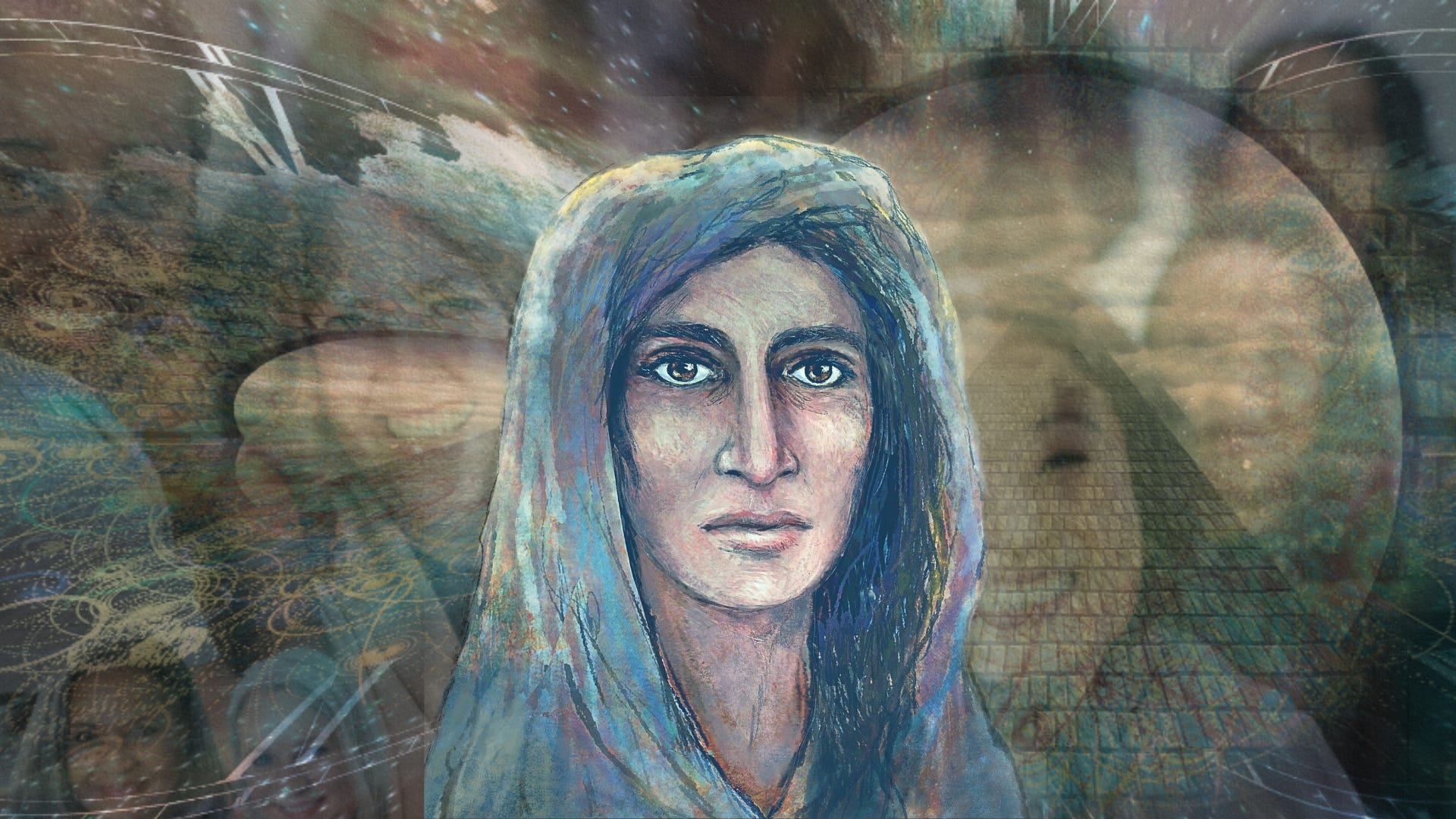
And then there was Simone Weil, who spoke of attention and presence as sacred acts, even as her insights placed her outside the comfort of established norms.
These women did not merely challenge external systems; they embodied a deeper remembrance of truth that could not be contained. In their courage, we see an expression of the Divine Mother—not as gentleness alone, but as fierce clarity, as unwavering devotion to what is real. The Mother is not only the one who nurtures; she is also the one who births transformation, who breaks open what has become rigid, who insists that truth be lived, not merely believed.
To awaken to the Divine Mother, then, is not to adopt a new belief, but to soften into a recognition that has always been present. It is to feel the intelligence moving through the body, the quiet wisdom in the rhythms of nature, the subtle knowing that life is not happening to us, but as us. It is to see that what we call “Earth,” “Gaia,” or “Sophia” is not separate from the awareness of reading these words right now.
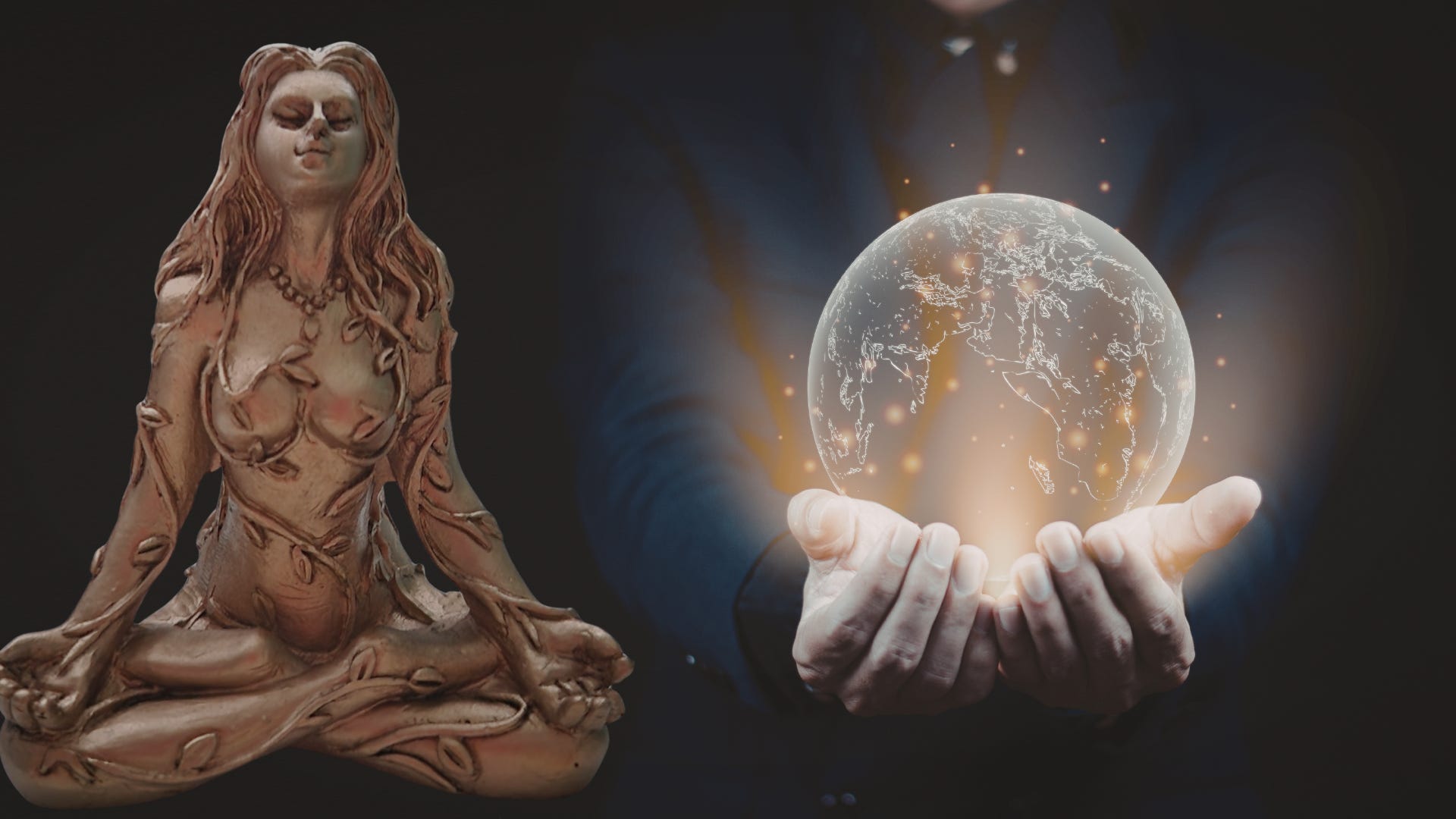
And in that recognition, something shifts with us, for we suddenly realize that we no longer need to search out there for answers. The distance between seeker and sought grows thin. We begin to sense that the same presence that births galaxies is breathing through our lungs, that the same intelligence that shapes mountains is alive in our own awareness. The Mother is no longer an idea or an archetype—she is the living reality of oneness itself, endlessly creating, endlessly holding, endlessly becoming.
Let this understanding not remain only as insight, but become something lived. Take a moment to honor the women who have shaped your life—the ones who nurtured you, challenged you, stood beside you, or quietly held space for your becoming. Speak their names. Thank them, if you can. Remember them, if they are no longer here. And extend that same reverence to the subtle feminine presence within yourself—the part that listens, feels, creates, and knows without needing to prove.
The rise of the Divine Mother isn’t a return to the past, but a re-remembering that calls us forward. And as we answer it, even in the smallest ways, we participate in the quiet rebalancing of the world—where wisdom and compassion, strength and tenderness, once again move as one.
What are some of the ways you have felt connected or even one with Gaia?

Renee Blodgett is the founder of We Blog the World. The site combines the magic of an online culture and travel magazine with a global blog network and has contributors from every continent in the world. Having lived in 10 countries and explored over 90, she is an avid traveler, and a lover, observer and participant in cultural diversity. She is also the founder of the Magdalene Collection, a jewelry line dedicated to women’s unsung voices and stories, and the award-winning author of the bestselling book Magdalene’s Journey
She is founder of Blue Soul Media and co-founder of Blue Soul Earth as well as the producer and host of the award-winning Blue Soul CHATS podcast, that bridges science, technology and spirituality. Renee also founded Magic Sauce Media, a new media services consultancy focused on viral marketing, social media, branding, events and PR. For over 20 years, she has helped companies from 12 countries get traction in the market. Known for her global and organic approach to product and corporate launches, Renee practices what she pitches and as an active user of social media, she helps clients navigate digital waters from around the world. Renee has been blogging for over 16 years and regularly writes on her personal blog Down the Avenue, Huffington Post, BlogHer, We Blog the World and other sites. She was ranked #12 Social Media Influencer by Forbes Magazine and is listed as a new media influencer and game changer on various sites and books on the new media revolution. In 2013, she was listed as the 6th most influential woman in social media by Forbes Magazine on a Top 20 List.
Her passion for art, storytelling and photography led to the launch of Magic Sauce Photography, which is a visual extension of her writing, the result of which has led to producing six photo books: Galapagos Islands, London, South Africa, Rome, Urbanization and Ecuador.
Renee is also the co-founder of Traveling Geeks, an initiative that brings entrepreneurs, thought leaders, bloggers, creators, curators and influencers to other countries to share and learn from peers, governments, corporations, and the general public in order to educate, share, evaluate, and promote innovative technologies.