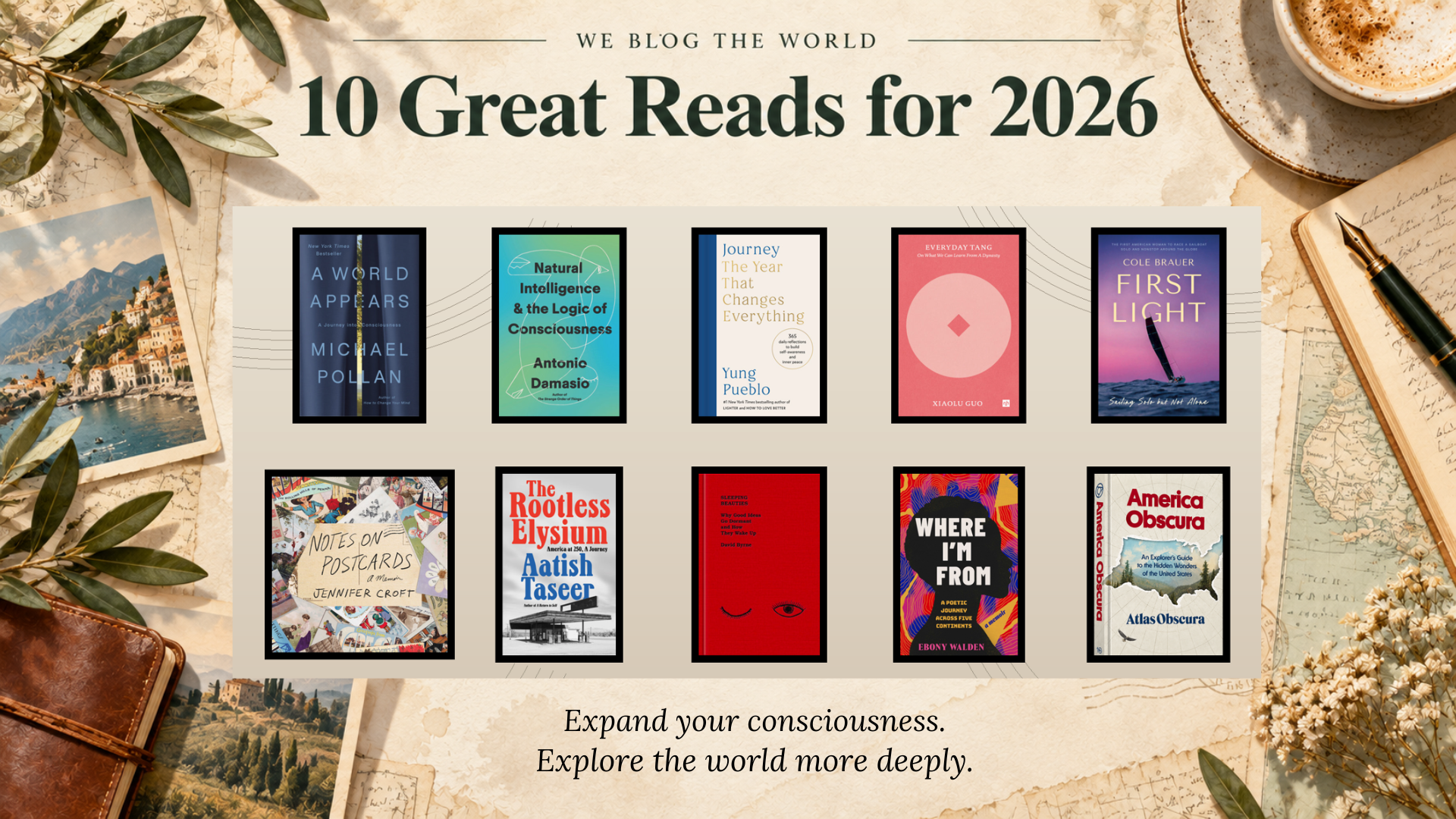
We love to read, whether we’re on the road or at home. Although I’ve personally read about 45 books this year, below are some great picks that cross categories and interests. Remember for us at We Blog the World, travel here is not consumption or checklist tourism. It becomes a catalyst for connection, vulnerability and self-discovery — a way of encountering both the world and the parts of ourselves we might never meet by staying home. Enjoy!
A World Appears — Michael Pollan
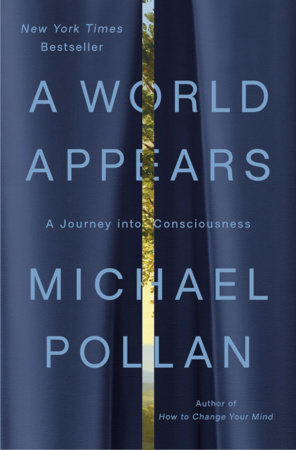 Michael Pollan turns his attention to one of the biggest questions we can ask: what exactly is consciousness, and how much of the living world might possess some form of it? Rather than approaching the subject as a purely scientific puzzle, he moves between neuroscience, philosophy, spirituality, literature, psychedelics and emerging questions around artificial intelligence. The result is a book about awareness itself — not simply how the brain works, but what it means to experience being alive.
What makes A World Appears especially compelling for WBTW readers is the way Pollan continually brings the inquiry back to relationship: our relationship with ourselves, other species, technology and the world around us.
It’s intellectually ambitious without feeling inaccessible, and it encourages the kind of curiosity that can change how we look at ordinary life.
Natural Intelligence & the Logic of Consciousness — Antonio Damasio 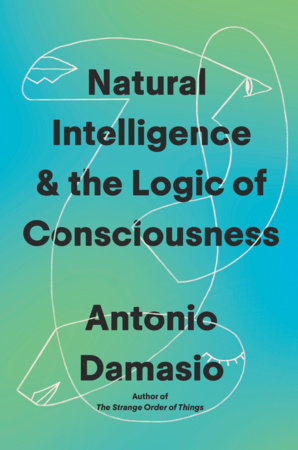
Neuroscientist Antonio Damasio has spent decades exploring how the brain, body, emotions and sense of self interact. In this 2026 book, he returns to consciousness with a broader argument about how natural intelligence emerged and why feeling may be much more fundamental to human awareness than we often assume.
This is a more science-forward read than Pollan’s, but the two books make fascinating companions. Damasio asks us to consider intelligence not as something happening only inside the brain, but as part of a much older biological story. For readers interested in consciousness, human nature and the increasingly blurry line between biological and artificial intelligence, it’s one of the year’s more provocative releases.
Journey: The Year That Changes Everything — Yung Pueblo
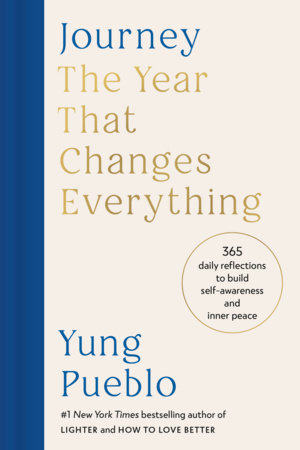 Yung Pueblo has built an audience around reflection, emotional awareness and the gradual work of changing how we relate to ourselves and others. Journey expands that approach into a year-long framework centered on releasing stress, understanding patterns and becoming more intentional about the life we’re creating.
Rather than presenting transformation as one dramatic breakthrough, the book treats it as something that happens through repeated choices. That makes it particularly appealing for anyone who wants a book to live with rather than simply finish.
It’s less about reinventing yourself overnight and more about noticing what you’re carrying, what you’re ready to release and what deserves more of your attention.
America Obscura — Atlas Obscura 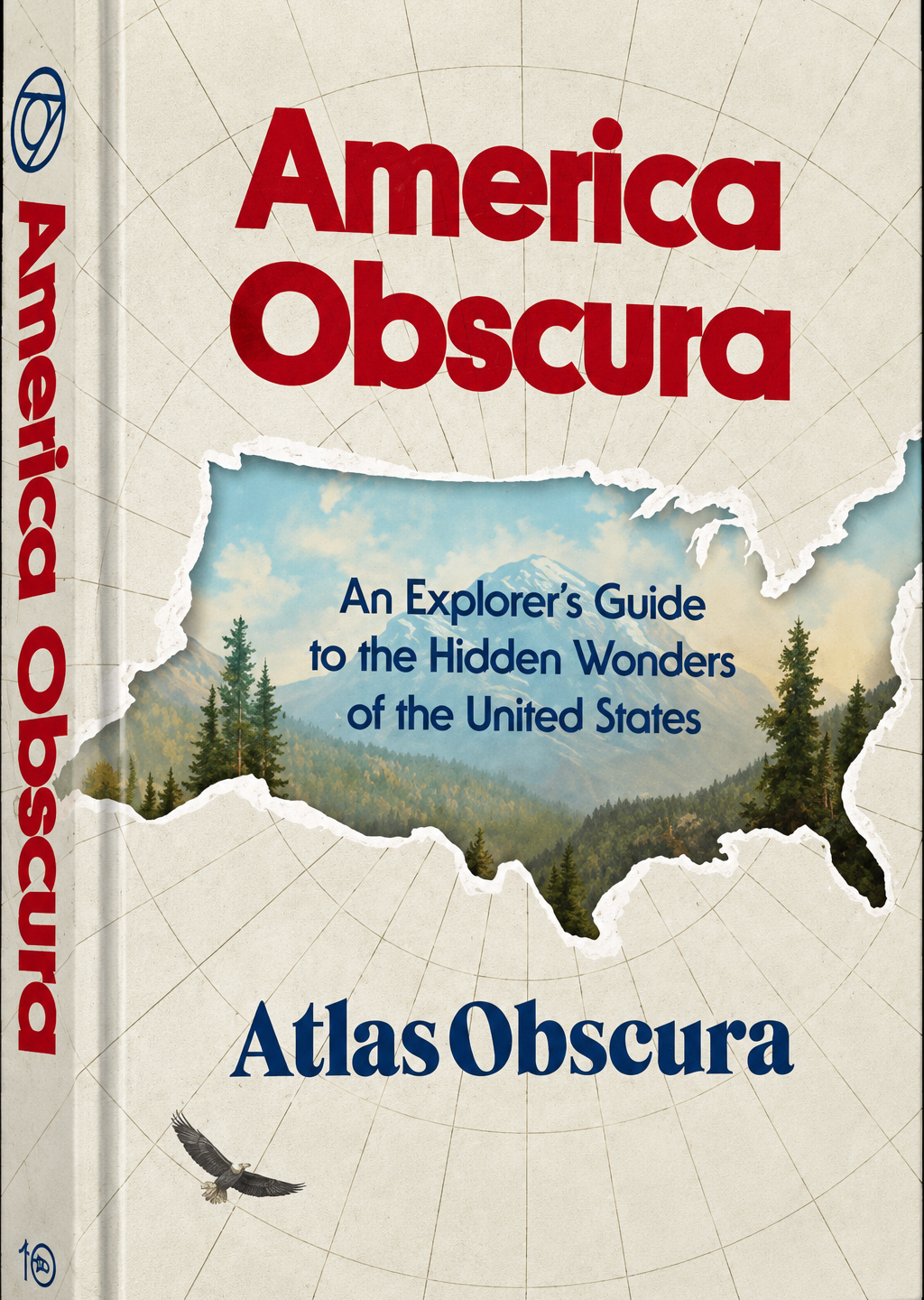
There are plenty of books about America’s famous landmarks. America Obscura is interested in almost everything else. The team behind Atlas Obscura heads into the country’s stranger corners: eccentric museums, unusual natural phenomena, outsider art, regional rituals and places that rarely make it into conventional guidebooks.
It’s part travel companion and part celebration of the weird, creative and unexpected ways people shape the places they call home.
For We Blog the World readers, this one feels almost tailor-made. It reminds us that meaningful travel doesn’t always require crossing an ocean — sometimes it means looking differently at places we think we already know. It’s also the kind of book that can send you down a rabbit hole and have you planning an entirely different kind of road trip.
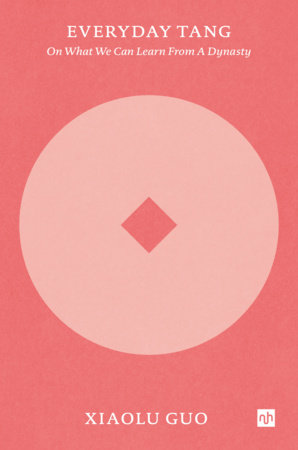 Everyday Tang — Xiaolu Guo
Writer and filmmaker Xiaolu Guo returns to China with her daughter and sets out in search of the traces left by the Tang Dynasty, one of the country’s most culturally influential periods. Their travels through cities including Xi’an and Luoyang become a way of exploring history, family, identity and what survives when civilizations — and individual lives — change.
What makes Everyday Tang especially appealing is that it never treats history as something sealed off in the past. Guo looks at landscapes, art, memory and contemporary China side by side, allowing travel to become a conversation between generations.
It’s a relatively compact book, but it carries a much larger meditation on how we understand where we come from.
First Light — Cole Brauer 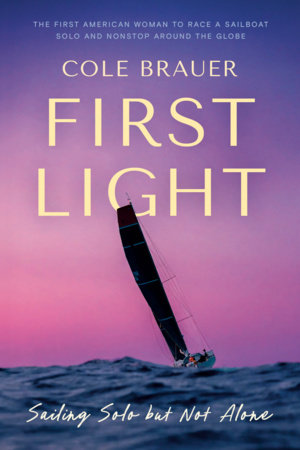
Cole Brauer became the first American woman to race solo nonstop around the world, and First Light takes readers inside the physical and psychological reality of that extraordinary journey. This isn’t simply an adventure story about oceans and endurance; it’s also about fear, confidence, isolation and the strange intimacy that develops between a sailor and the sea.
Brauer’s story is compelling because the achievement never feels abstract. Solo sailing is relentless, technical and often deeply uncomfortable, and the book explores what happens when there is no one else around to solve the next problem. It’s an inspiring read for anyone interested in adventure, resilience or what we discover about ourselves when there is nowhere to hide from the challenge in front of us.
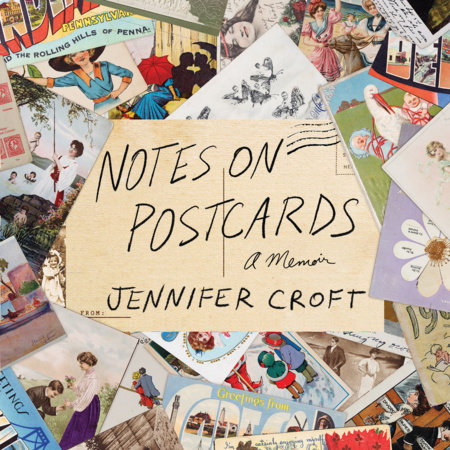 Notes on Postcards — Jennifer Croft
Postcards may seem almost quaint in an age of instant messaging, but Jennifer Croft uses them as the organizing thread for a memoir about travel, language, love, motherhood and belonging. Collected across years and countries, the cards become small markers of where she has been and who she was at different moments along the way.
There’s something wonderfully appropriate about telling a life through fragments of place. Travel memories rarely return to us as a perfect narrative; they arrive as images, smells, sentences, train stations and people we once knew.
Notes on Postcards understands that, making it a particularly resonant book for anyone who has ever saved a ticket stub, scribbled in a travel journal or kept a postcard long after the trip ended.
The Rootless Elysium — Aatish Taseer 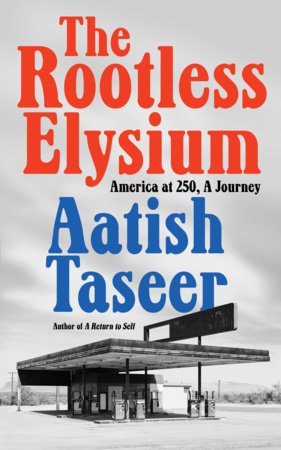
After becoming an American citizen, Aatish Taseer drives west from Chicago toward the Pacific, following the broad mythology of Route 66 while questioning what it actually means to belong to a country. His journey becomes less a conventional road trip than an examination of identity, migration, reinvention and the complicated promises attached to the idea of America.
Taseer brings the perspective of someone who has lived across cultures, which allows him to see both the romance and contradictions of the American landscape. The book should resonate with readers who believe travel is most interesting when it unsettles our assumptions rather than confirms them.
 Sleeping Beauties — David Byrne
David Byrne turns his curiosity toward ideas that vanished, were dismissed or forgotten — only to return years or even centuries later. Moving across art, science, culture and invention, Sleeping Beauties asks why some breakthroughs disappear while others wait for the world to become ready for them.
It’s an unusually hopeful premise. Progress, Byrne suggests, is rarely a straight line, and worthwhile ideas don’t always arrive at the right moment.
For creatives, entrepreneurs and anyone fascinated by how culture evolves, the book offers a reminder that what seems irrelevant today may simply be waiting for a different context tomorrow.
Where I’m From — Ebony Walden 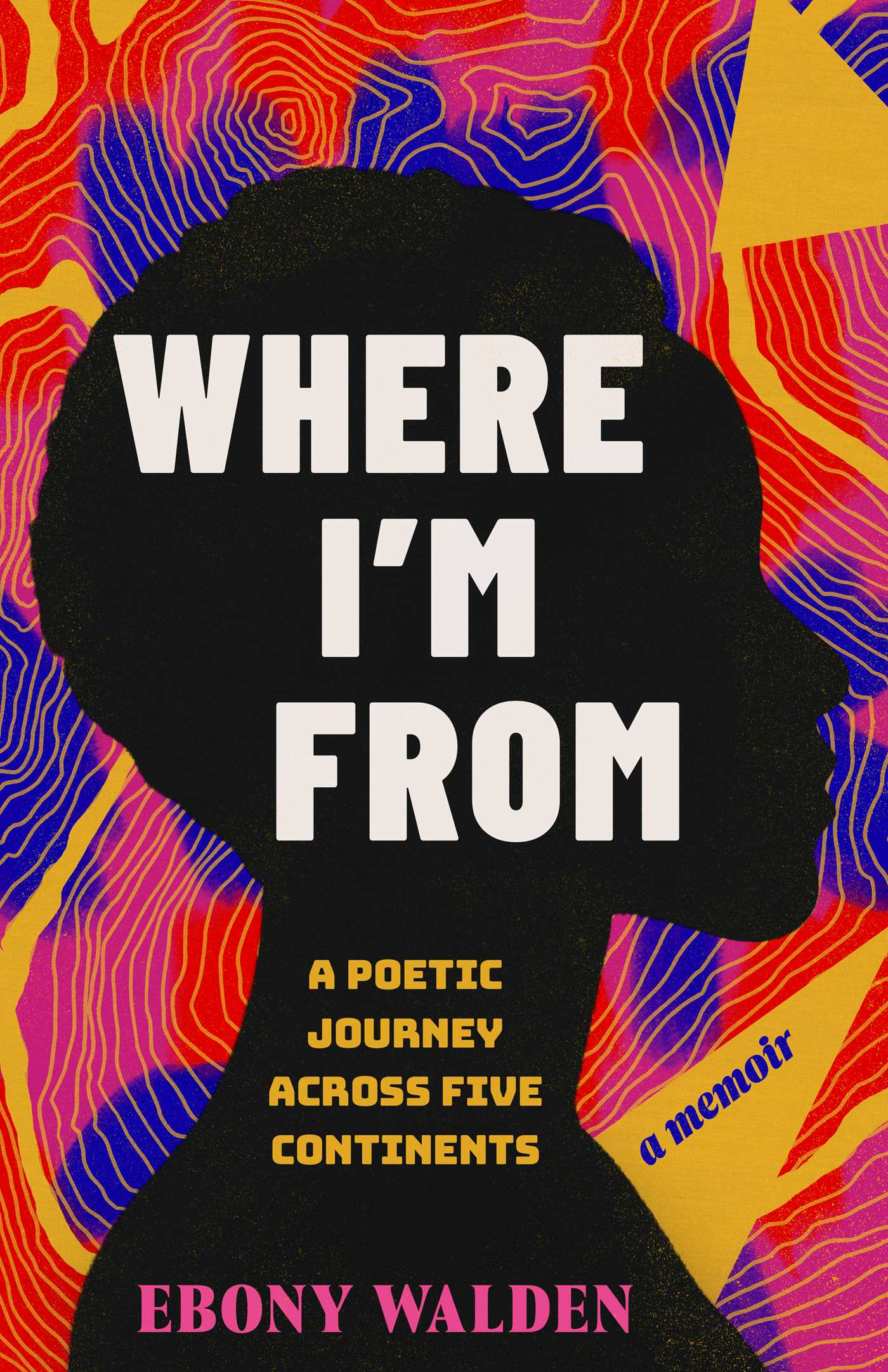
Ebony Walden’s memoir begins with a bold decision: leave her job and spend months traveling across five continents. What follows is not simply a record of destinations, but an exploration of culture, race, identity, poetry and the ways strangers can alter our understanding of ourselves.
Along the way, Walden invites people she meets to write “Where I’m From” poems, allowing their voices to become part of the journey.
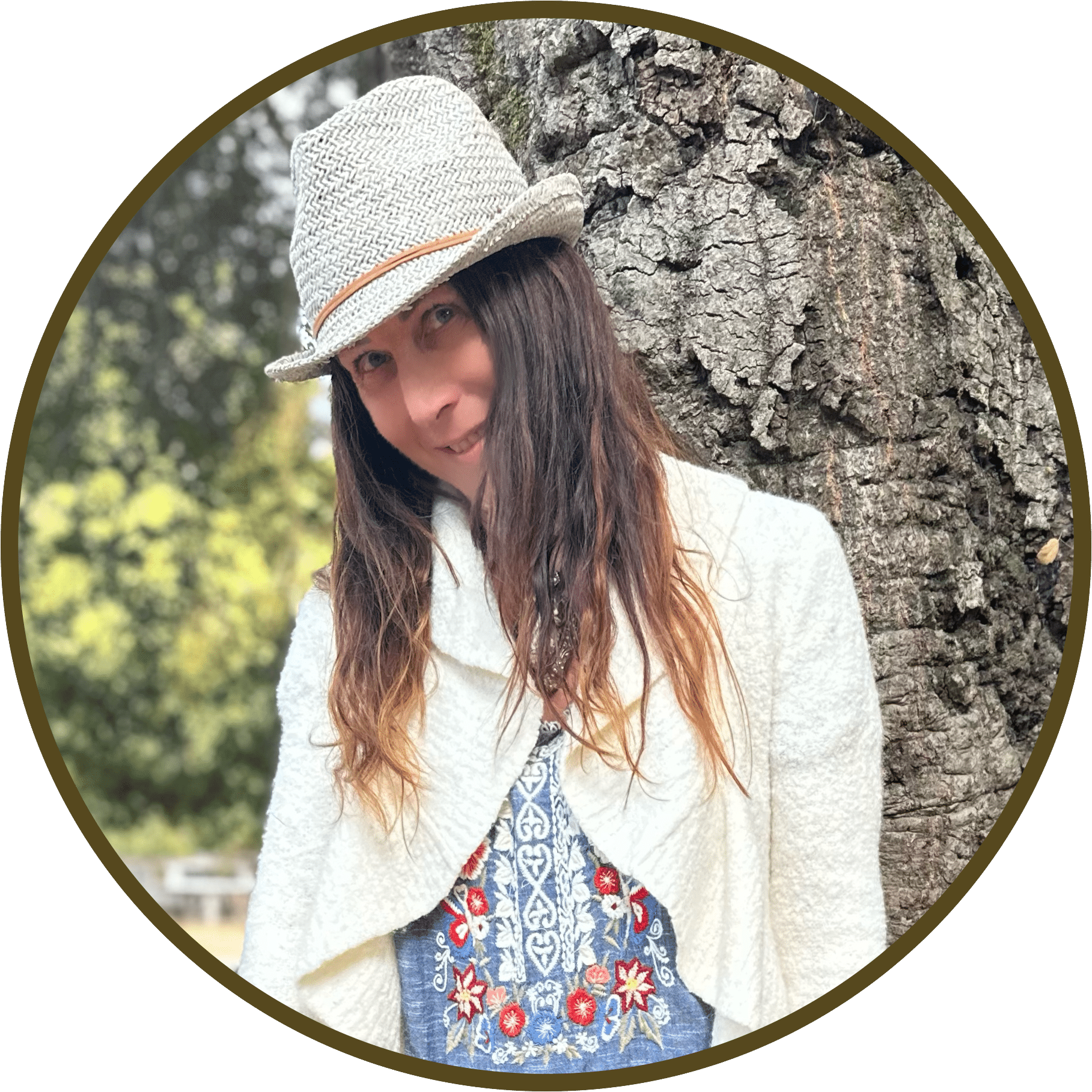
Renee Blodgett is the Founder and Managing Editor of We Blog the World, a global travel, culture and lifestyle publication exploring the world through the lens of meaningful experiences, human connection and cultural depth. Having lived in 10 countries and traveled to 95, Renee has spent much of her life immersed in the people, traditions, landscapes and ideas that shape how we experience the world.
Since launching We Blog the World in 2007, she has written and produced extensive editorial coverage spanning boutique and luxury travel, culinary experiences, arts and culture, wellness, adventure, technology, spiritual traditions and transformative travel. Her work is rooted in the belief that travel is about more than where we go—it is also about what a place, culture or encounter awakens within us.
Renee brings more than three decades of experience across journalism, photography, media, brand strategy, technology, wellness and global storytelling. She has worked with companies and organizations around the world on brand positioning, communications, product launches, media strategy, speaker positioning and storytelling. Through Blue Soul Media, she works with authors, entrepreneurs, thought leaders and purpose-driven brands to clarify their message and expand their impact, which includes speaker coaching/training for high-profile stages such as TED and bringing authors’ work to market while retaining authors rights.
She is also the co-founder of Blue Soul Earth, an educational platform exploring consciousness, ancient wisdom, spirituality, healing and the intersection between science and the nature of reality. Renee is the producer and host of the award-winning Blue Soul CHATS, a conversational series bringing together leading voices in science, technology, consciousness, wellness and spirituality.
Her growing body of work also includes Blue Soul Living, which extends her interest in consciousness and well-being into the spaces we inhabit, exploring how intentional design, energy and environment can support greater harmony and connection.
Renee is the award-winning co-author of the bestselling Magdalene’s Journey and founder of the Magdalene Collection, inspired by women’s voices, stories and wisdom across cultures and generations.
A longtime photographer and storyteller, Renee has documented people, places and cultures around the world and produced photographic collections focused on destinations including the Galápagos Islands, London, South Africa, Rome and Ecuador. She also co-founded Traveling Geeks, an international initiative that brought entrepreneurs, journalists, creators and technology leaders together with their counterparts in other countries to exchange ideas and explore innovation across cultures.
Renee’s work has been recognized by Forbes, the United Nations and others for her influence in media and social storytelling. Across her work in travel, media, consciousness and culture, a common thread remains: curiosity about the world, the stories that connect us and the ways meaningful experiences can change how we see ourselves and one another.