Stepping Back in Time at Northern California’s Renaissance Faire
There are few places where you can spend an afternoon wandering past armored knights, blacksmiths pounding iron, wandering musicians, elaborately costumed queens, pirates, fairies and artisans selling wares that look as though they belong to another century.
That playful collision of history, theater, fantasy and community is what makes a Renaissance Faire such an unusual experience—and Northern California’s annual celebration at Casa de Fruta in Hollister brings all of it together against the rolling landscape of Pacheco Pass. The Northern California Renaissance Faire returned this fall for six weekends, transforming its grounds into the fictional Elizabethan village of Willingtown, complete with jousting, music, food and ale, traditional crafts, costumed characters and a marketplace filled with independent artisans.
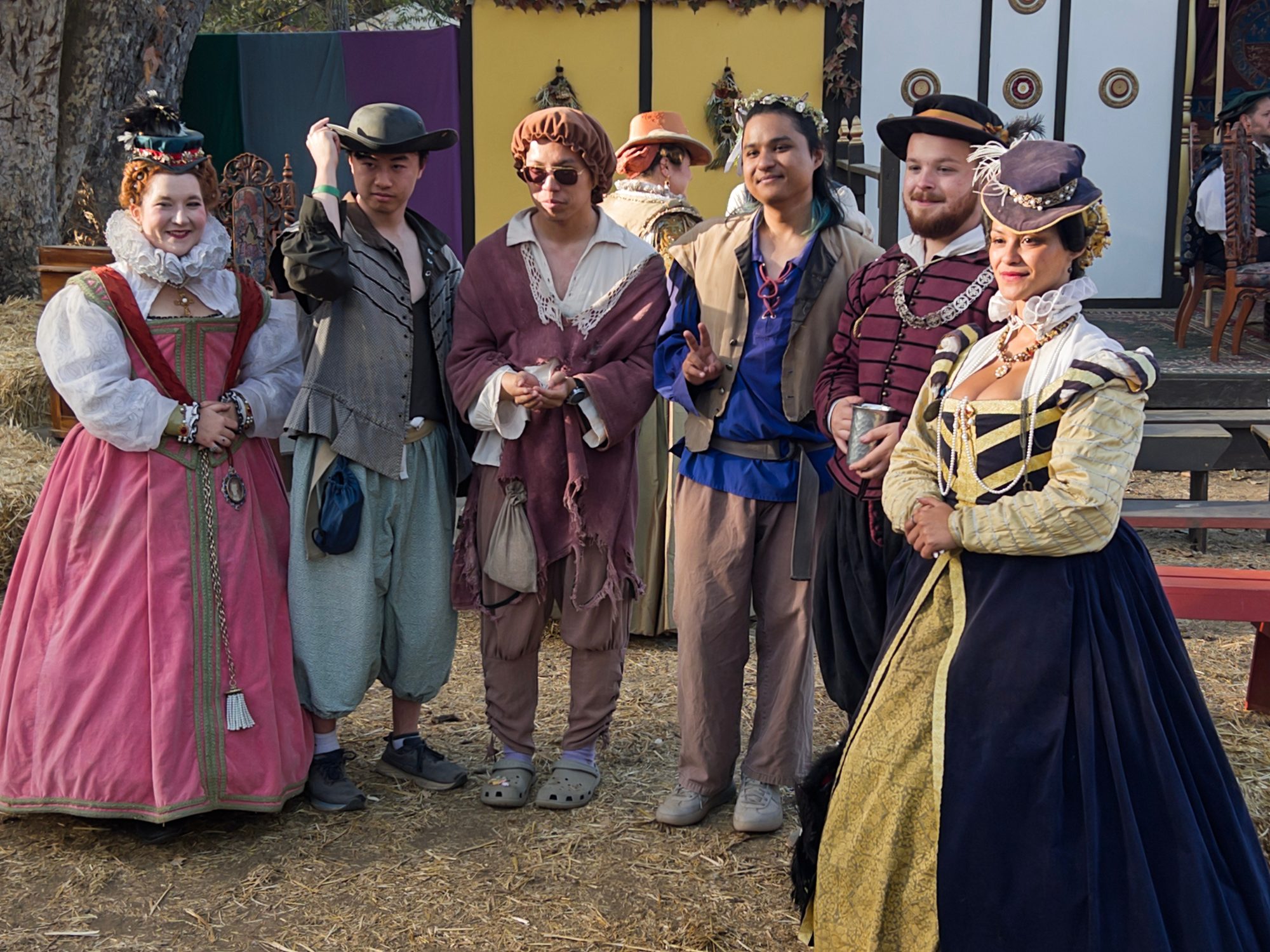
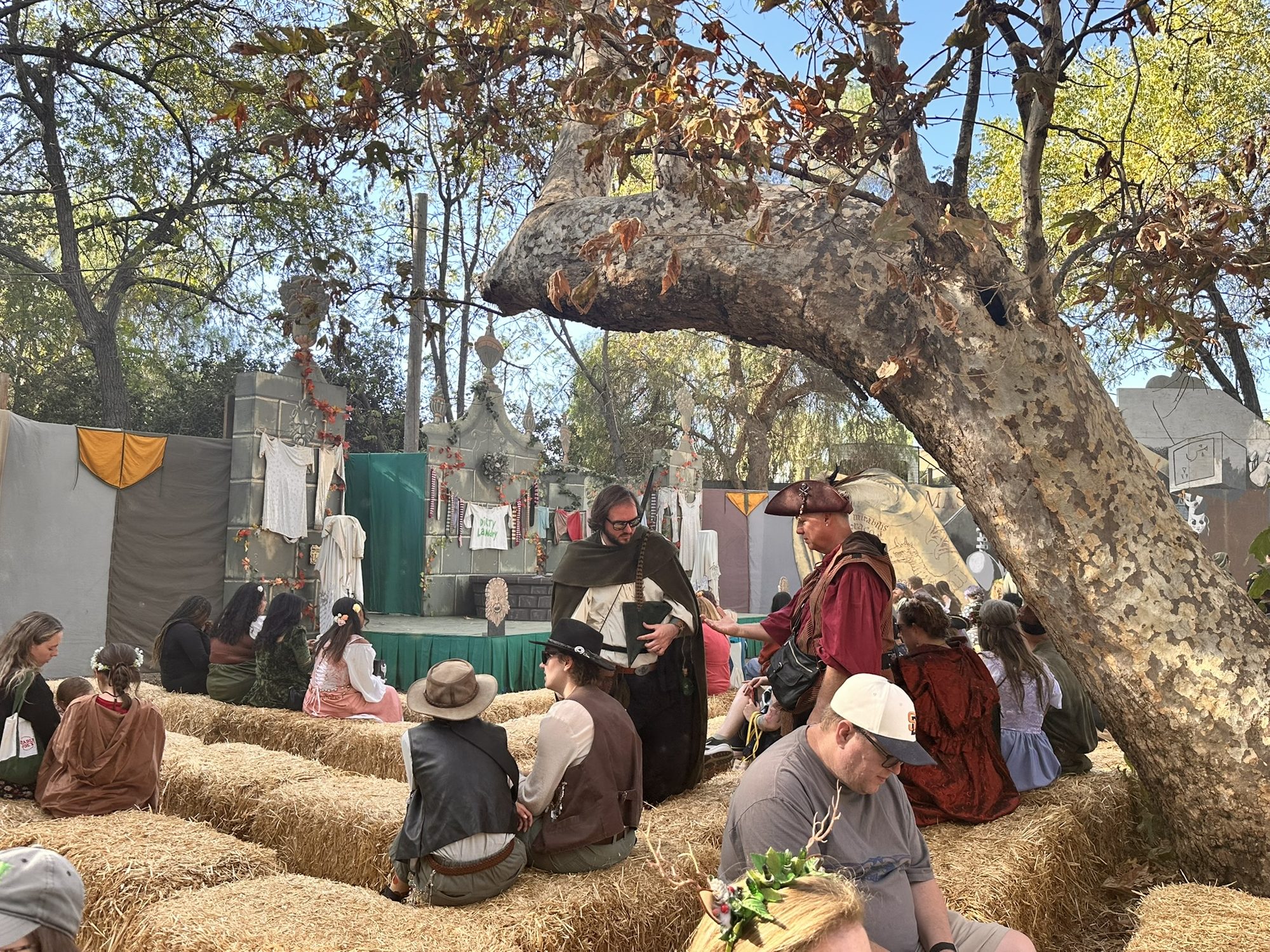
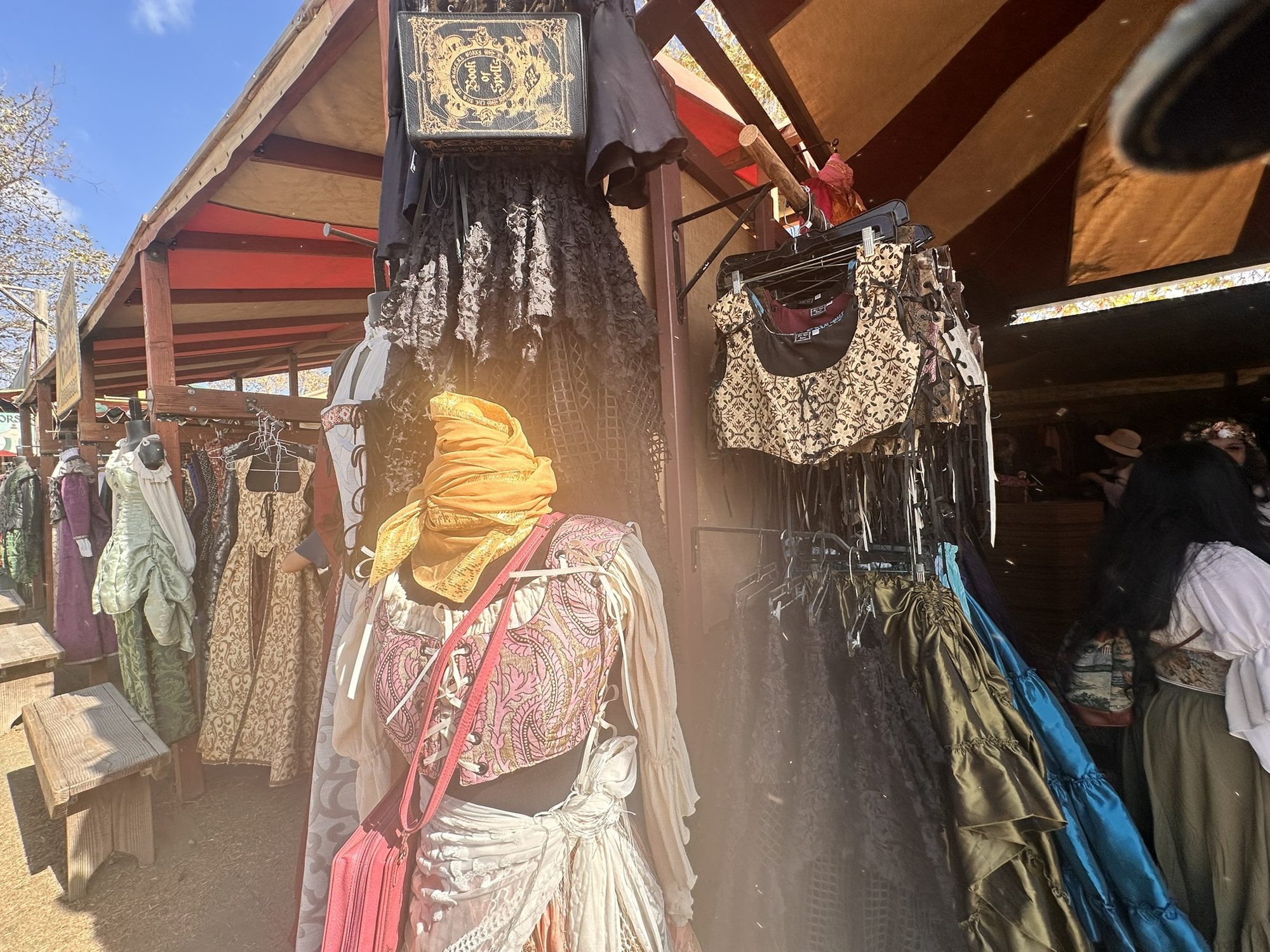
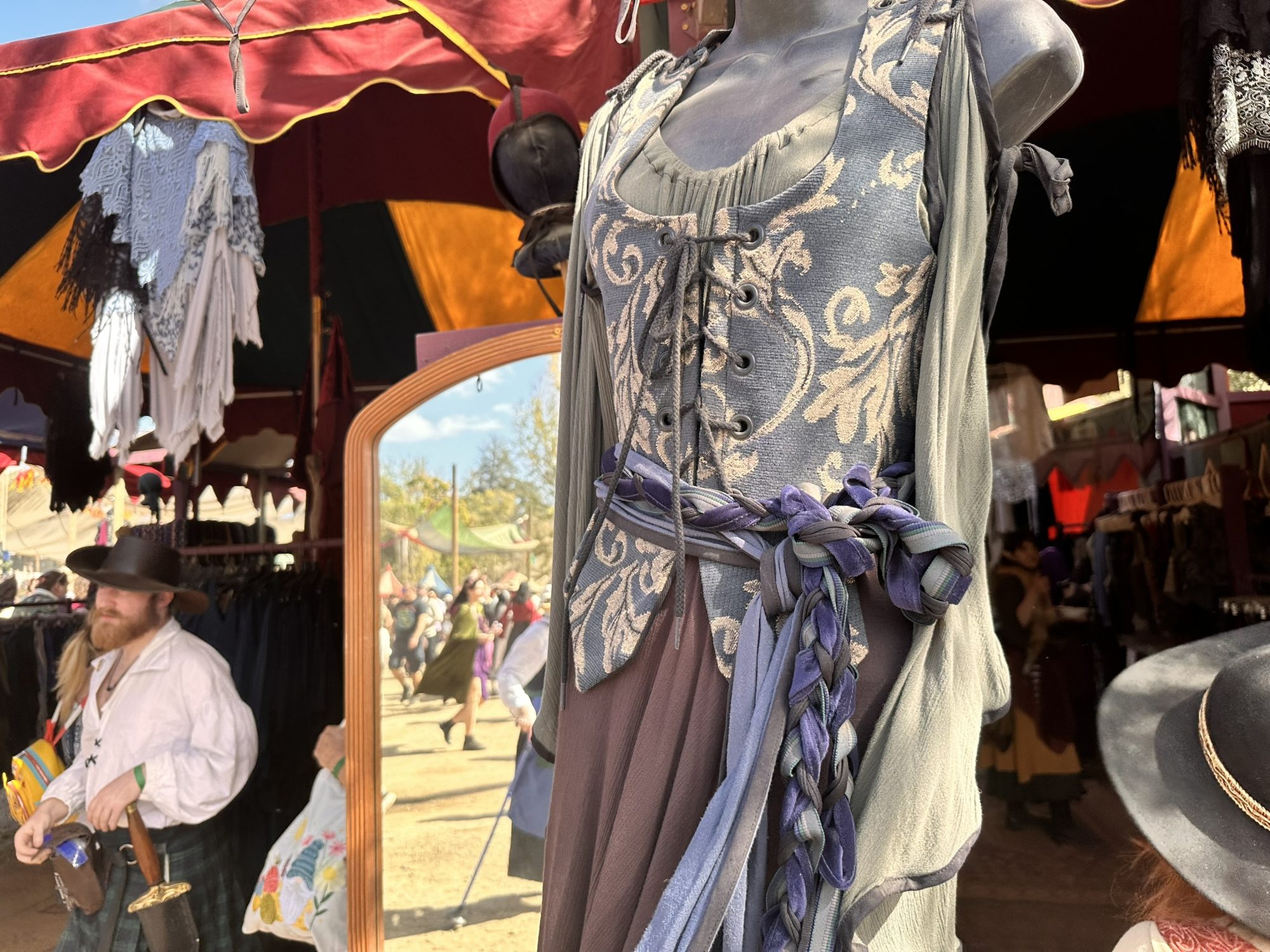
We visited during the October 10–11 weekend, appropriately dubbed “More Cottagecore,” an encore after the popularity of the Faire’s first Cottagecore weekend earlier in the month. The result was a whimsical mix of Renaissance pageantry and contemporary fantasy: flowing dresses, woodland-inspired costumes, leatherwork, handmade pottery, masks, jewelry, ceramics and enough creative self-expression to make simply watching the crowd part of the experience.
Where History and Imagination Meet
A Renaissance Faire isn’t quite a historical reenactment, and that may be part of its charm.
The real Renaissance unfolded across Europe over several centuries, beginning in Italy in roughly the 14th century before spreading throughout much of the continent. The period—which literally takes its name from the idea of “rebirth”—brought renewed interest in classical Greek and Roman thought while ushering in extraordinary developments in art, architecture, literature, science, exploration and philosophy.
It was the world of Leonardo da Vinci, Michelangelo, Raphael and later Galileo; of humanism and expanding intellectual inquiry; and of the printing press, which radically changed how knowledge could spread.
The California Faire leans particularly toward the Elizabethan era of 16th-century England, but it happily allows history to mingle with folklore, fantasy and modern imagination. You’re just as likely to encounter a fairy, pirate or mythical creature as a historically dressed courtier.
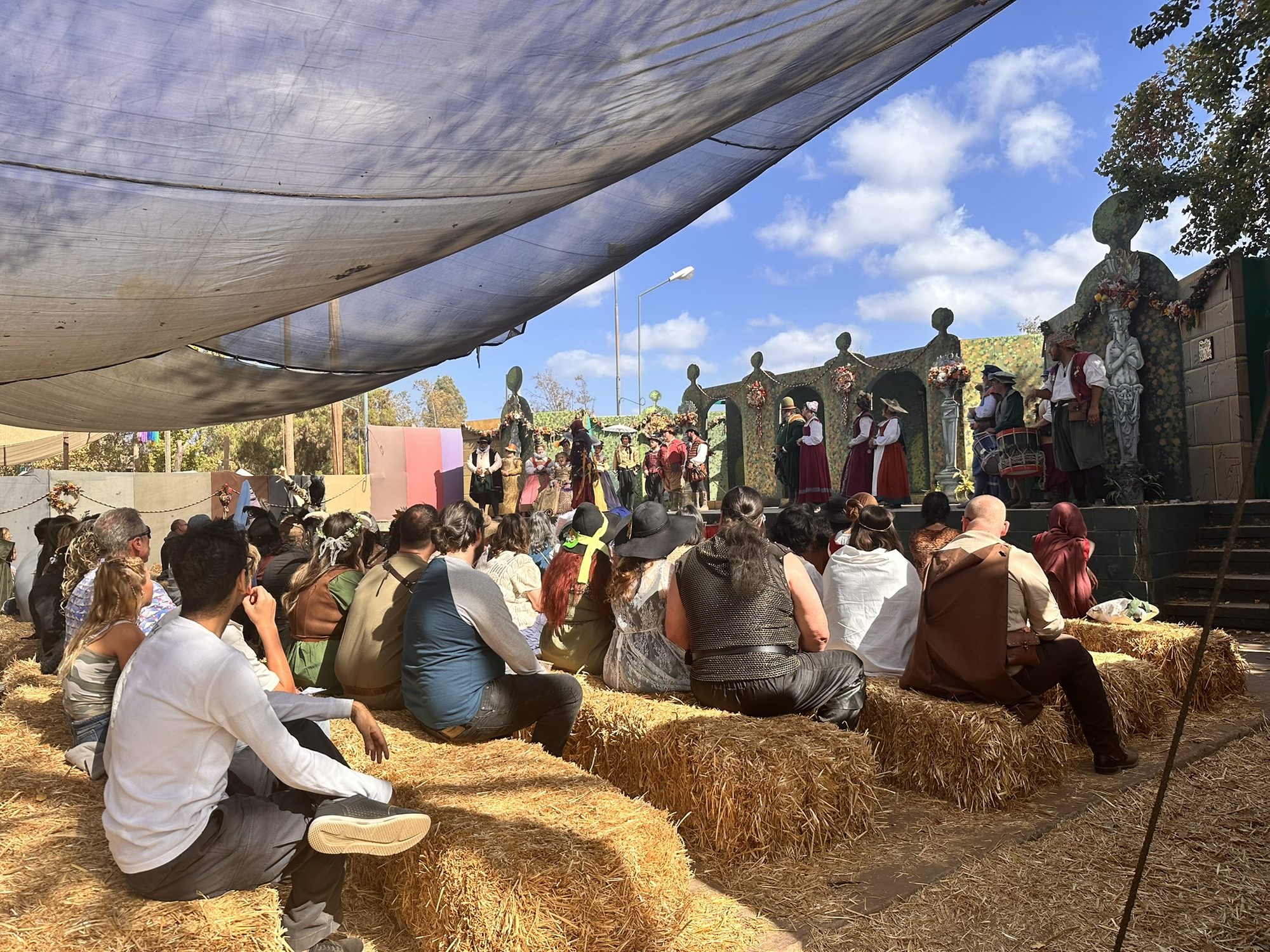
And nobody seems terribly concerned about the contradiction. That looseness gives the Faire its sense of play and we witnessed it through theatre, performances and visual candy everywhere you turned.
Music Everywhere
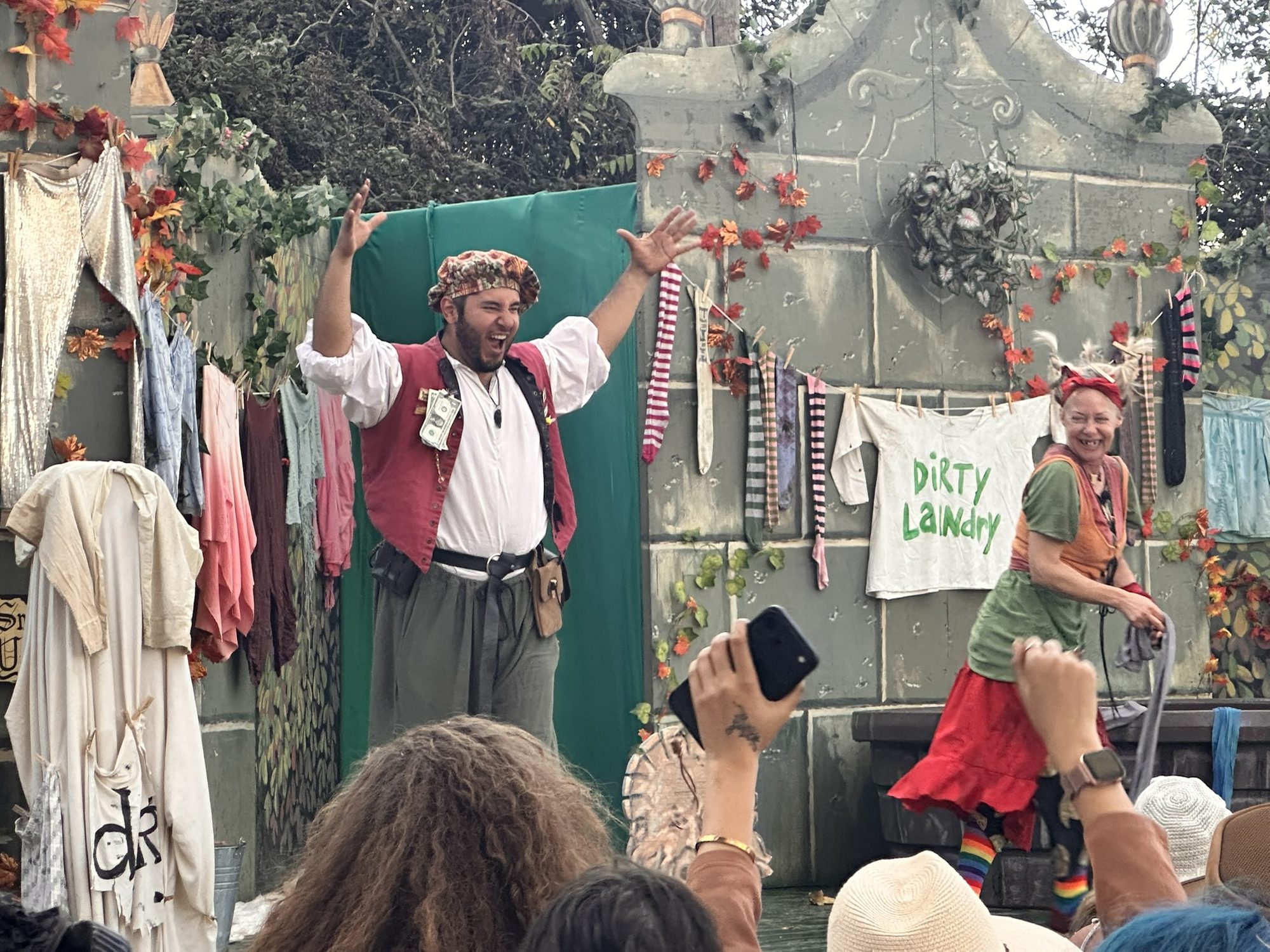
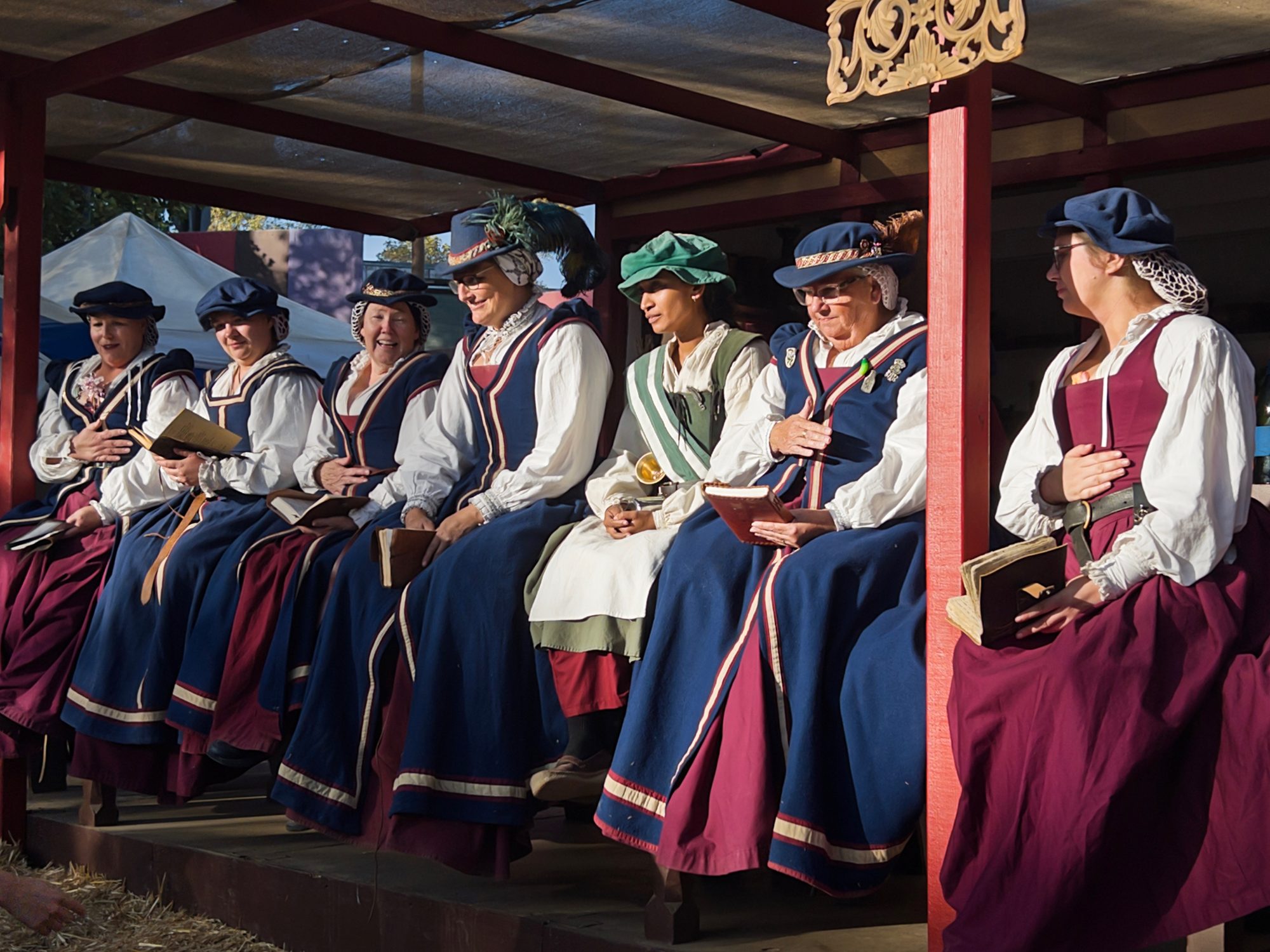
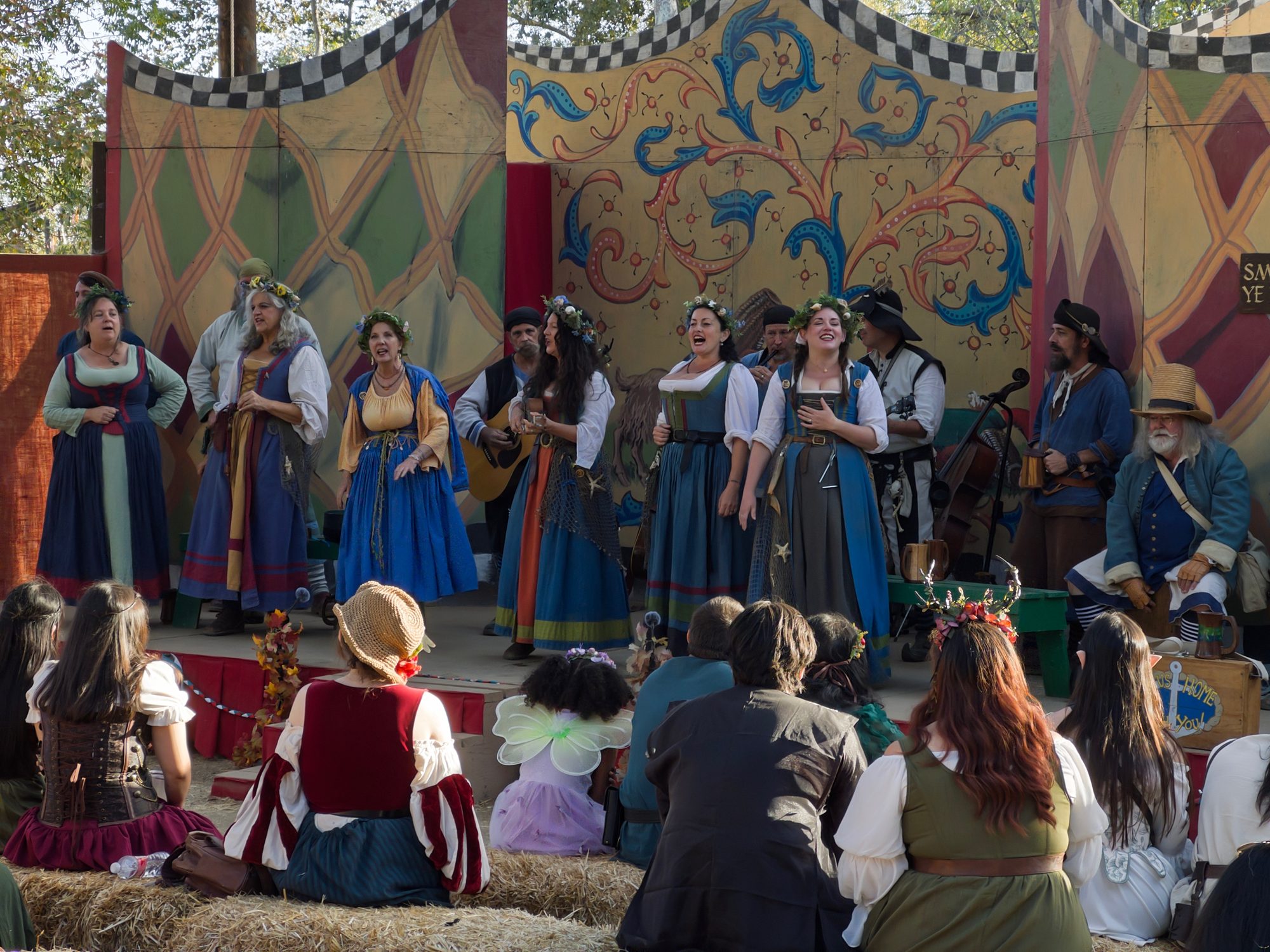
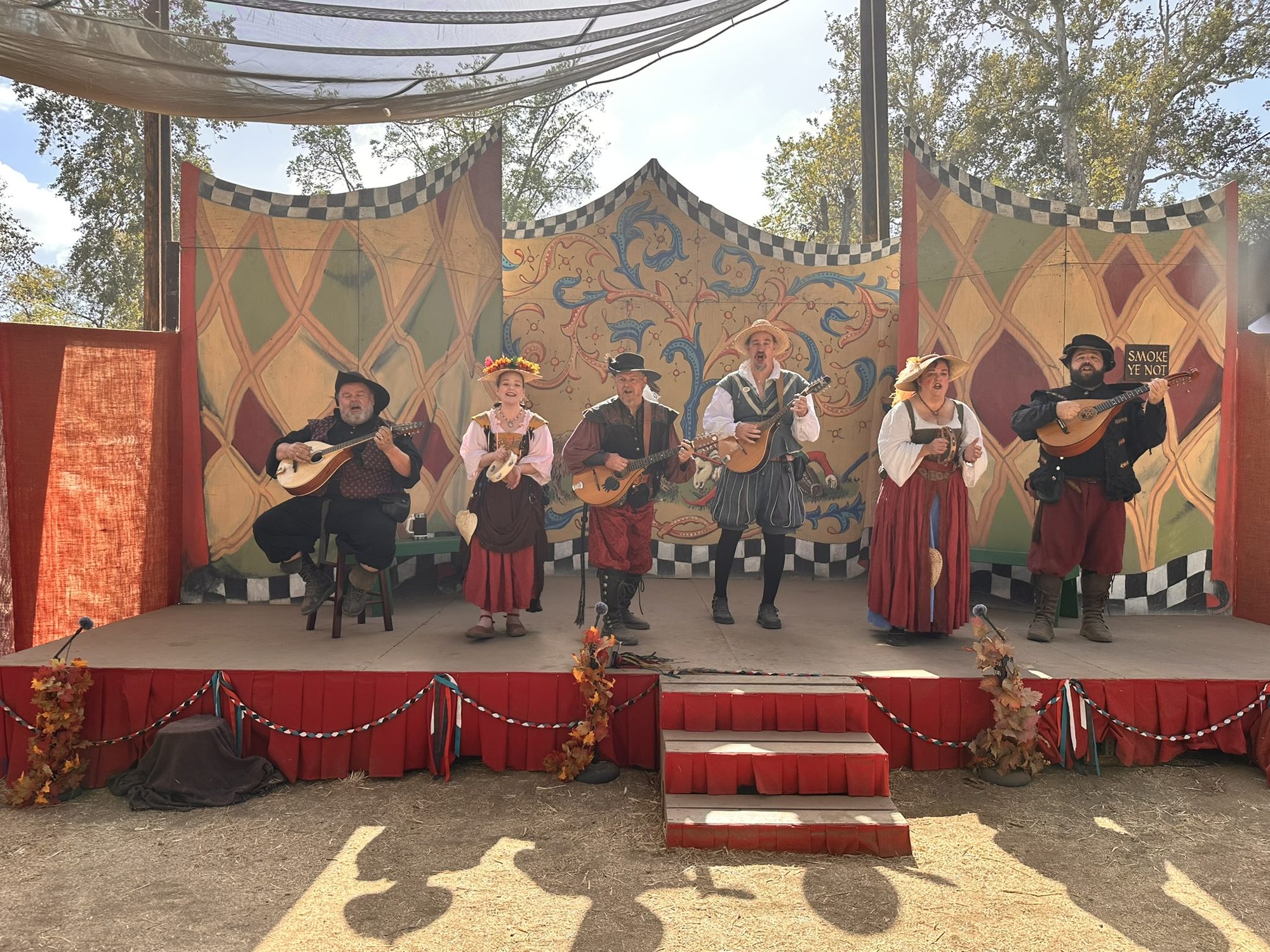
Music drifts through Willingtown throughout the day. Have Fiddle, Will Travel brings fiddle music into the streets and performance areas, while the Queen’s Band accompanies the Queen’s daily movements through the village. At day’s end, performers and townspeople gather for Last Call, a communal finale of songs, laughter and revelry.
The soundscape matters more than you might initially realize. A fiddle appearing around the corner or musicians suddenly gathering nearby changes the environment from decorated festival grounds into something closer to immersive theater.
The Faire also includes interactive quests and games, including this year’s Elemental Mayhem and Murder Most Faire, giving visitors additional ways to become part of the unfolding world rather than simply moving through it.
Knights, Horses and the Royal Joust
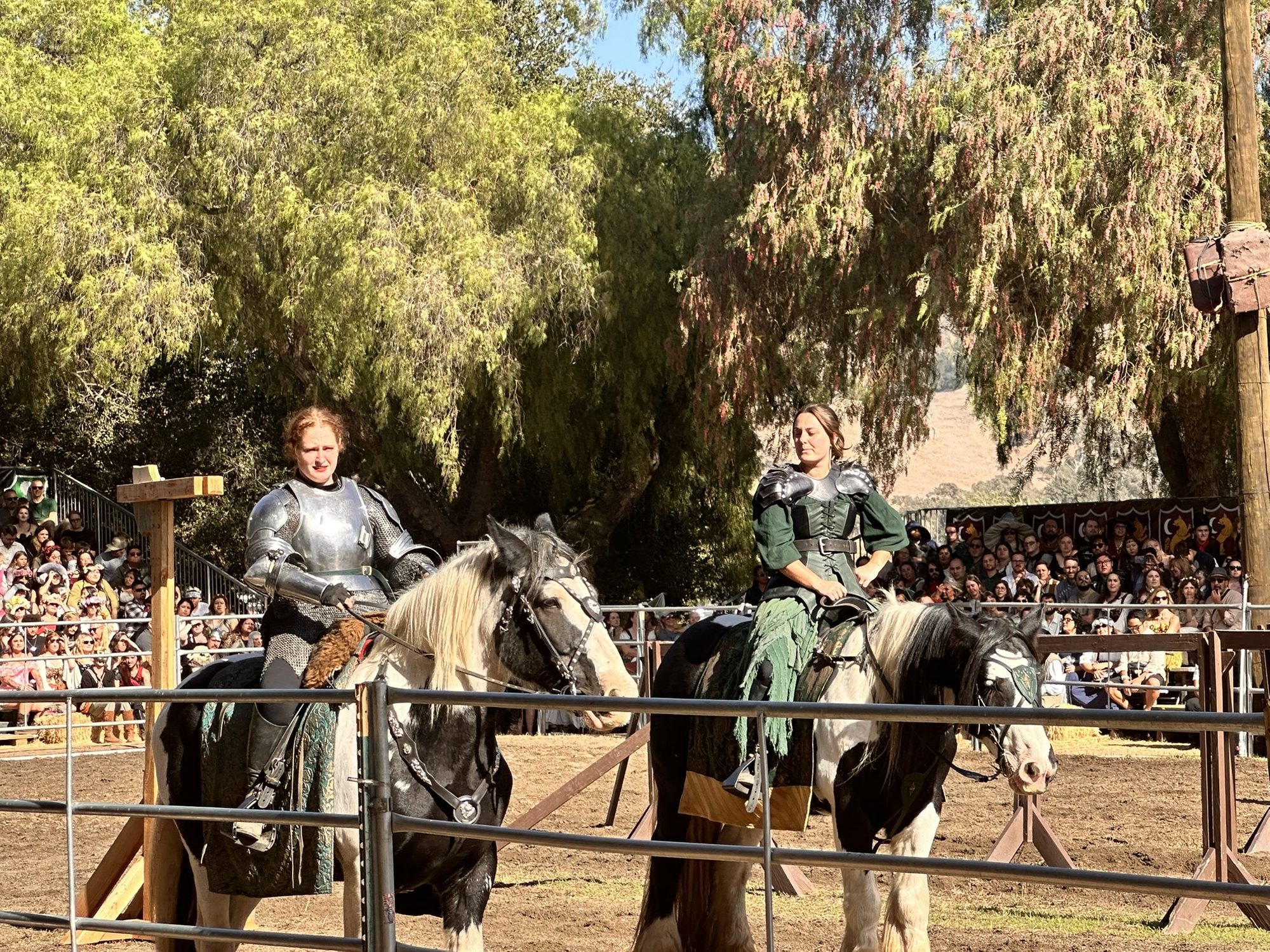
One of the unmistakable centerpieces is the Queen’s Royal Joust, where mounted knights compete with lances, swords and shields before the Queen and gathered spectators. The professional jousting team performs tournaments and games several times throughout the day, while the Royal Equine Guild presents its horses—including striking Gypsy horses and other breeds—before each joust.
There is something wonderfully visceral about watching horses thunder past while armored riders prepare to cross lances. No matter how many centuries separate us from the world being evoked, the combination of horses, armor, speed and competition immediately draws a crowd.
It is spectacle in the oldest sense of the word.
Swordplay, Blacksmithing and Living Craft
Beyond the jousting arena, the Faire offers smaller demonstrations that bring a different side of historical life into focus.
The White Rose Forge Blacksmiths, a father-and-daughter team, demonstrate the traditional process of shaping heated iron into tools and everyday objects. On the weekend we attended, The Twilight Knights were also performing demonstrations with traditional weapons including rapiers and shinai.
These smaller encounters are some of the most interesting because they remind you that the Renaissance wasn’t simply a period of royal courts, gowns and magnificent paintings. Everyday life depended upon craftspeople whose skills were learned through years of apprenticeship and passed from one generation to the next.
And throughout the Faire, that celebration of making continues.
Why Renaissance Faires Still Work
Perhaps what is most intriguing about Renaissance Faires is their longevity.
California has a special connection to the phenomenon. The original Renaissance Pleasure Faire began in Agoura, near Malibu, in 1963, originally conceived as a living-history experience for schoolchildren and their families. It eventually helped inspire an entire Renaissance Faire movement across the United States. More than six decades later, people still show up in corsets, cloaks, armor, boots, crowns, wings and elaborate handmade costumes.
Why? Some of it is escapism, certainly.
But there may be something deeper at work. Modern life is increasingly digital, optimized and detached from the tactile. A Renaissance Faire offers almost the opposite experience: music made a few feet away from you, people crafting things by hand, shared meals, theatrical storytelling, physical games, horses, costumes and face-to-face interaction.
It is messy, colorful and communal. Perhaps we are drawn not simply to an imagined past, but to experiences that remind us what it feels like to participate rather than merely consume.
Cottagecore Meets the Renaissance
The Cottagecore theme made that contrast particularly noticeable.
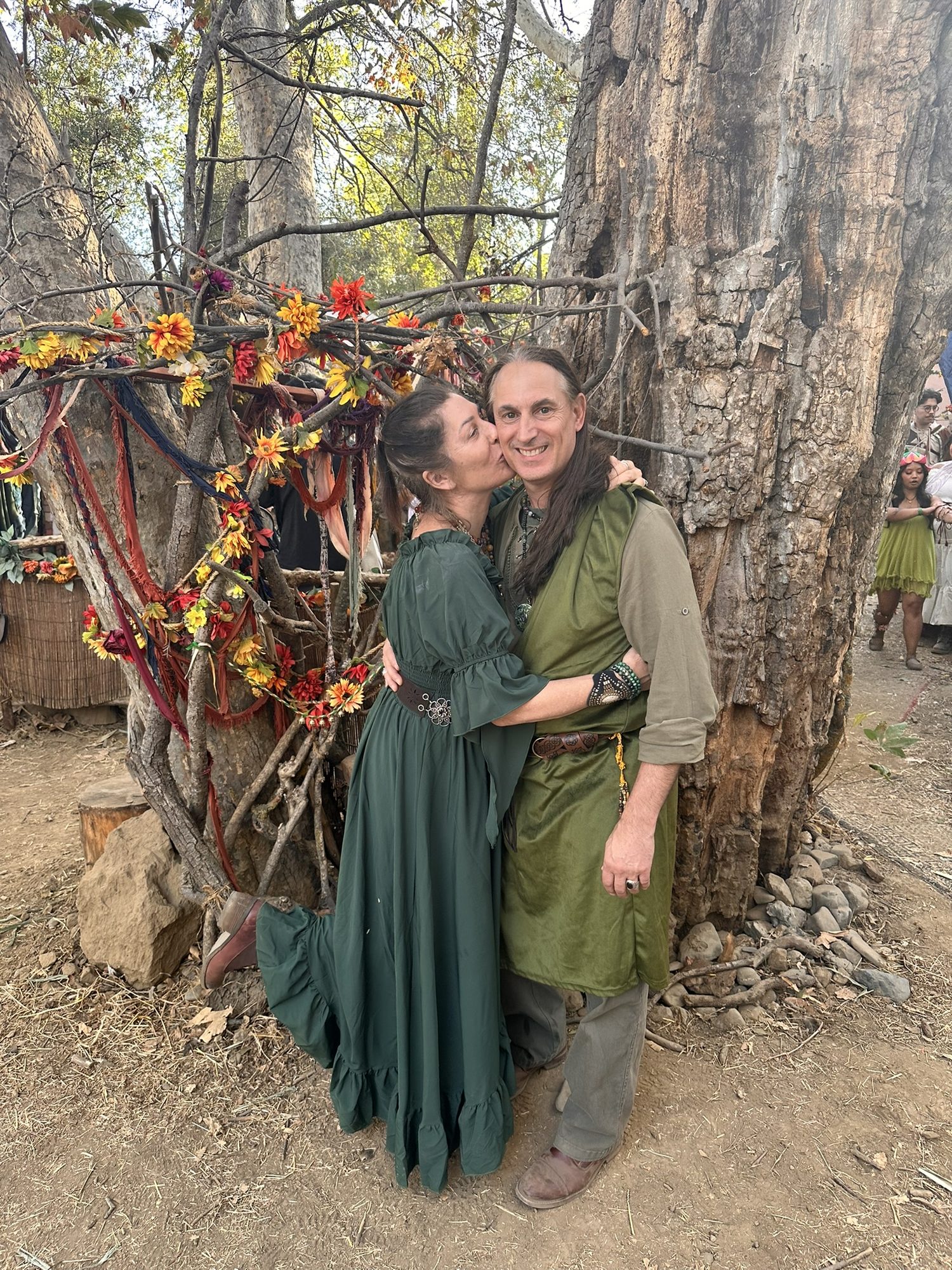
Although Cottagecore is a thoroughly modern aesthetic, its fascination with handmade objects, pastoral life, nature, traditional crafts and slower rhythms overlaps surprisingly well with the world Renaissance Faires have been creating for decades.
The October 10–11 weekend invited fairies, woodland creatures and other Cottagecore-inspired visitors into Willingtown, adding another layer of fantasy to an event that has never been overly concerned with historical purity.
And somehow it works. A knight rides past a fairy. A blacksmith hammers iron while someone wearing pointed ears examines handmade pottery. A Queen progresses through the village while children race toward the next spectacle.
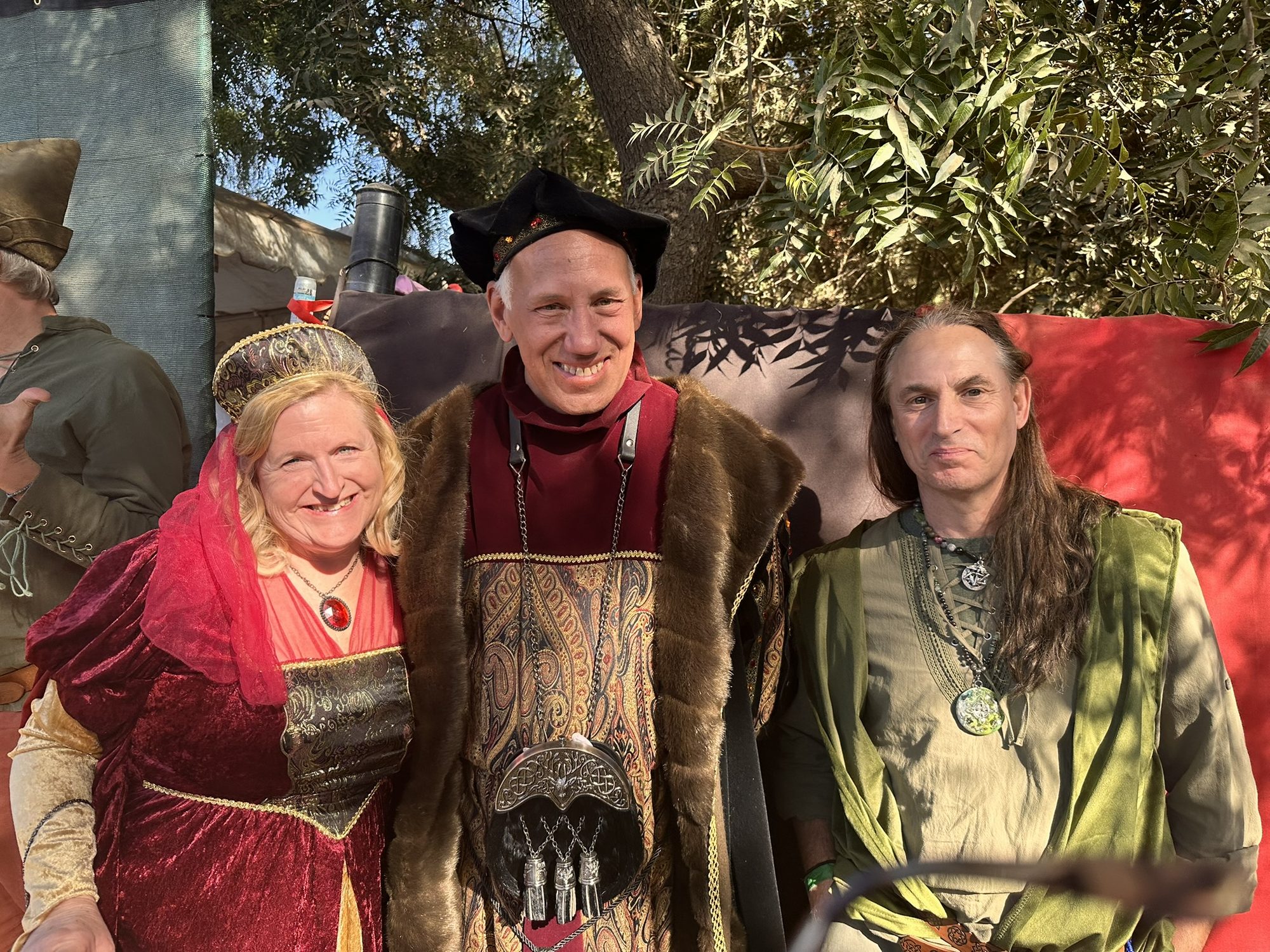
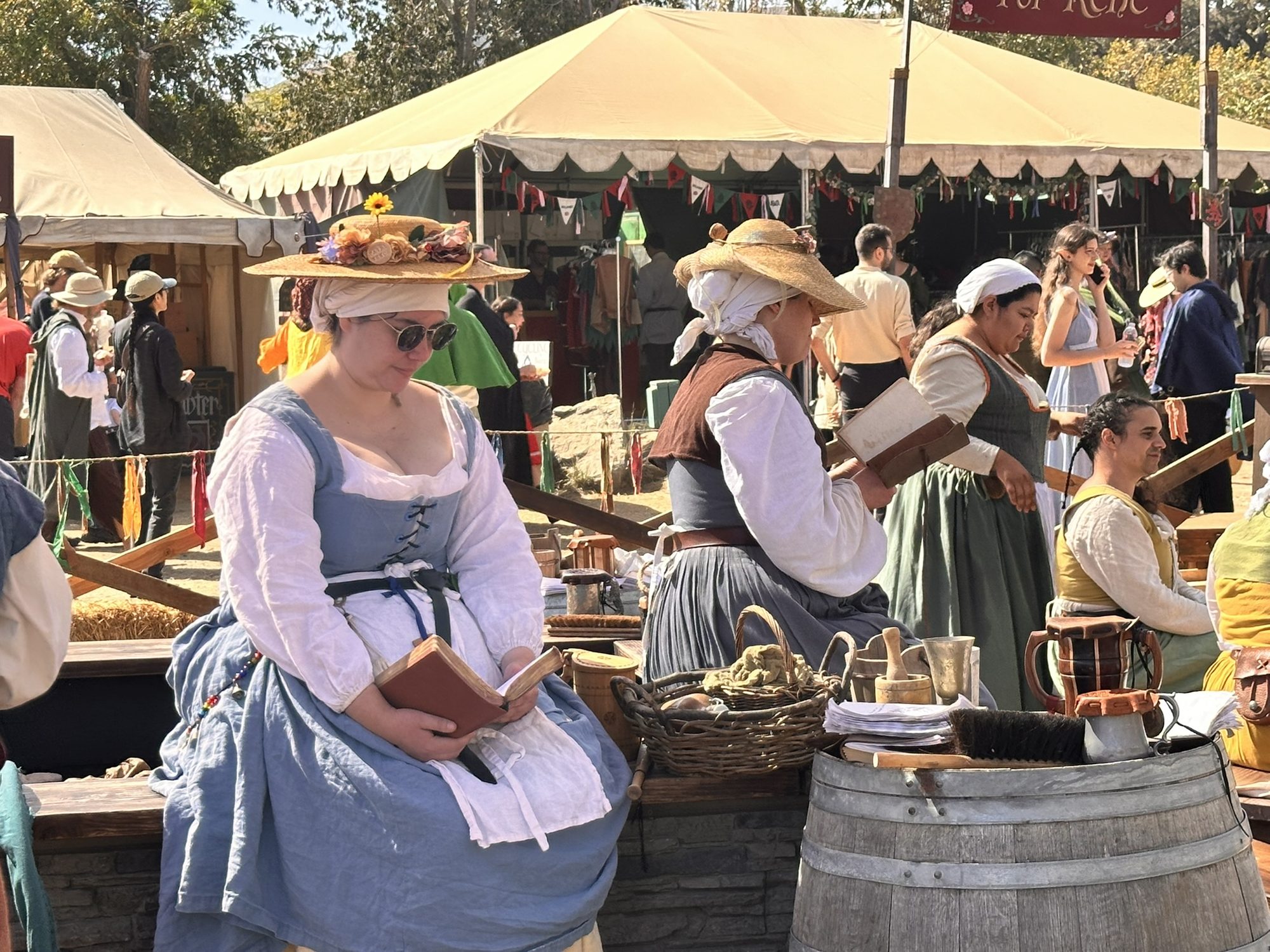
Now, let’s take a look at some of the costumes.
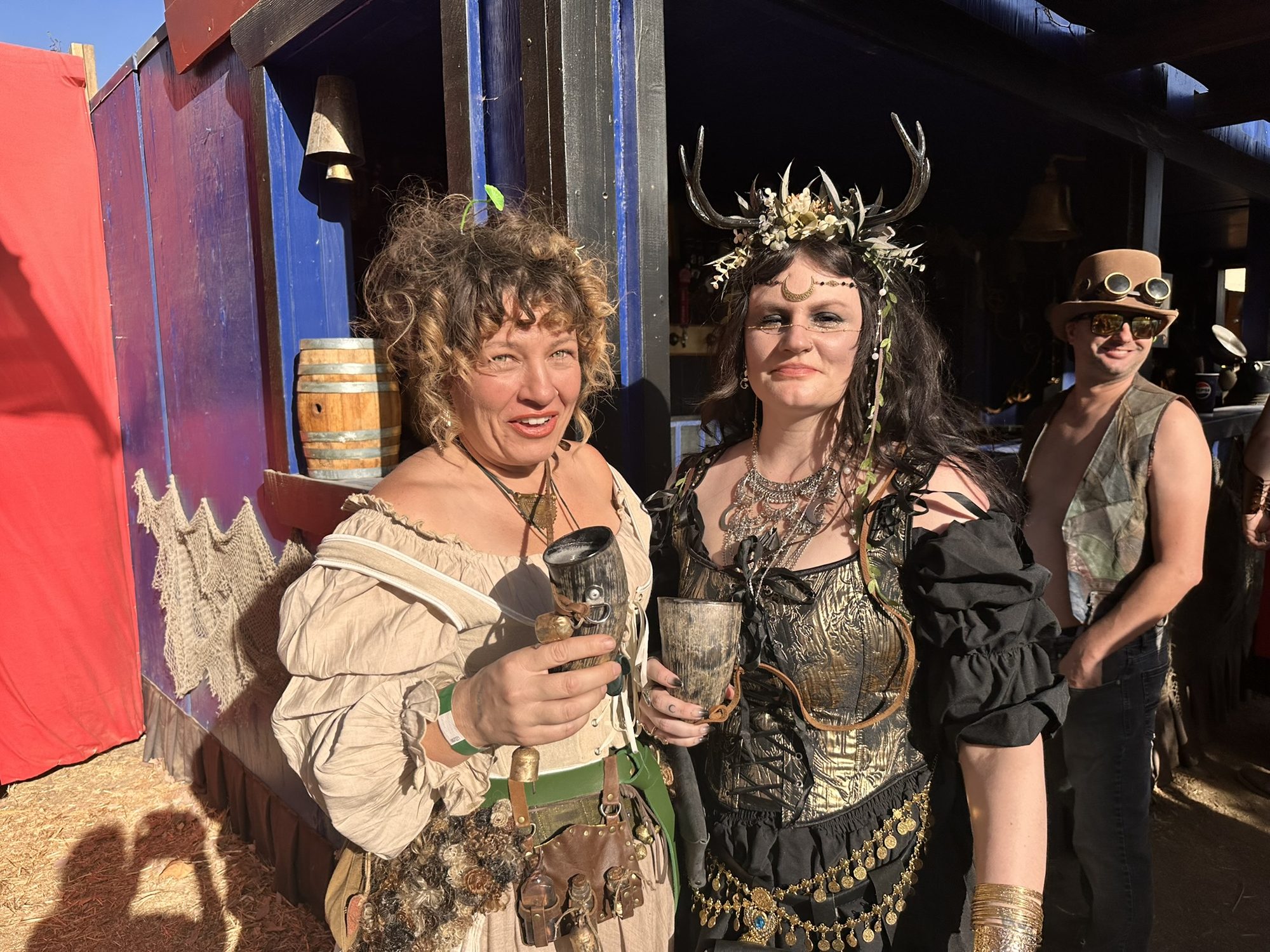
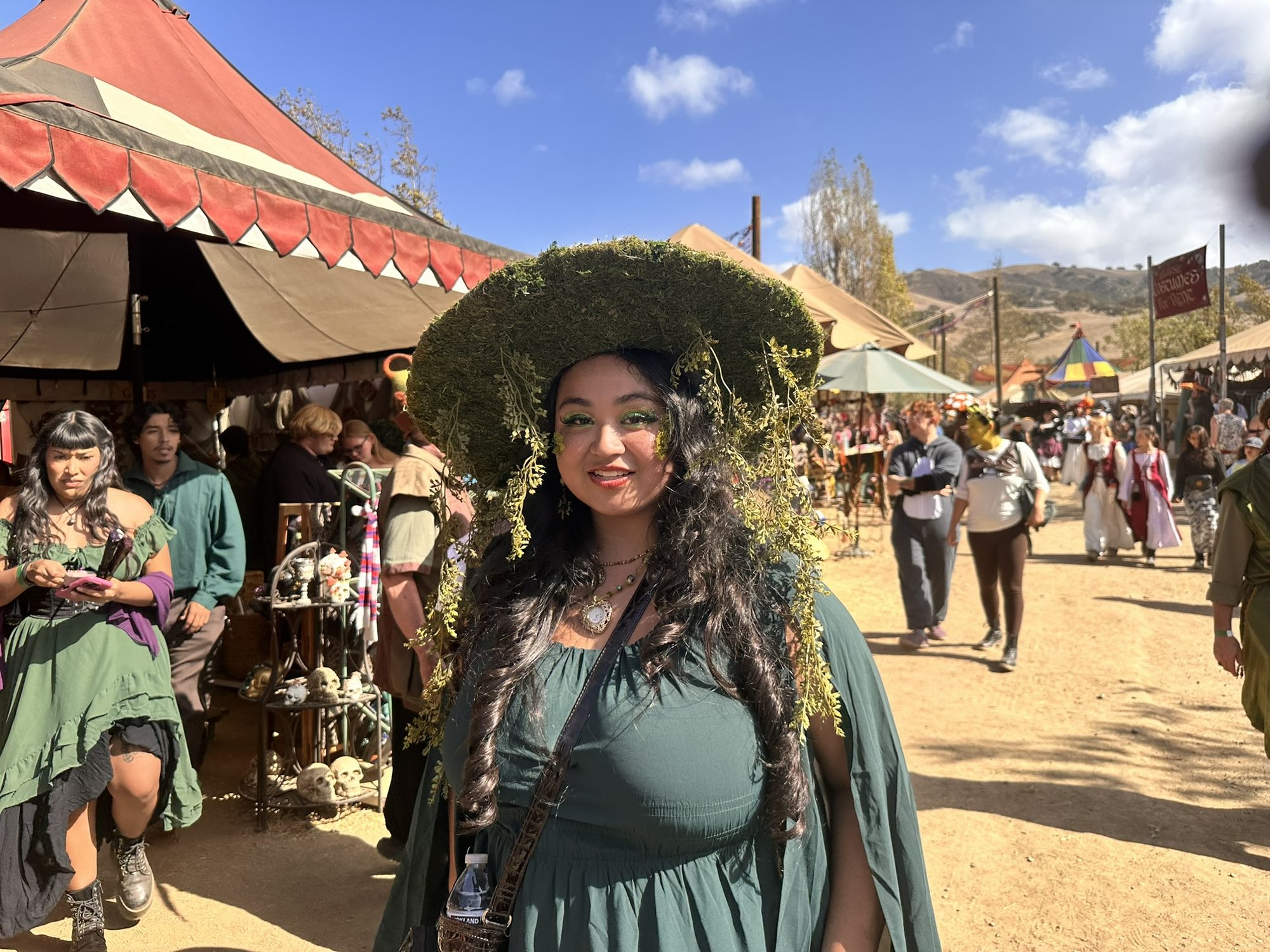
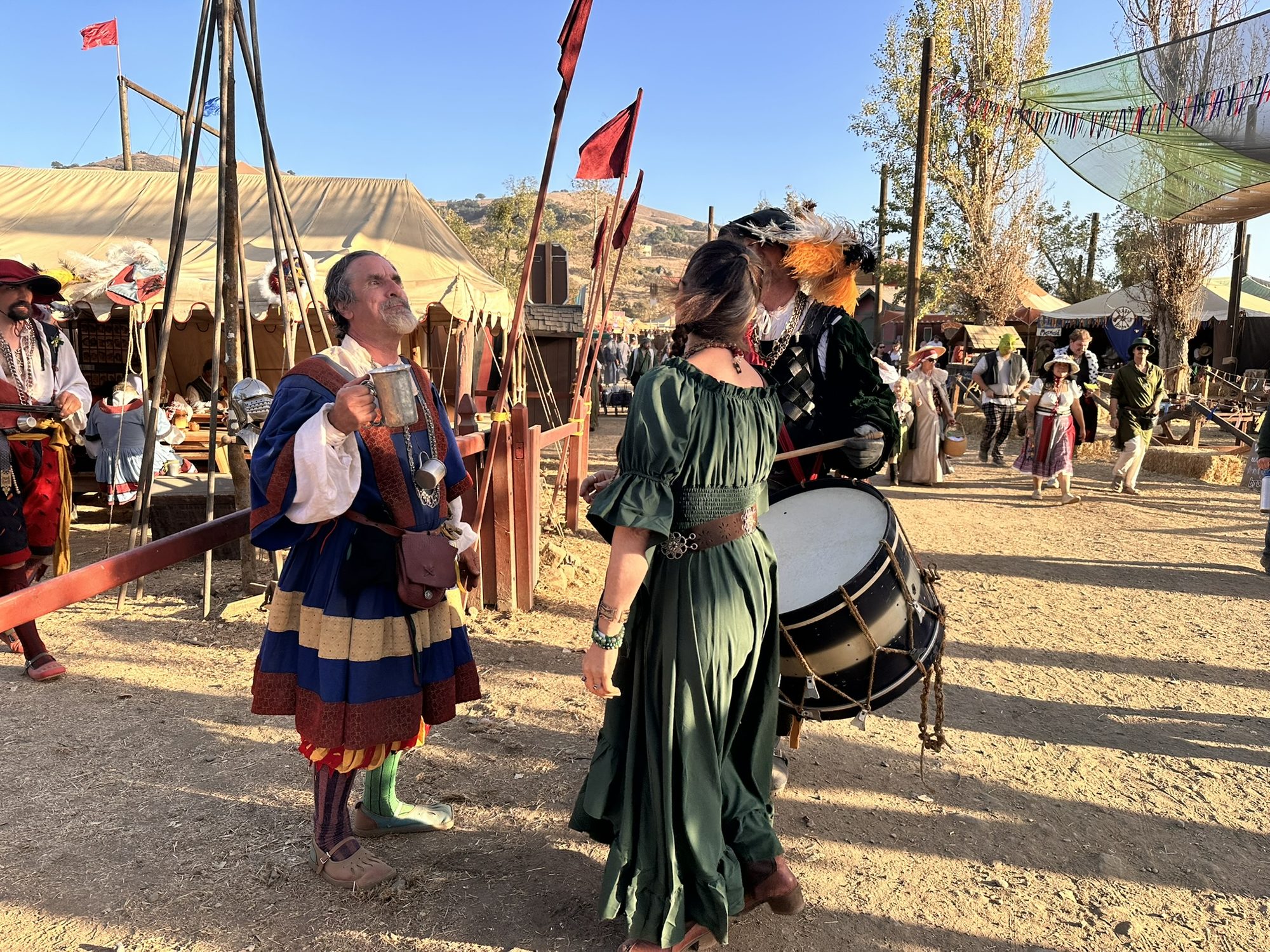
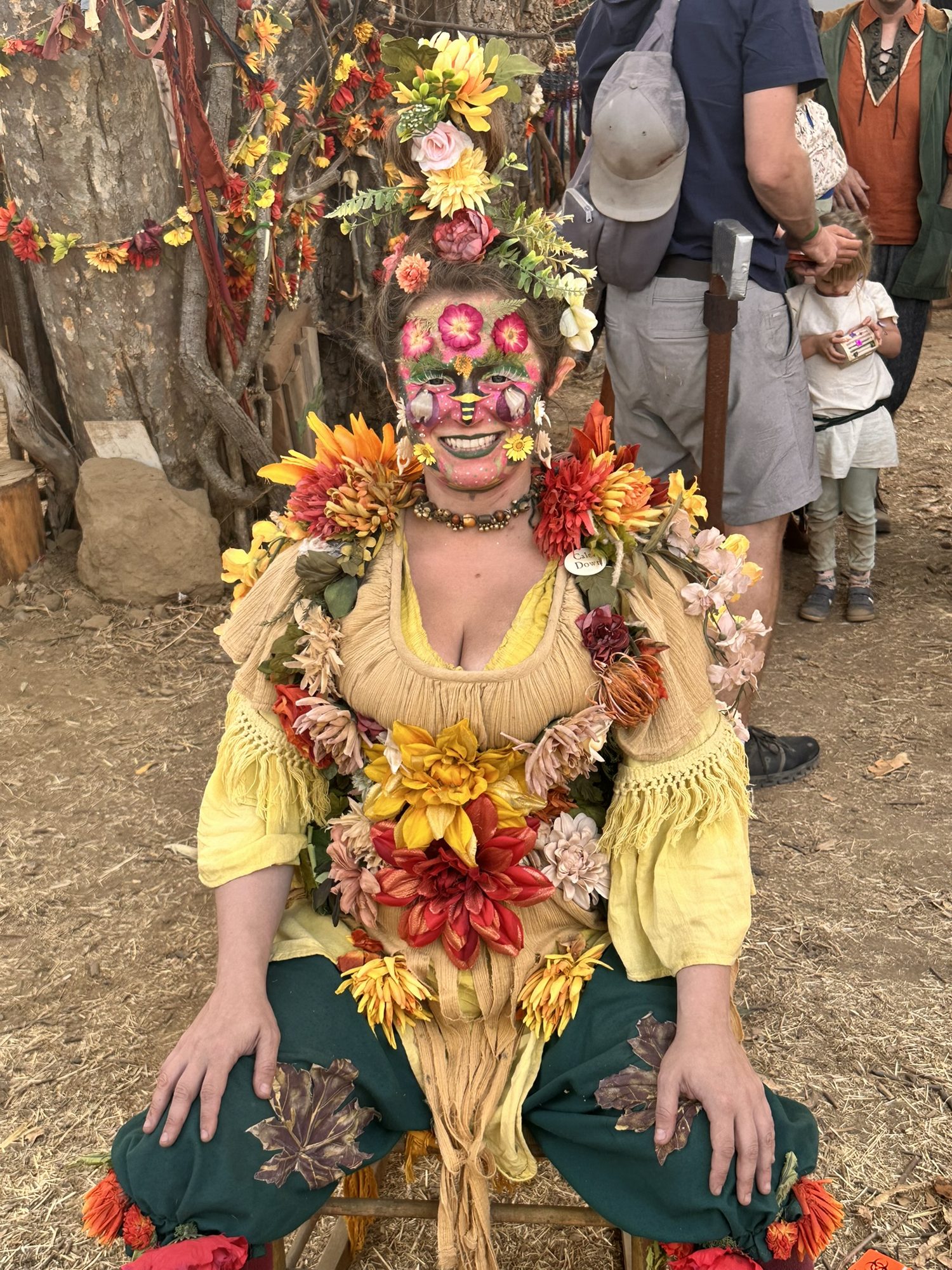
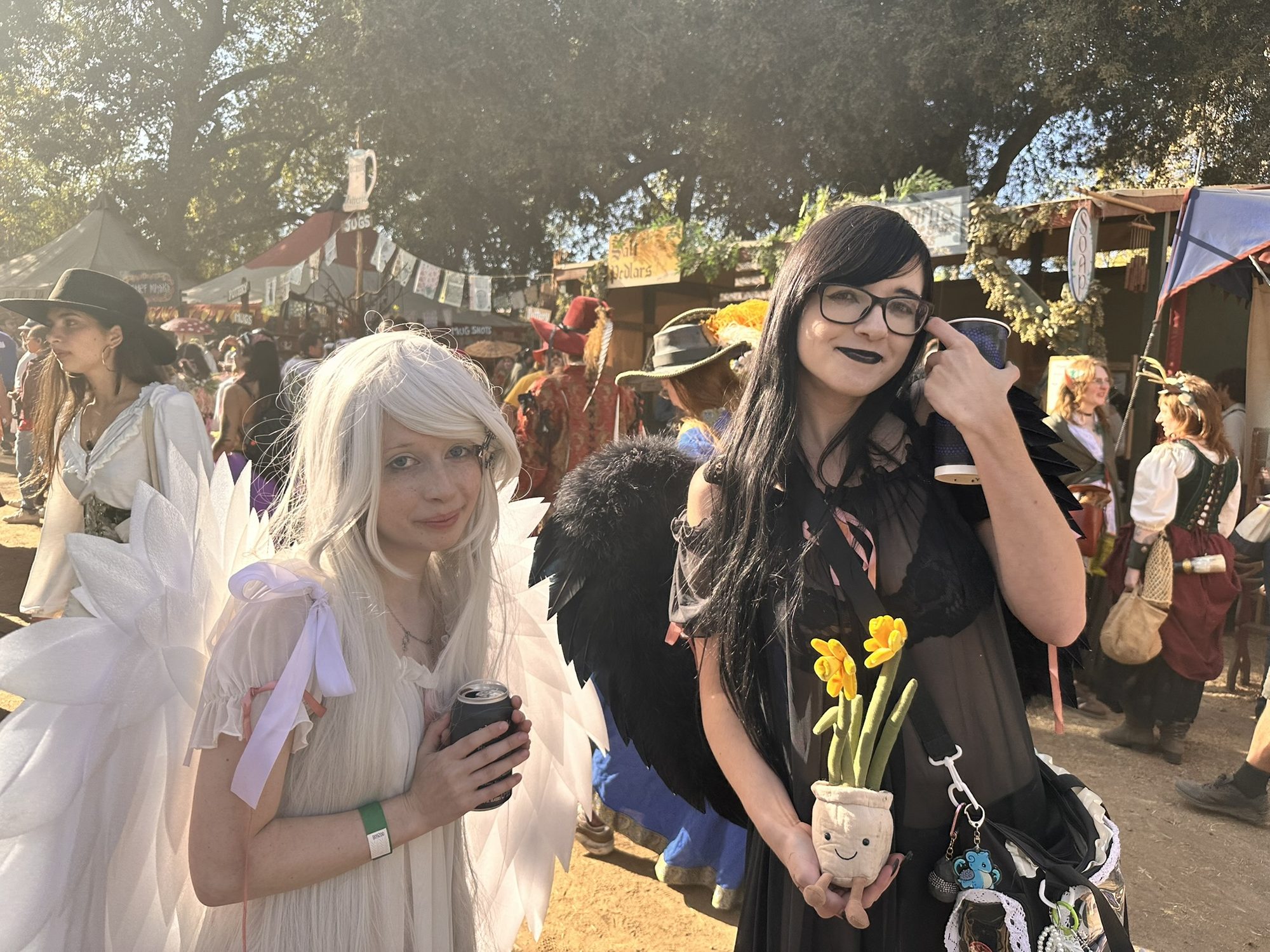
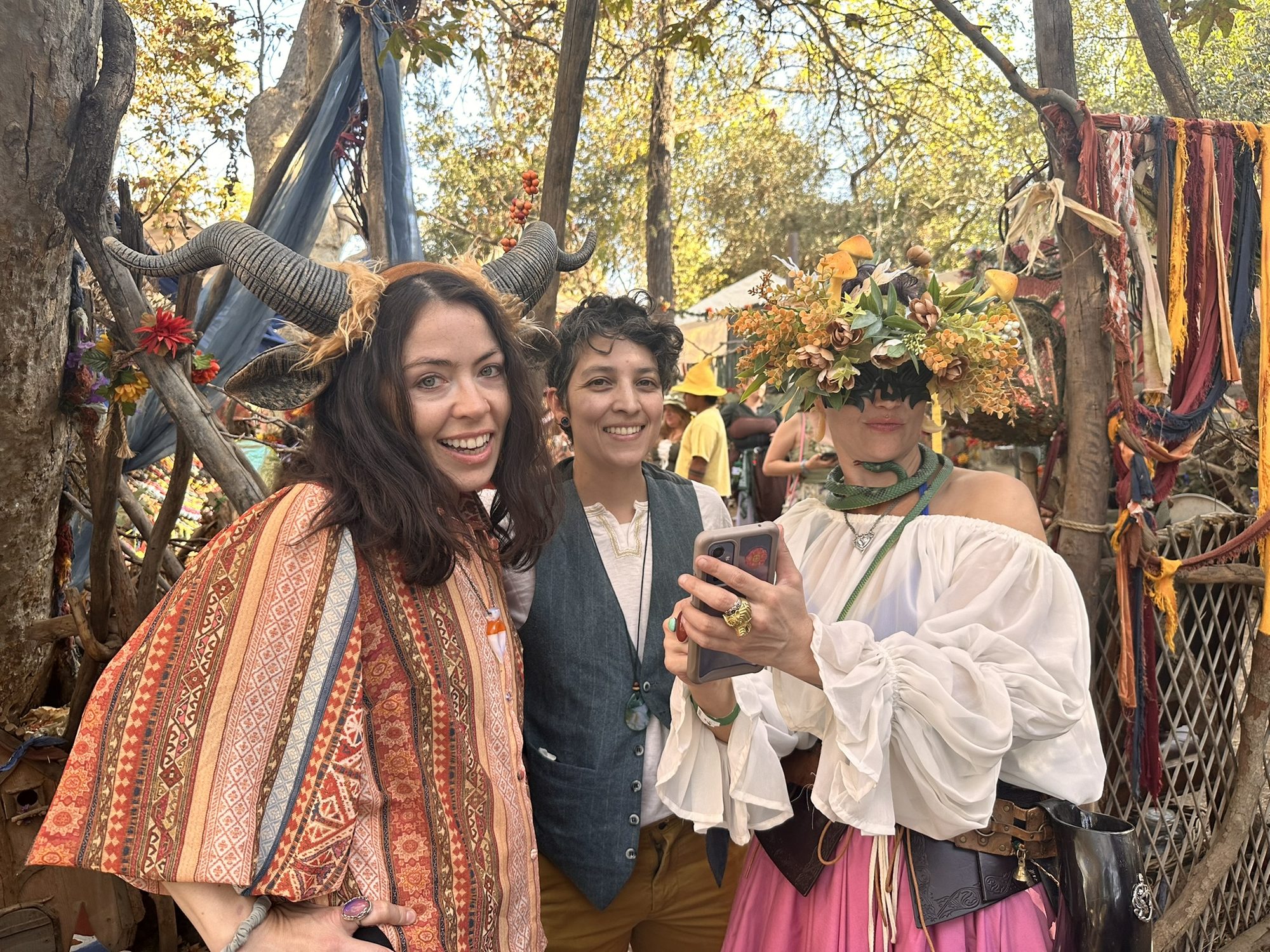
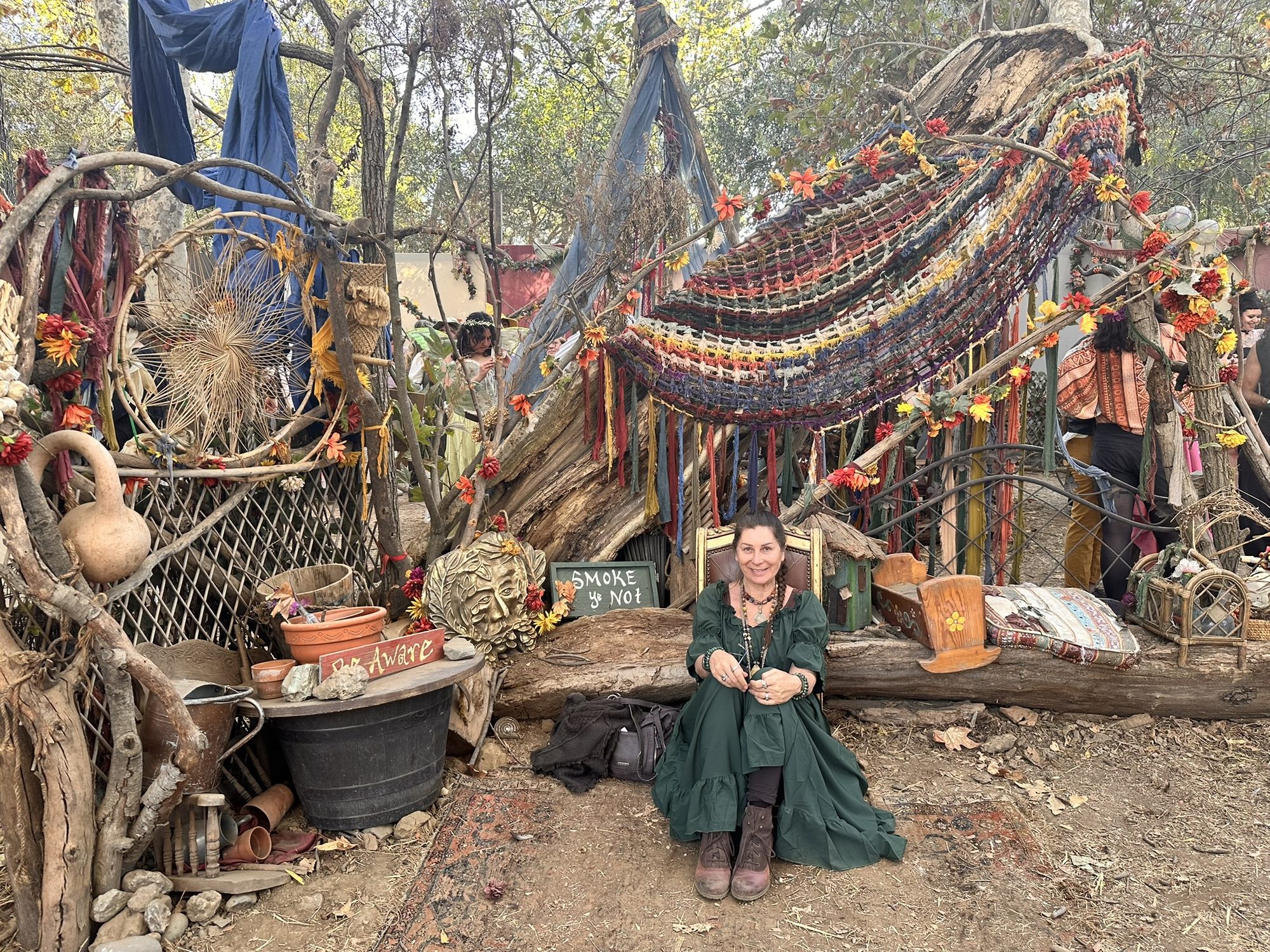
Mine was a bit more subdued to compared to most
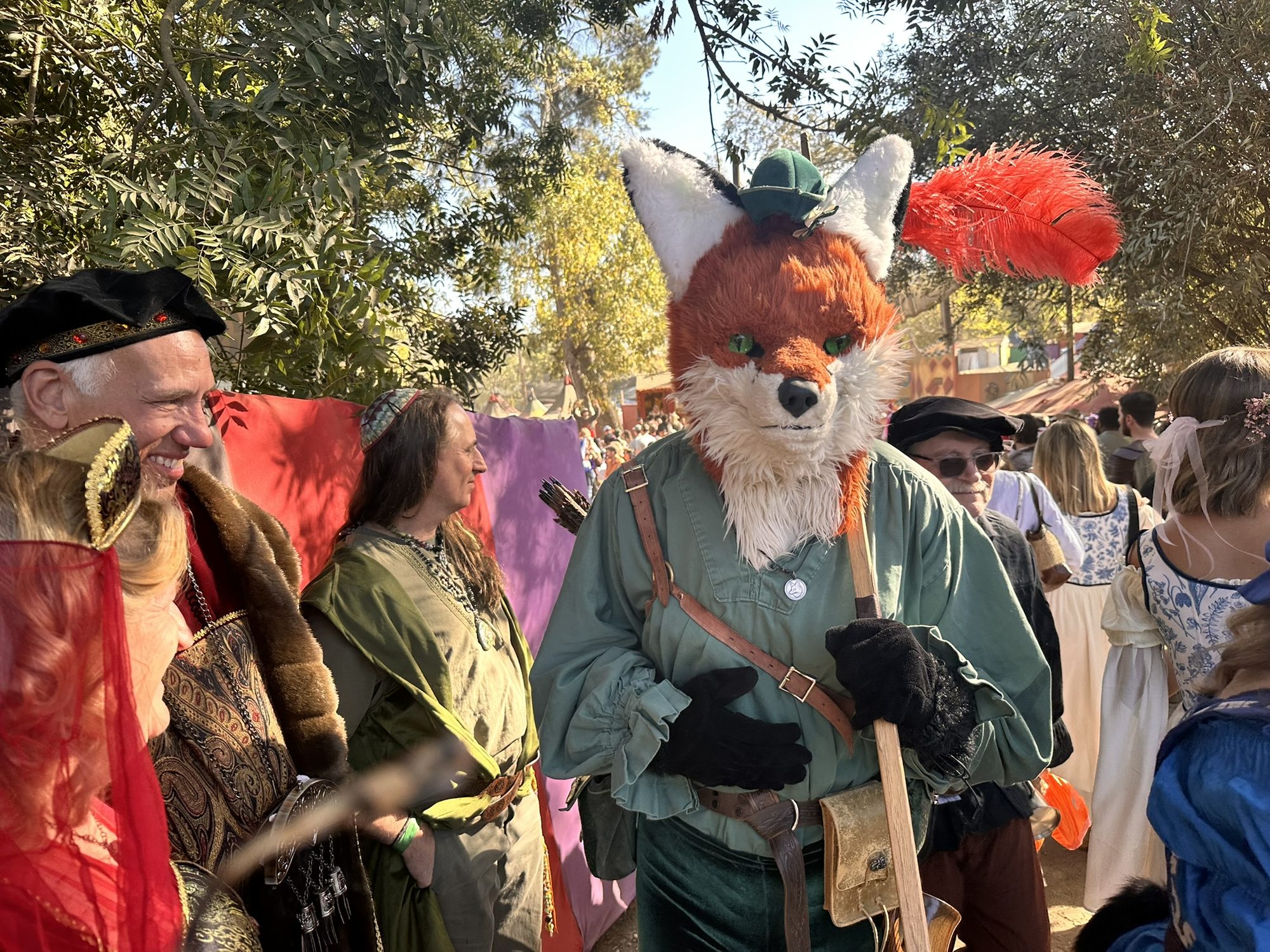
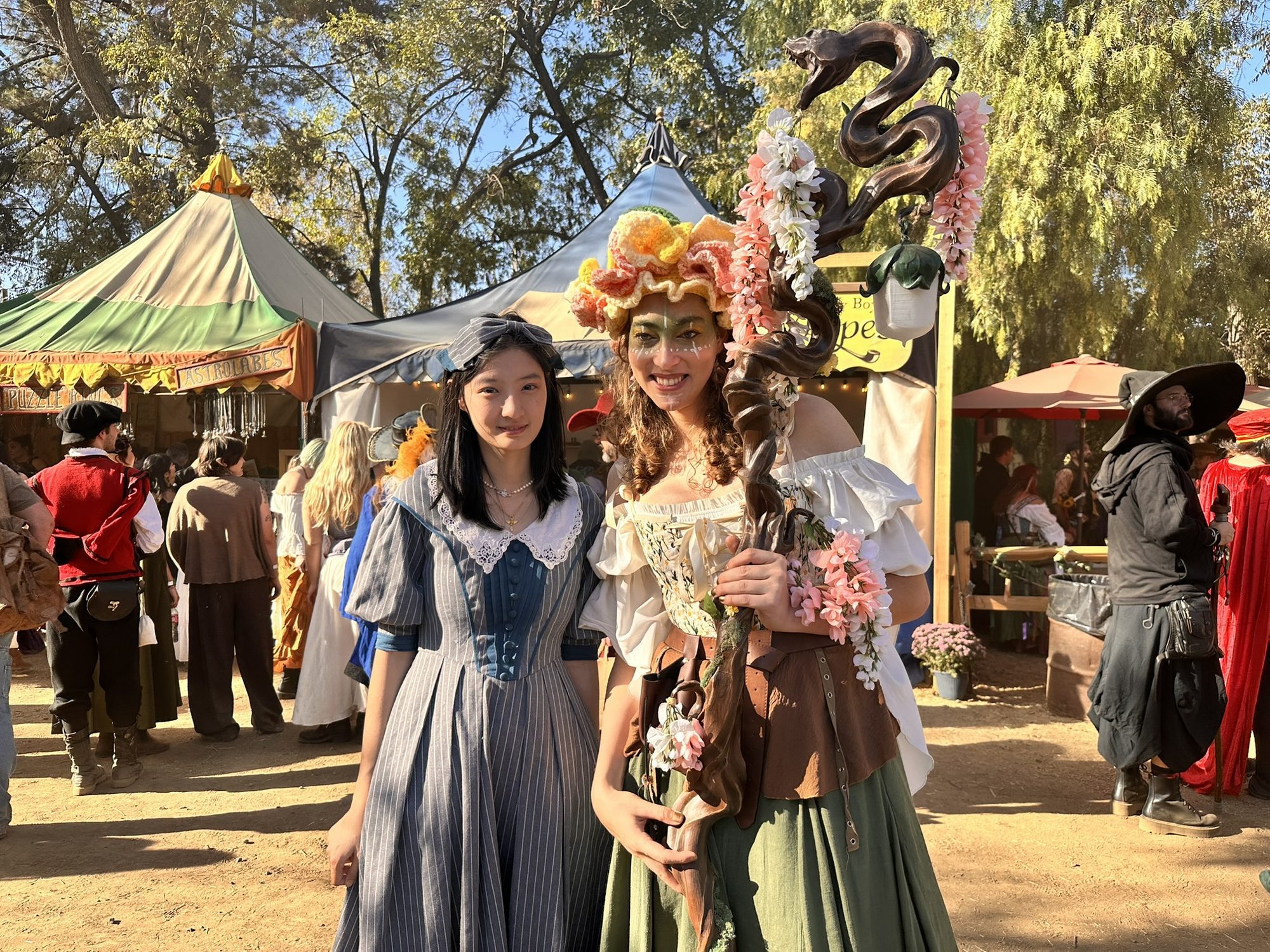
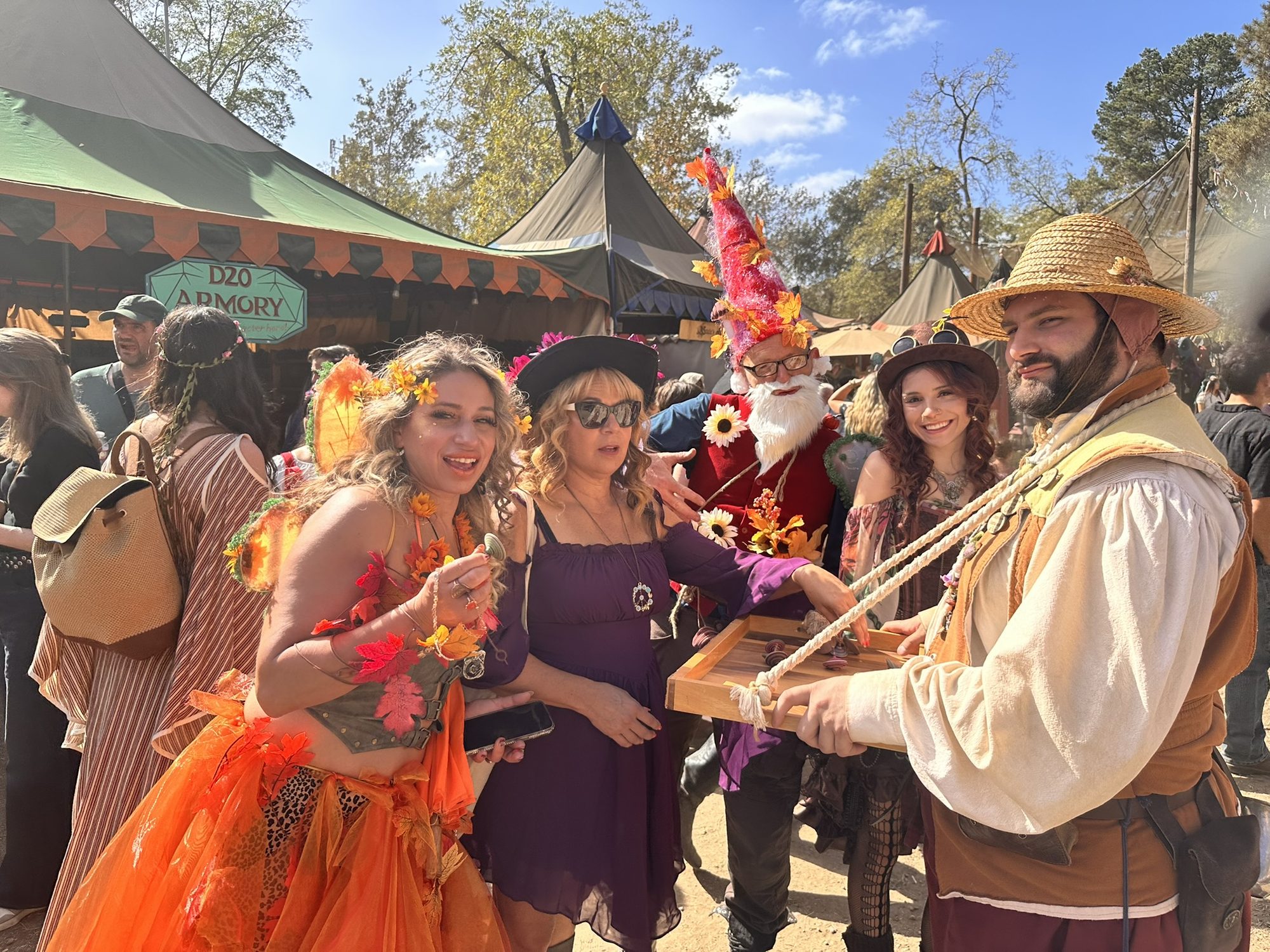
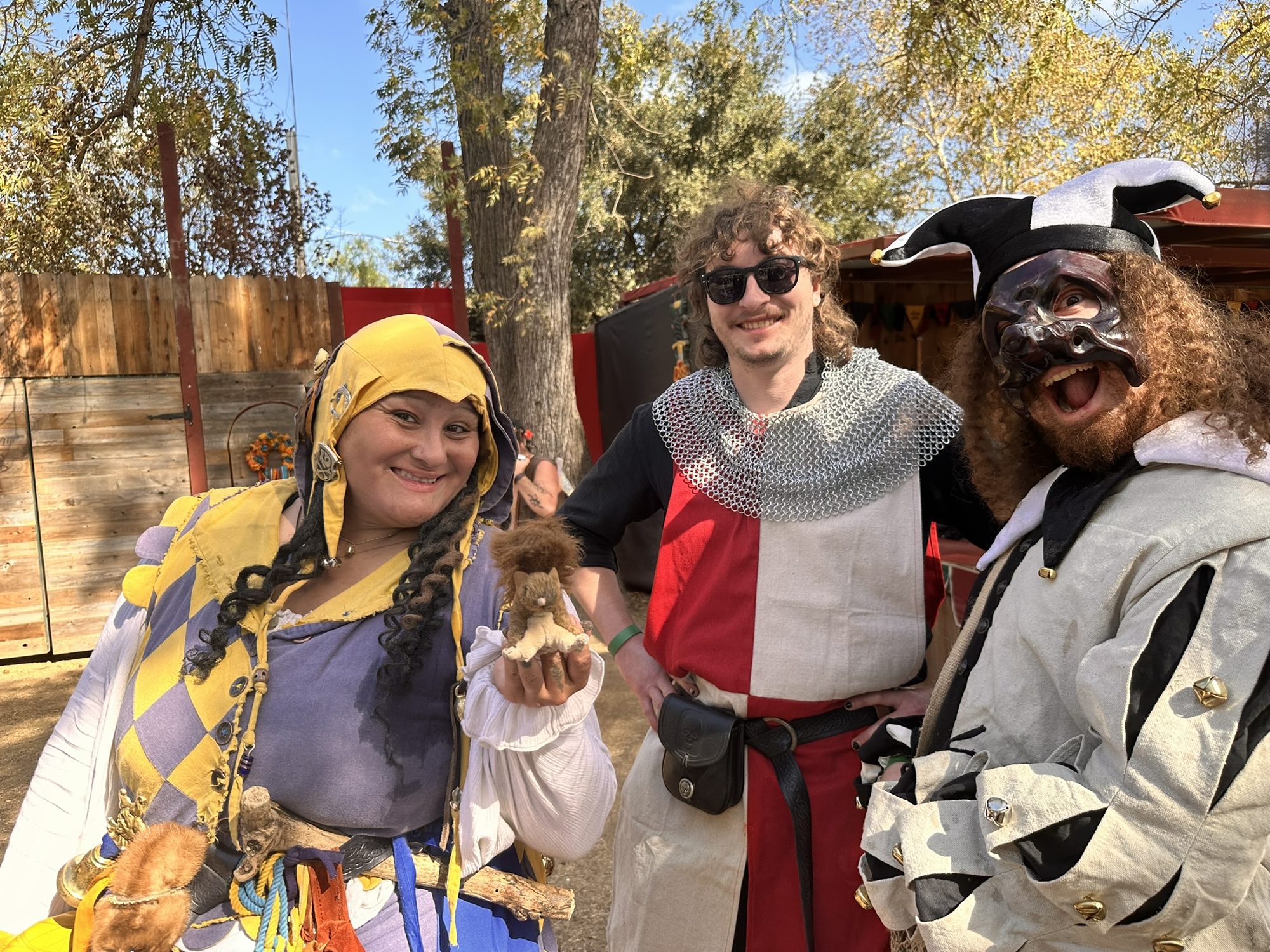
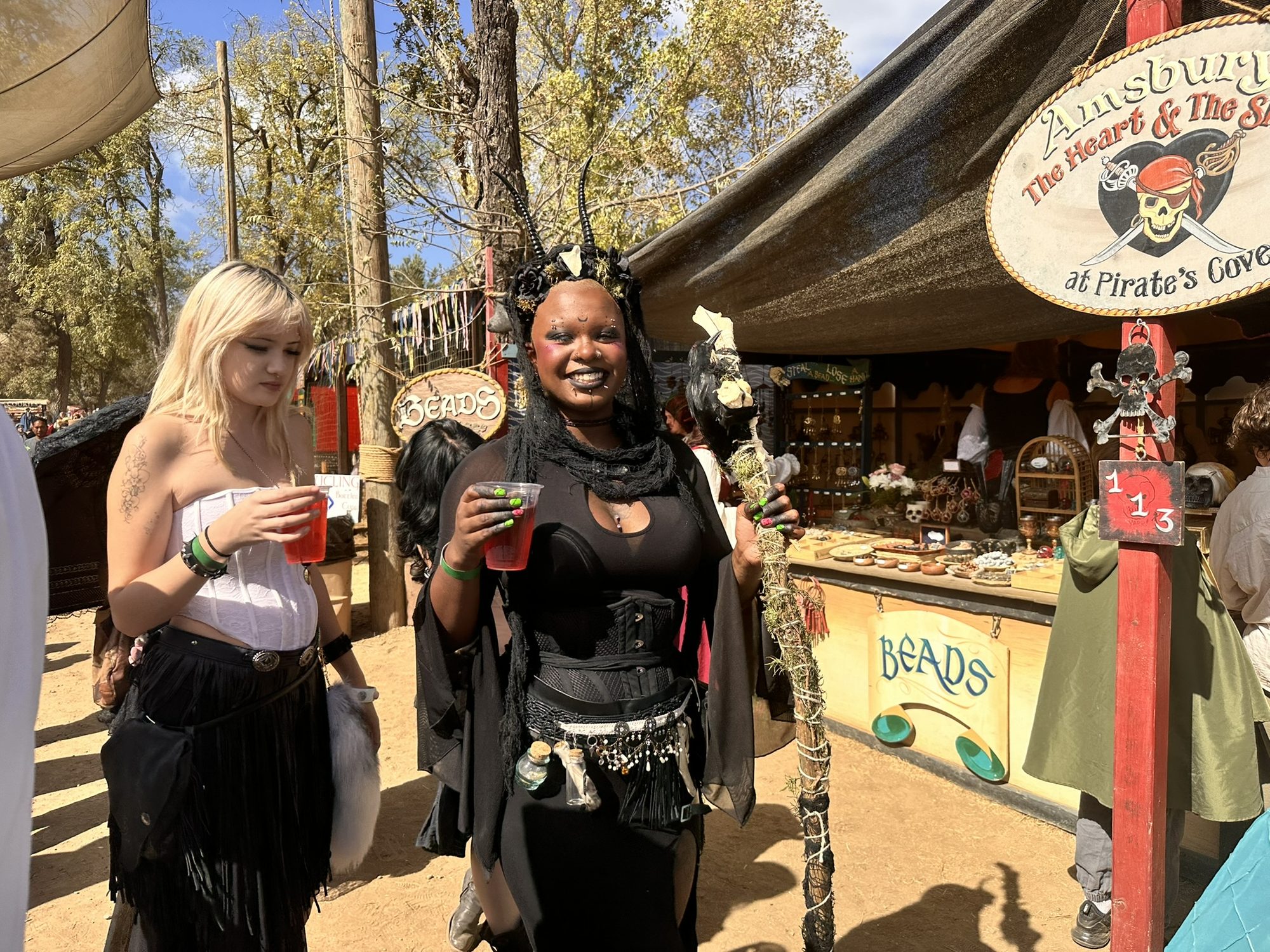
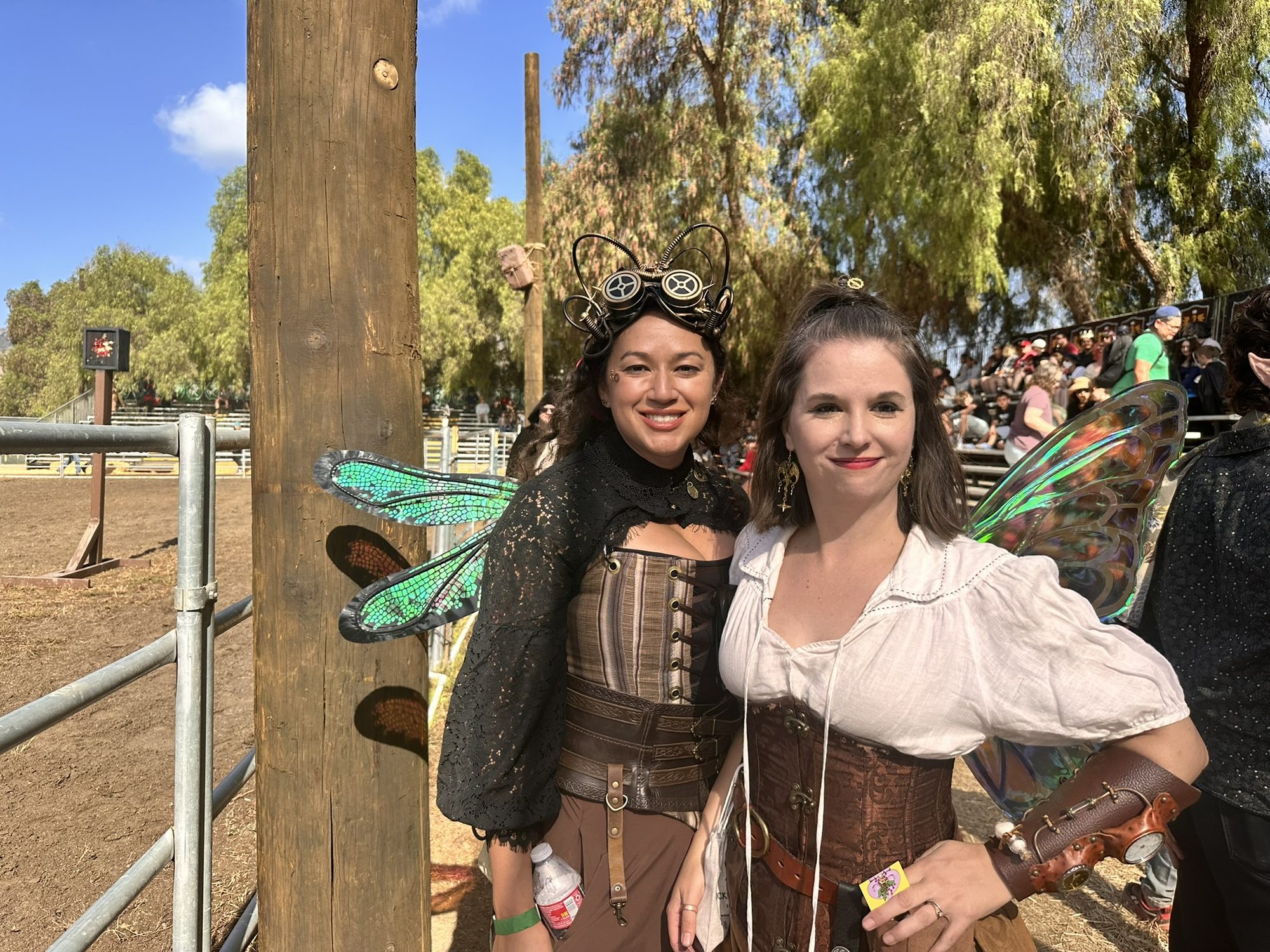
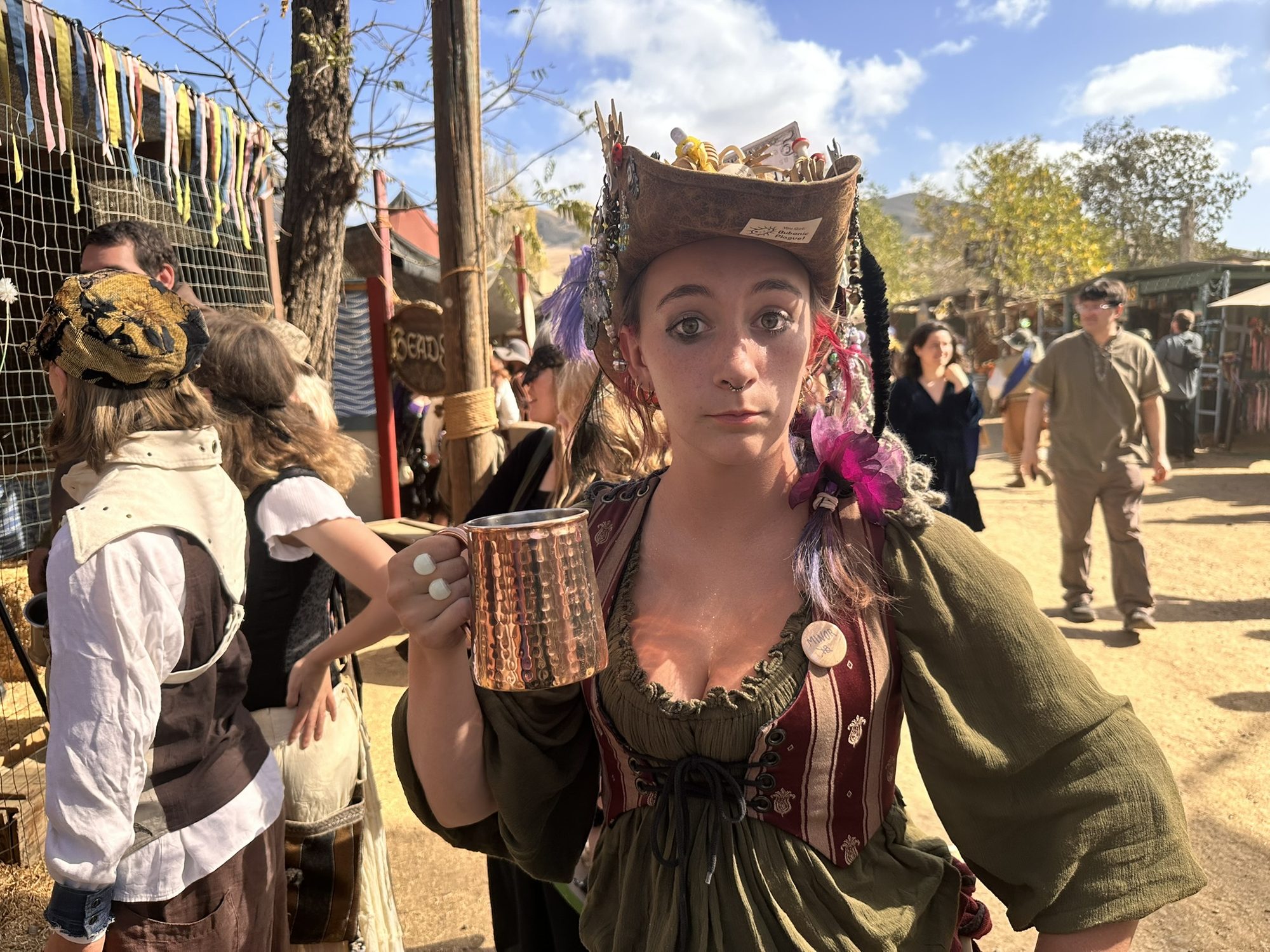
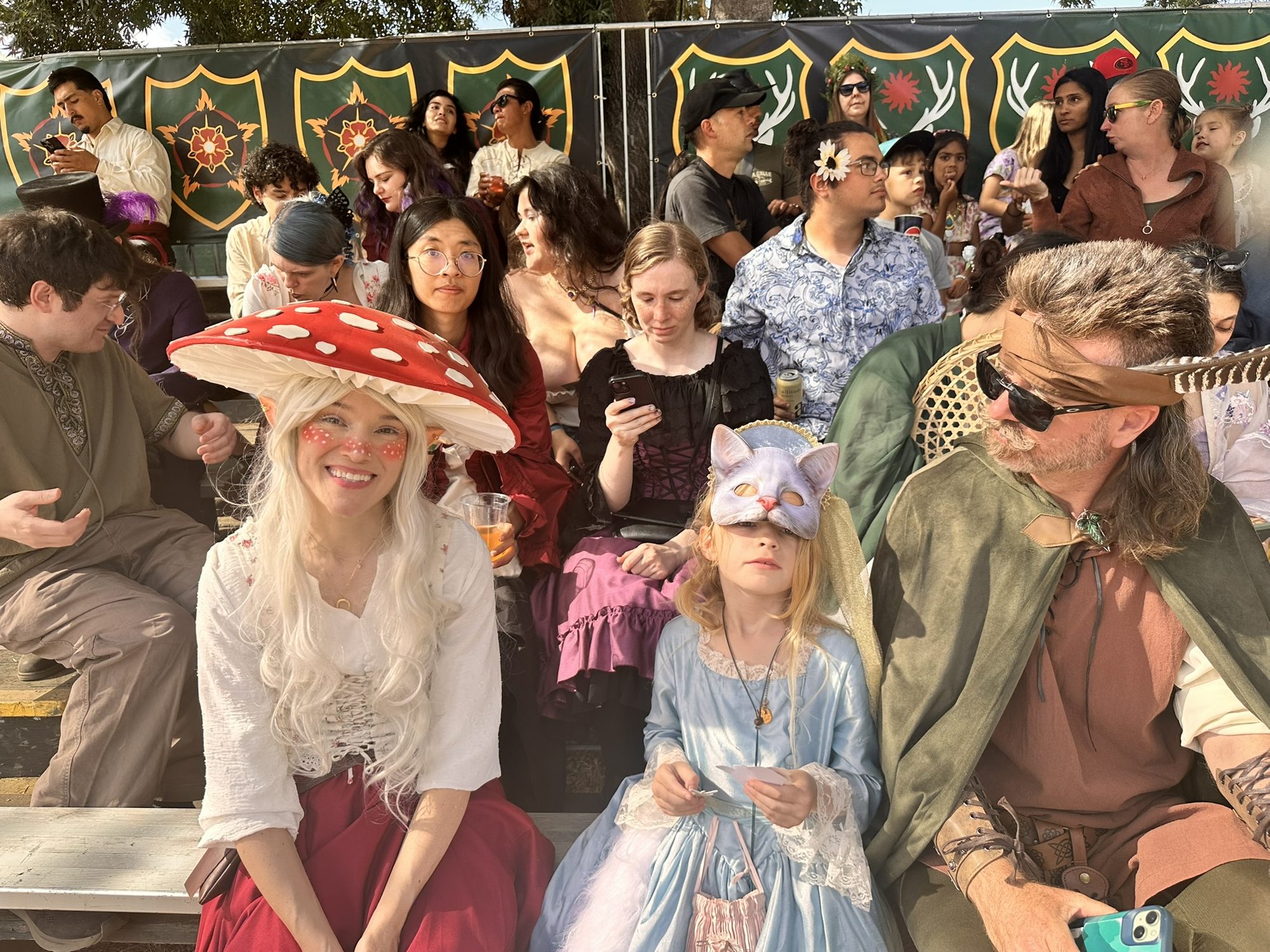
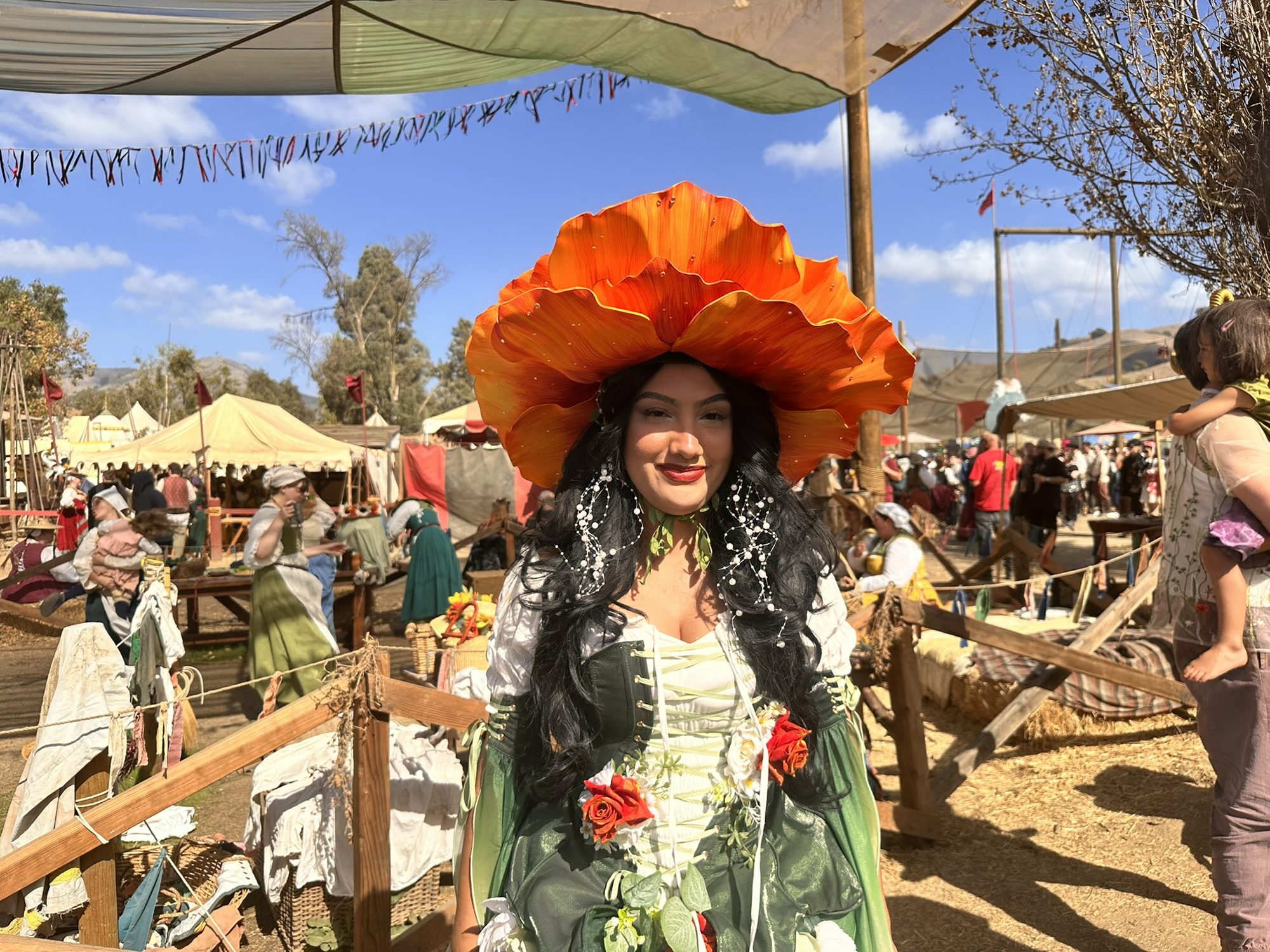
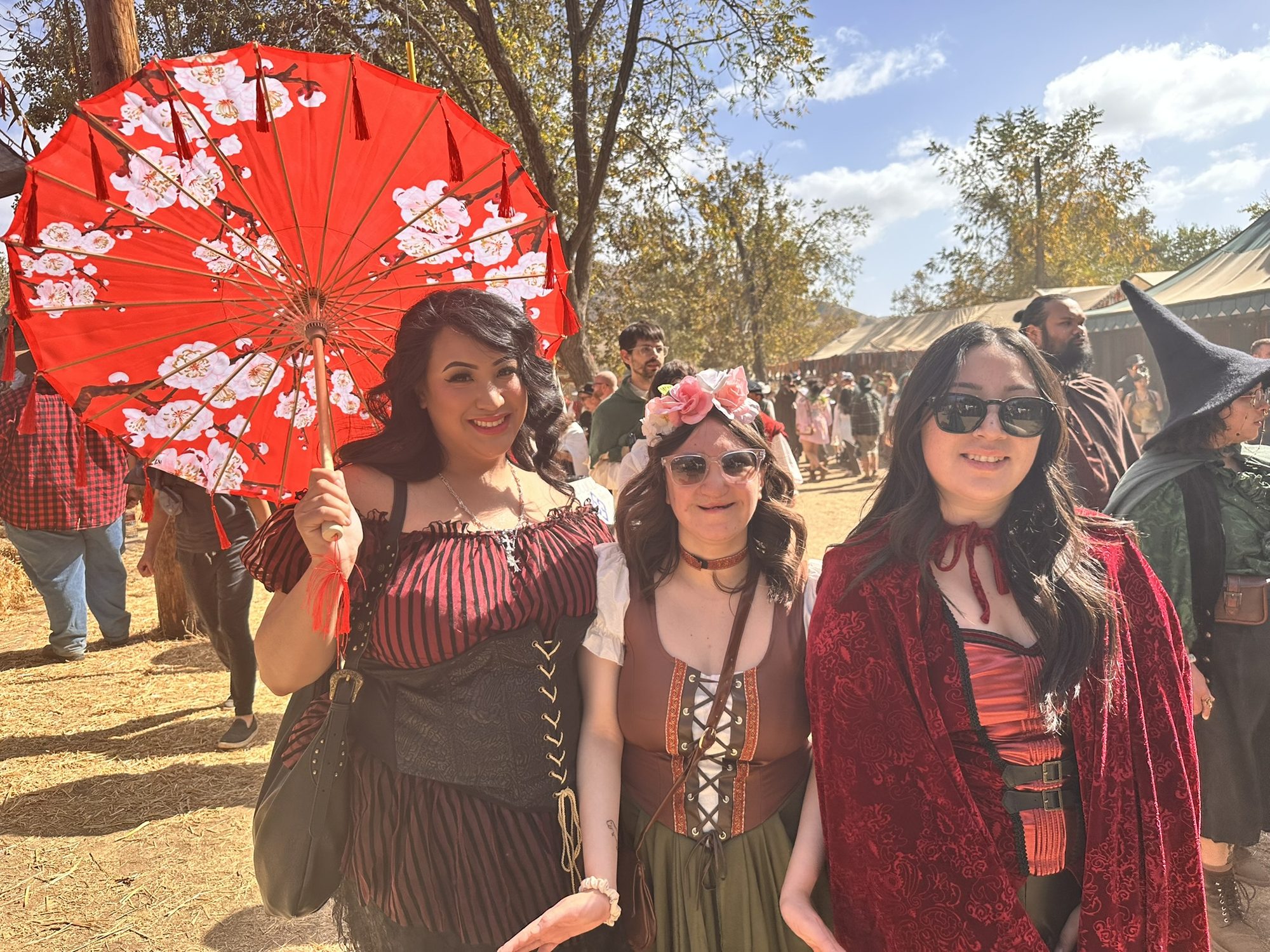
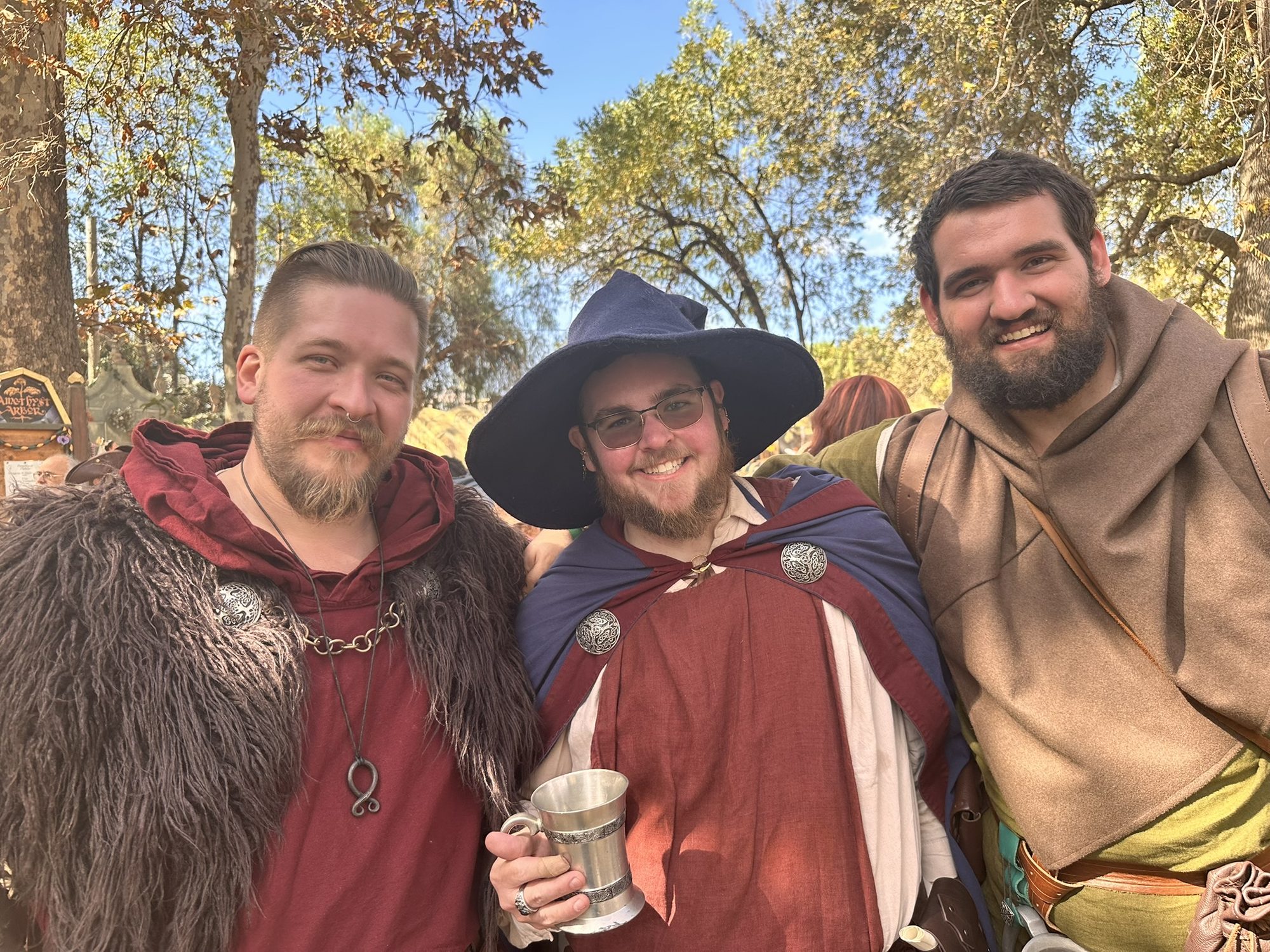
Below, some of the crafty activities you could partake in.
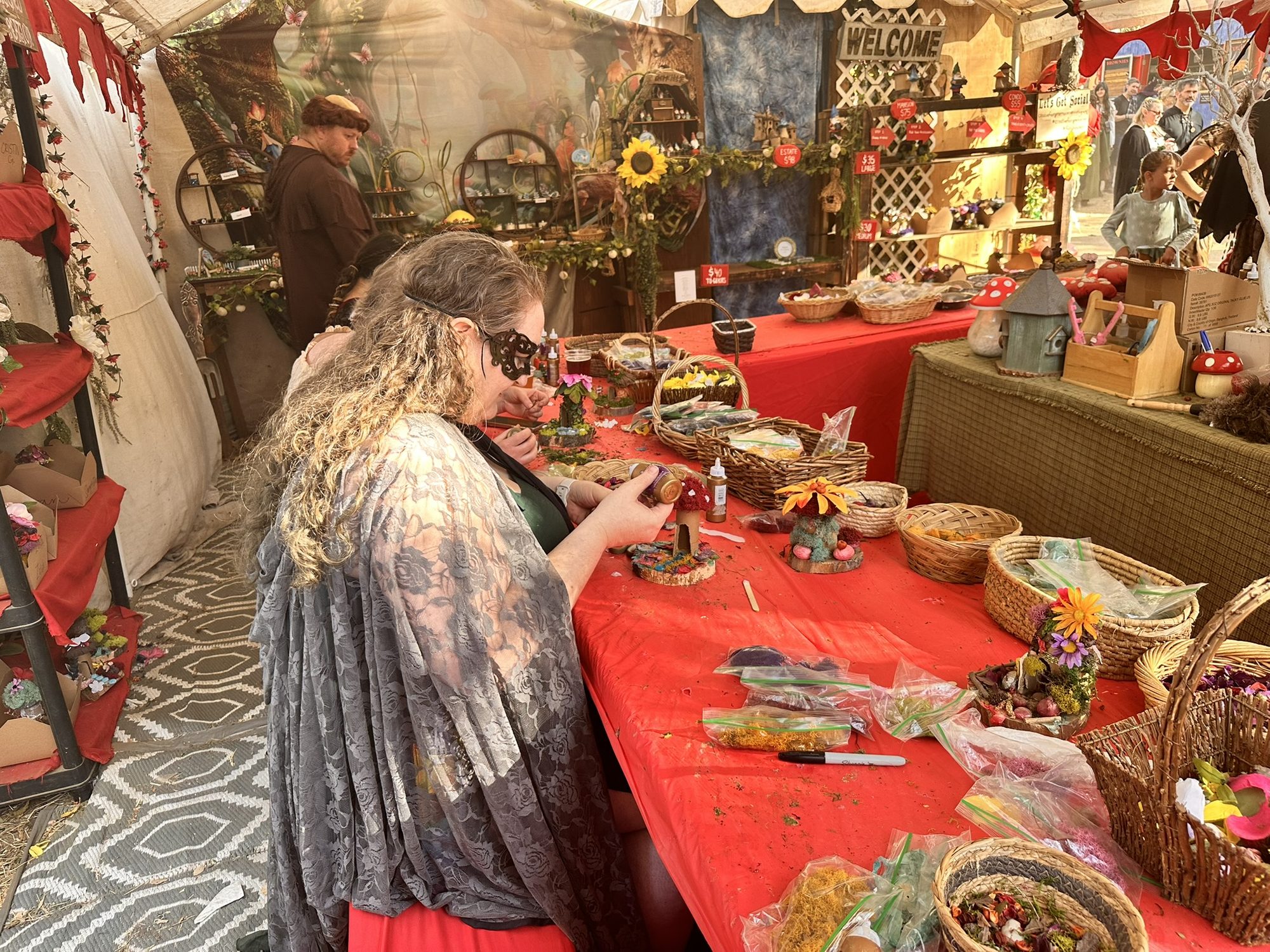
The Artisan Marketplace
For us, one of the pleasures of events like this is discovering the people who actually make things.
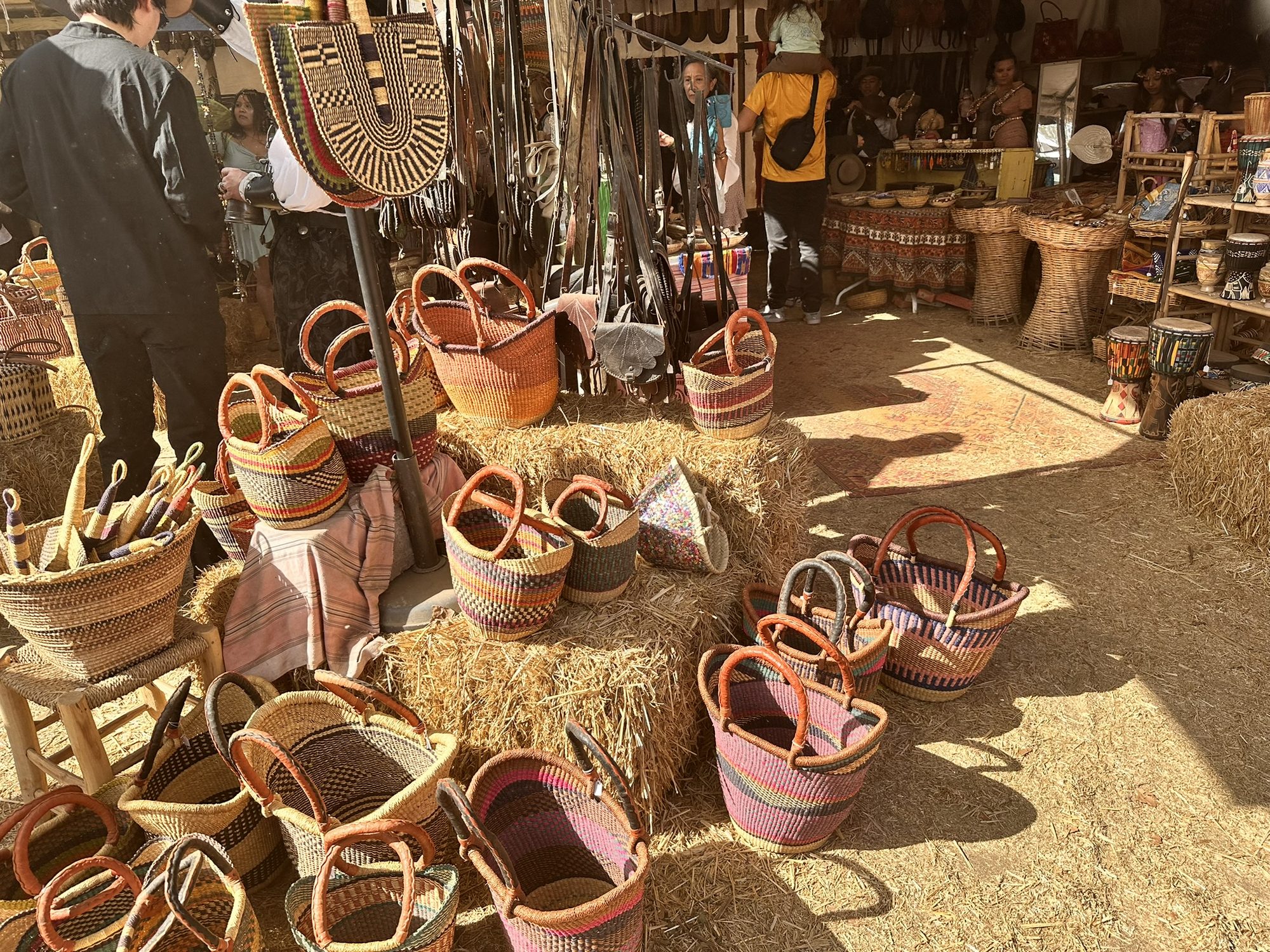
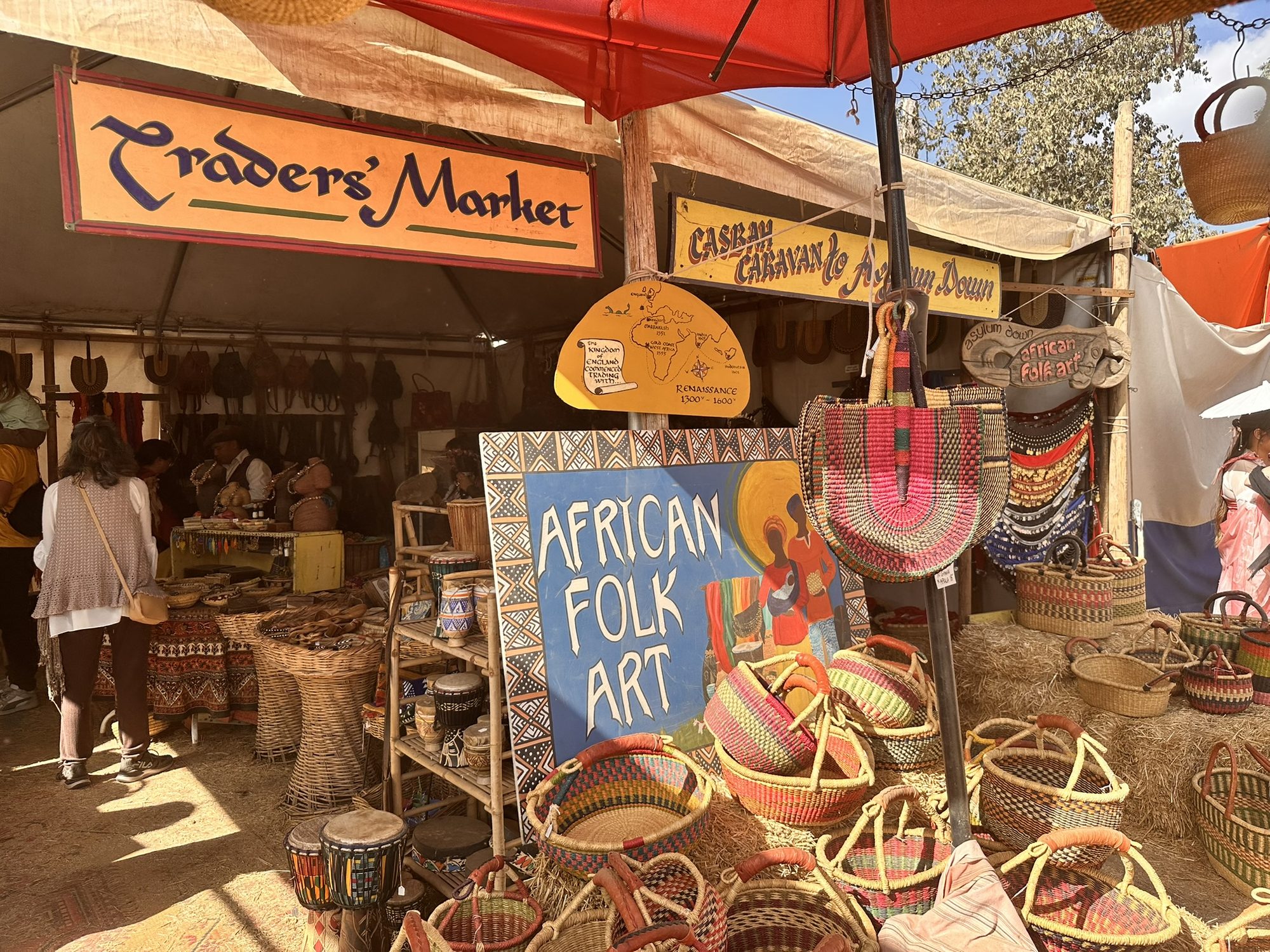
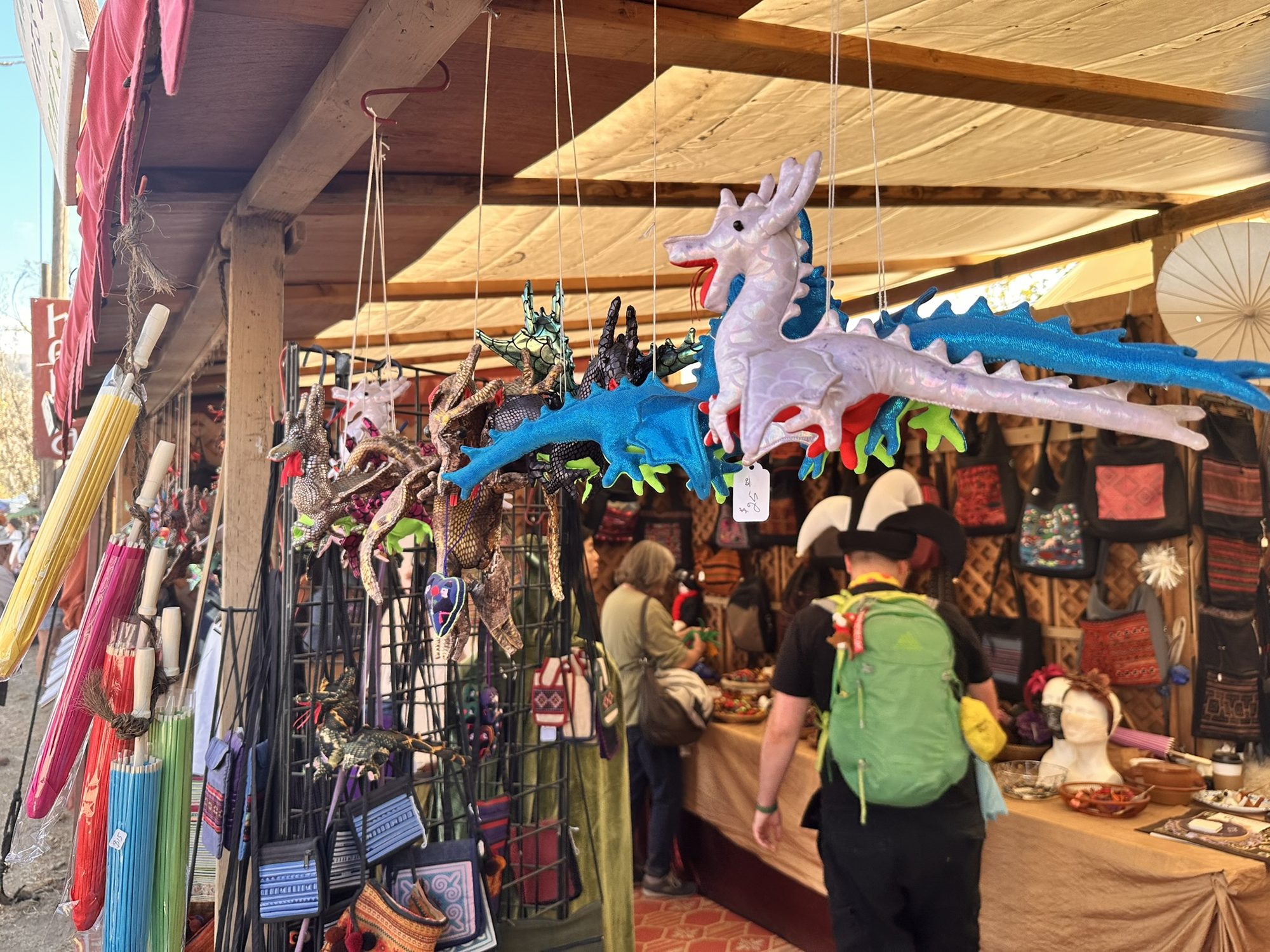
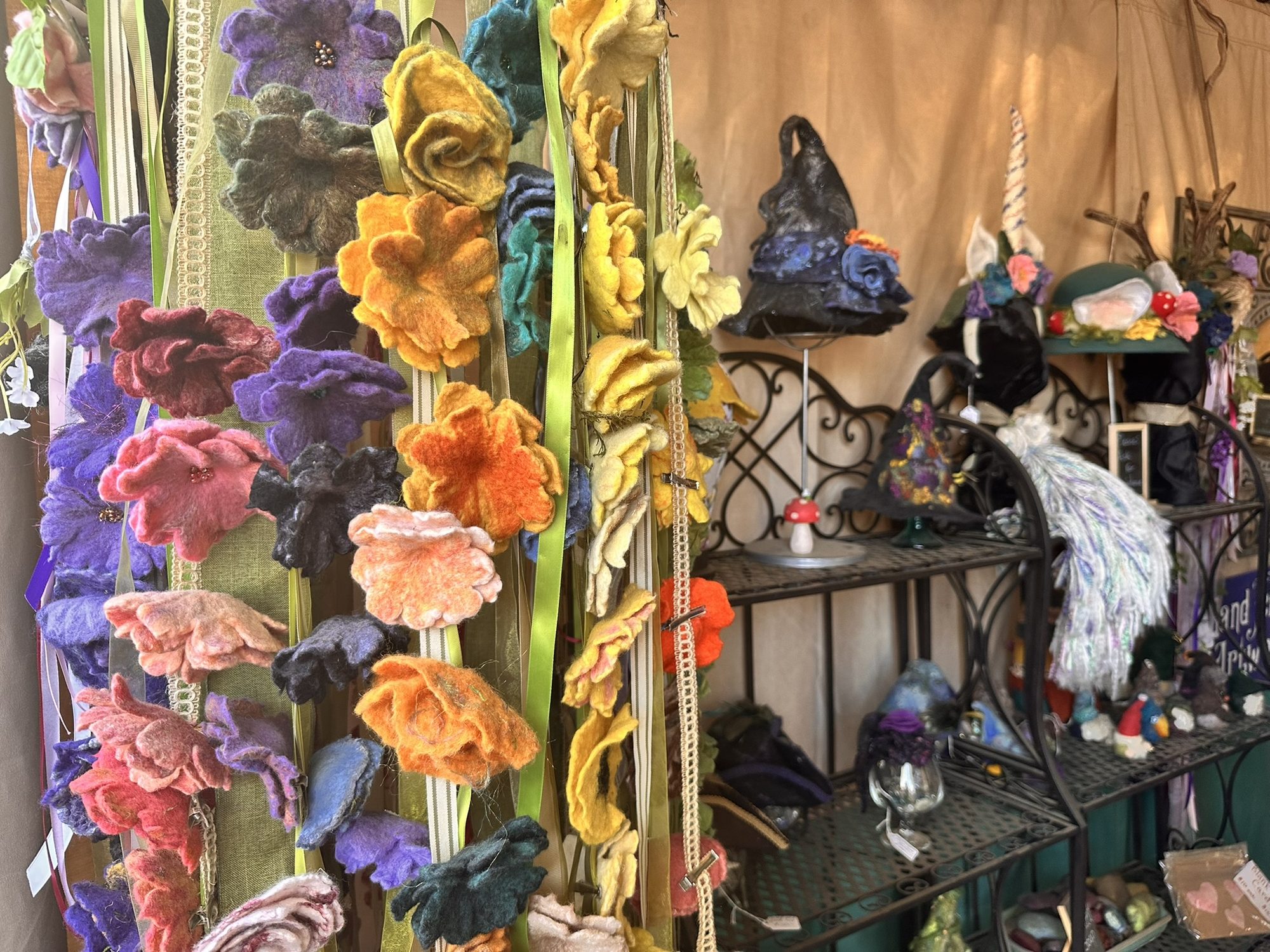
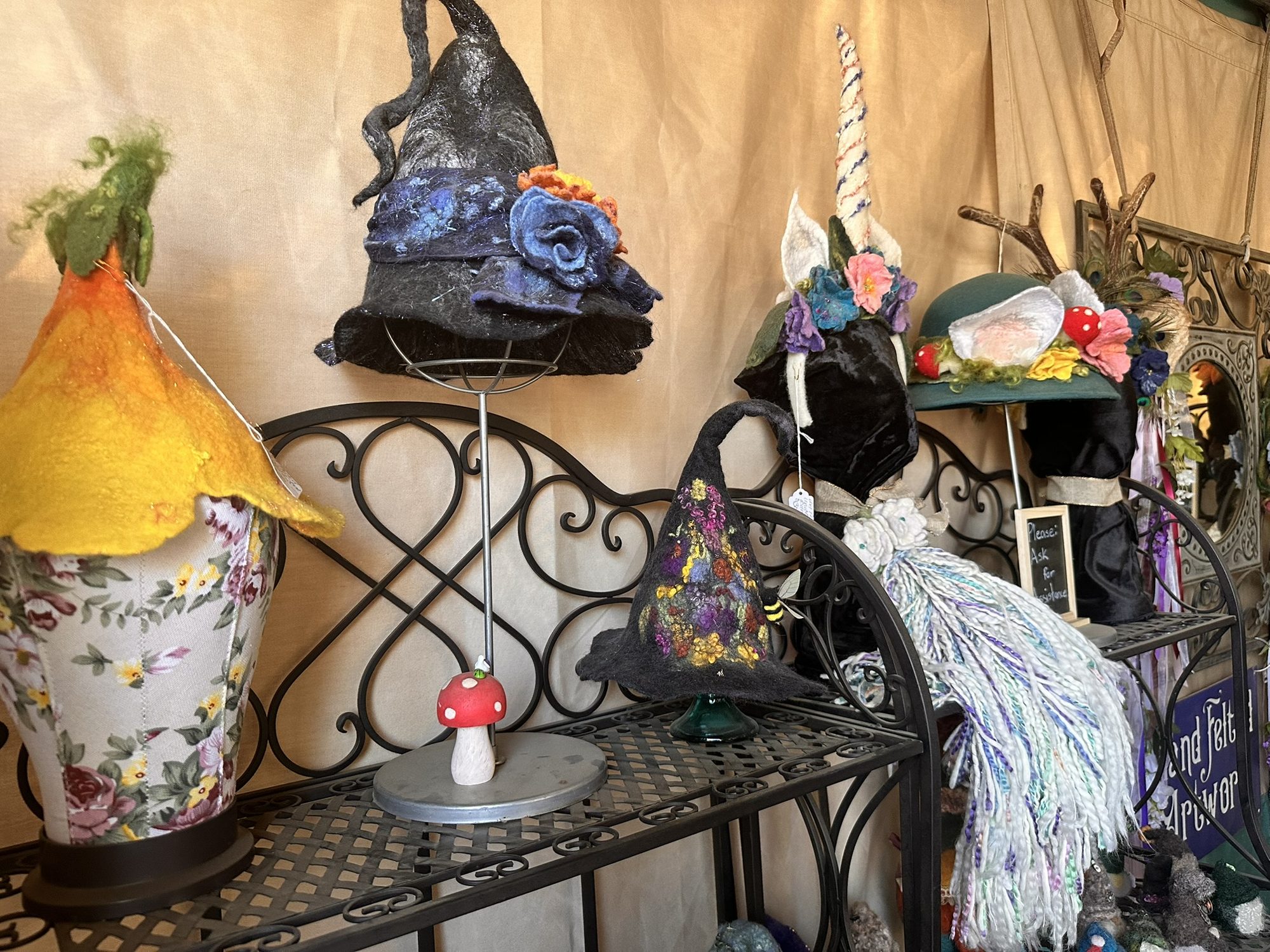
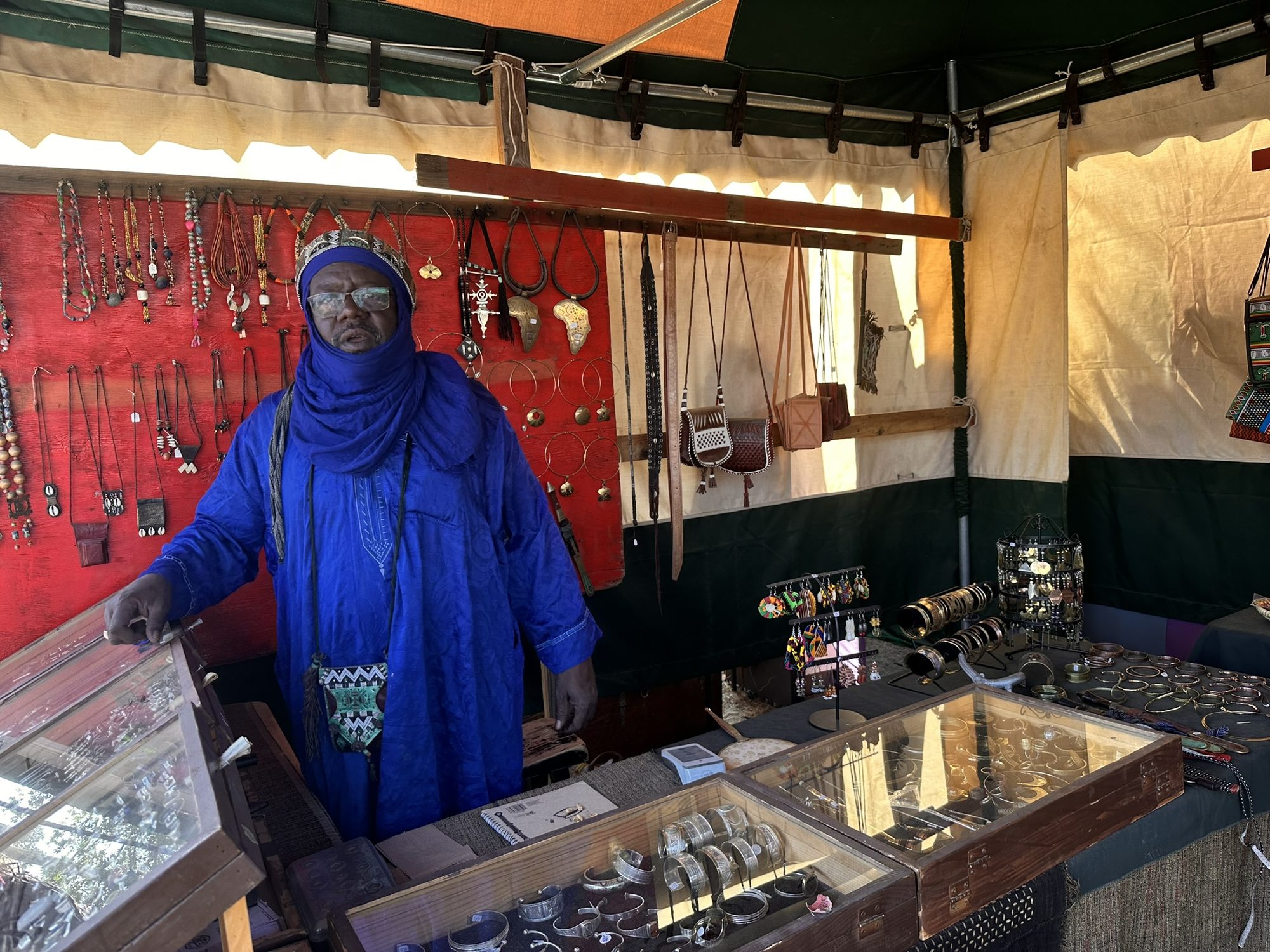
The October 10–11 Cottagecore weekend brought in a particularly eclectic group of guest artists, including ceramicists, leatherworkers, mask makers, jewelers, wand makers, textile artists and other small independent craftspeople. This weekend’s guest roster included artisans such as Forest Spirits Ceramics, Light Bodies Wands, Mad Zanni Masks, Inner Beast Leather, Stagsmith, Stone The Raven and others.
The marketplace helps distinguish the Faire from an ordinary festival. You aren’t simply moving between food stalls and entertainment stages; you’re stepping into a temporary village populated by makers.
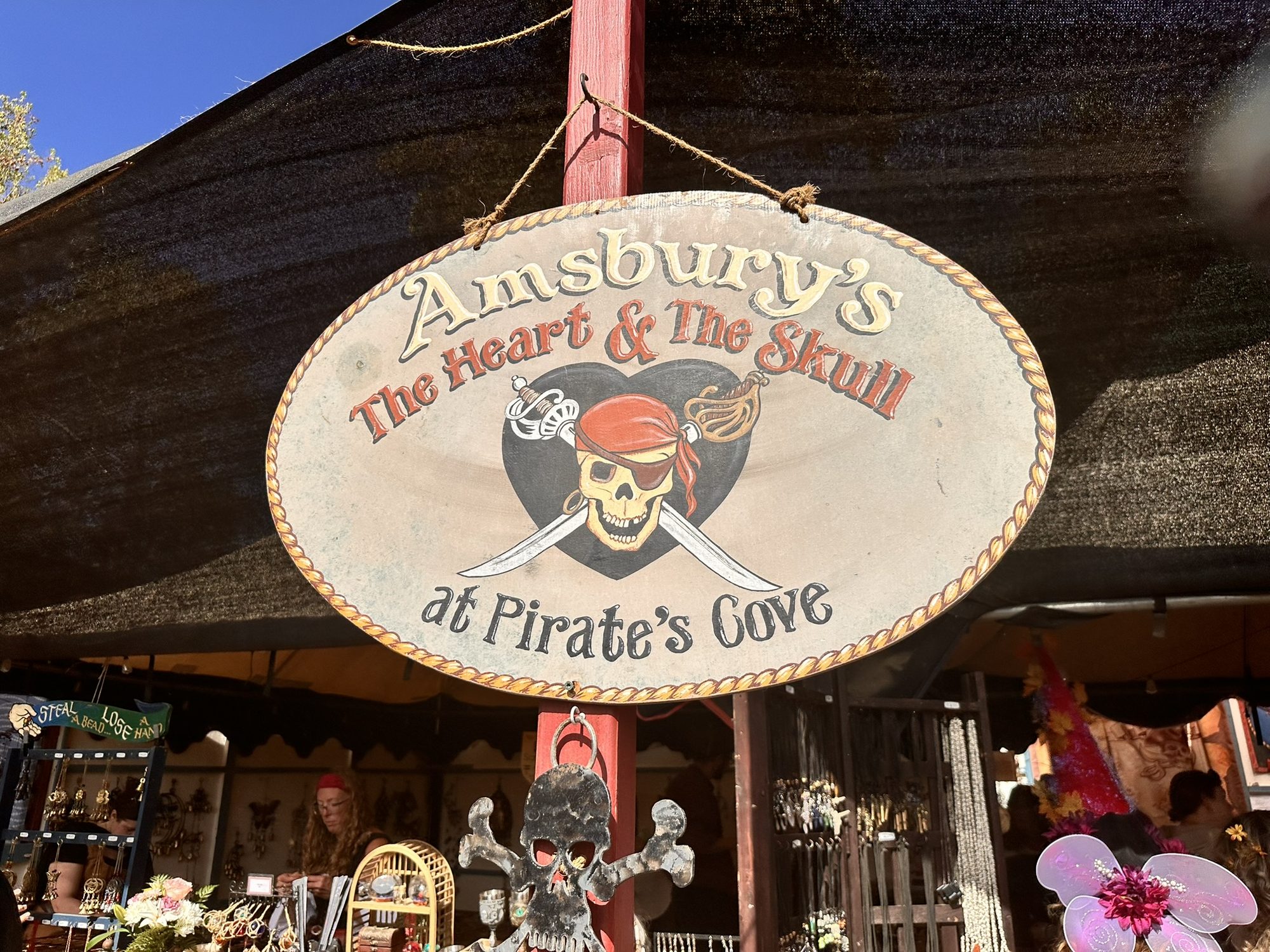
Handmade pottery sits beside leather goods. Jewelry shares space with fantastical masks and sculptural pieces. Costumes become increasingly elaborate as the day unfolds, and visitors themselves begin to feel like part of the scenery.
That sense of participation is important because you don’t really just watch a Renaissance Faire. You enter it.
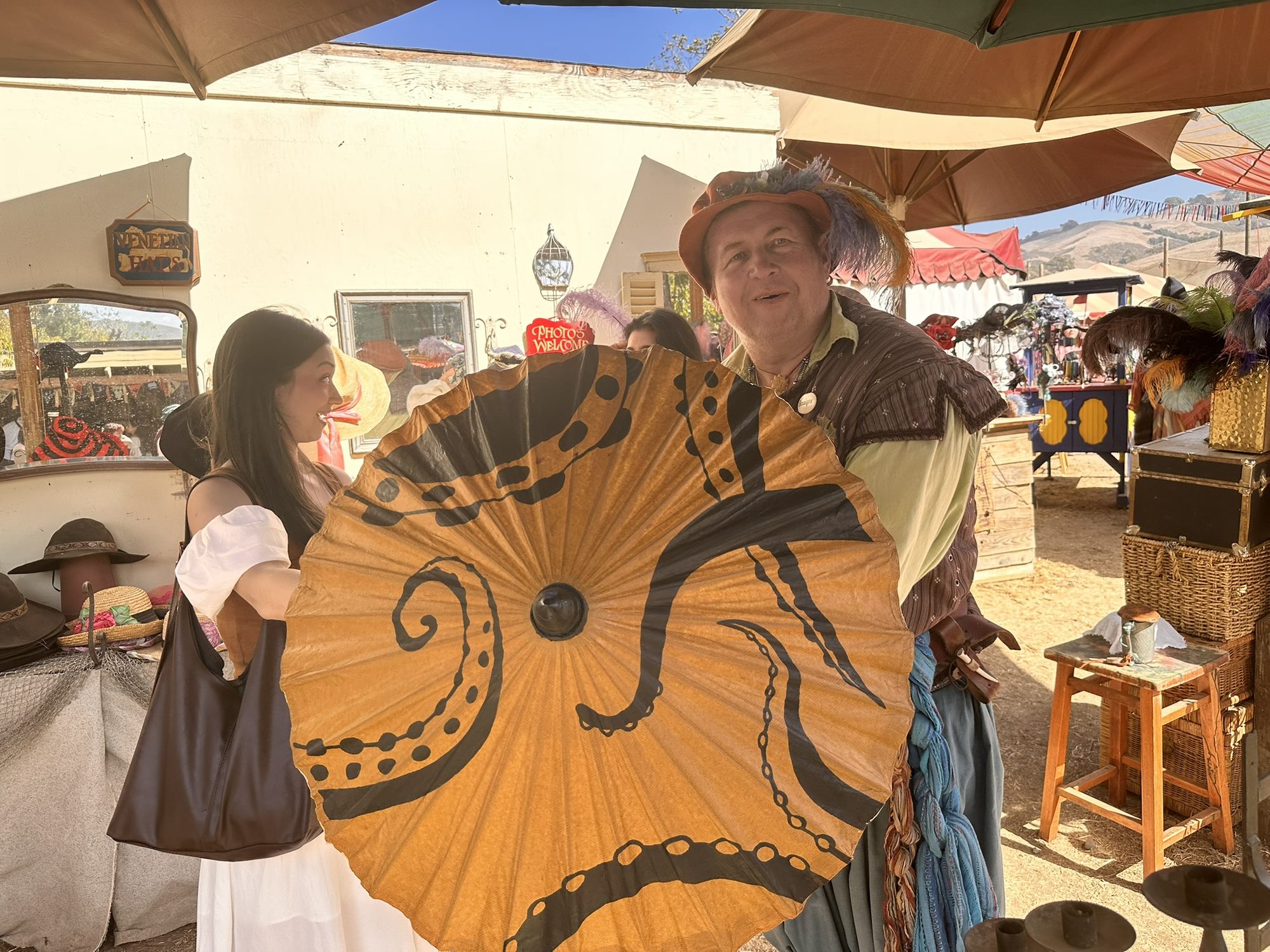
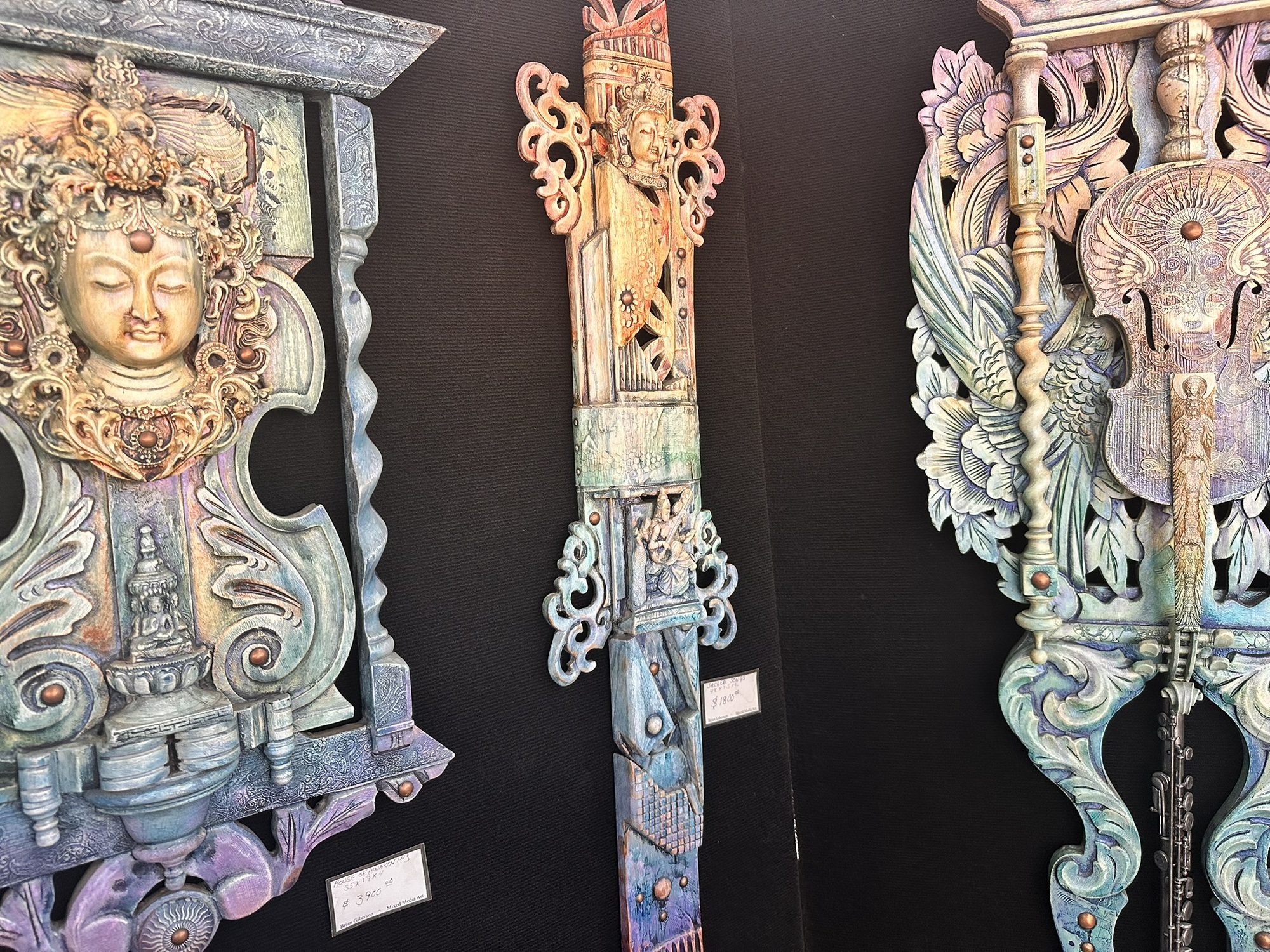
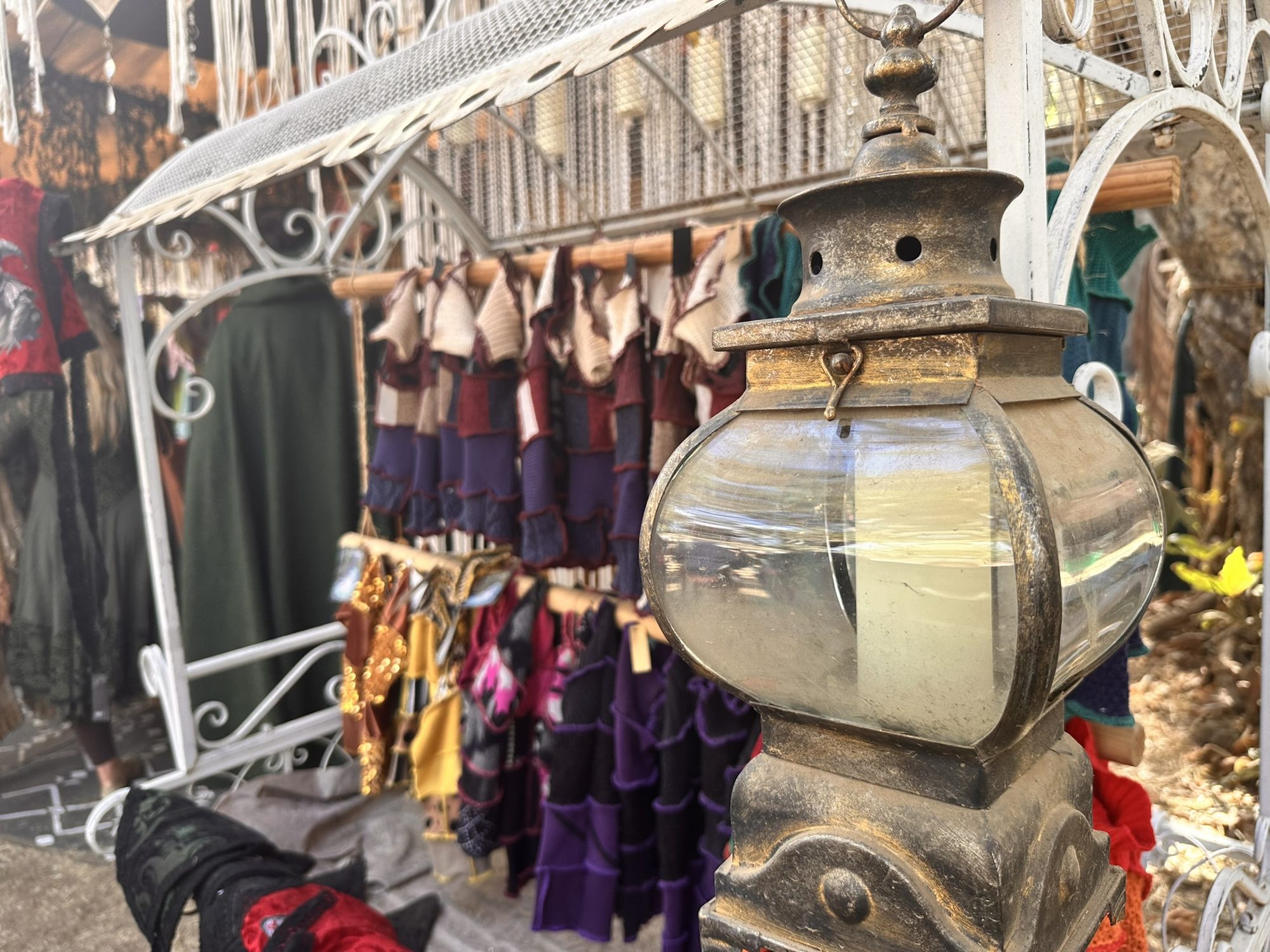
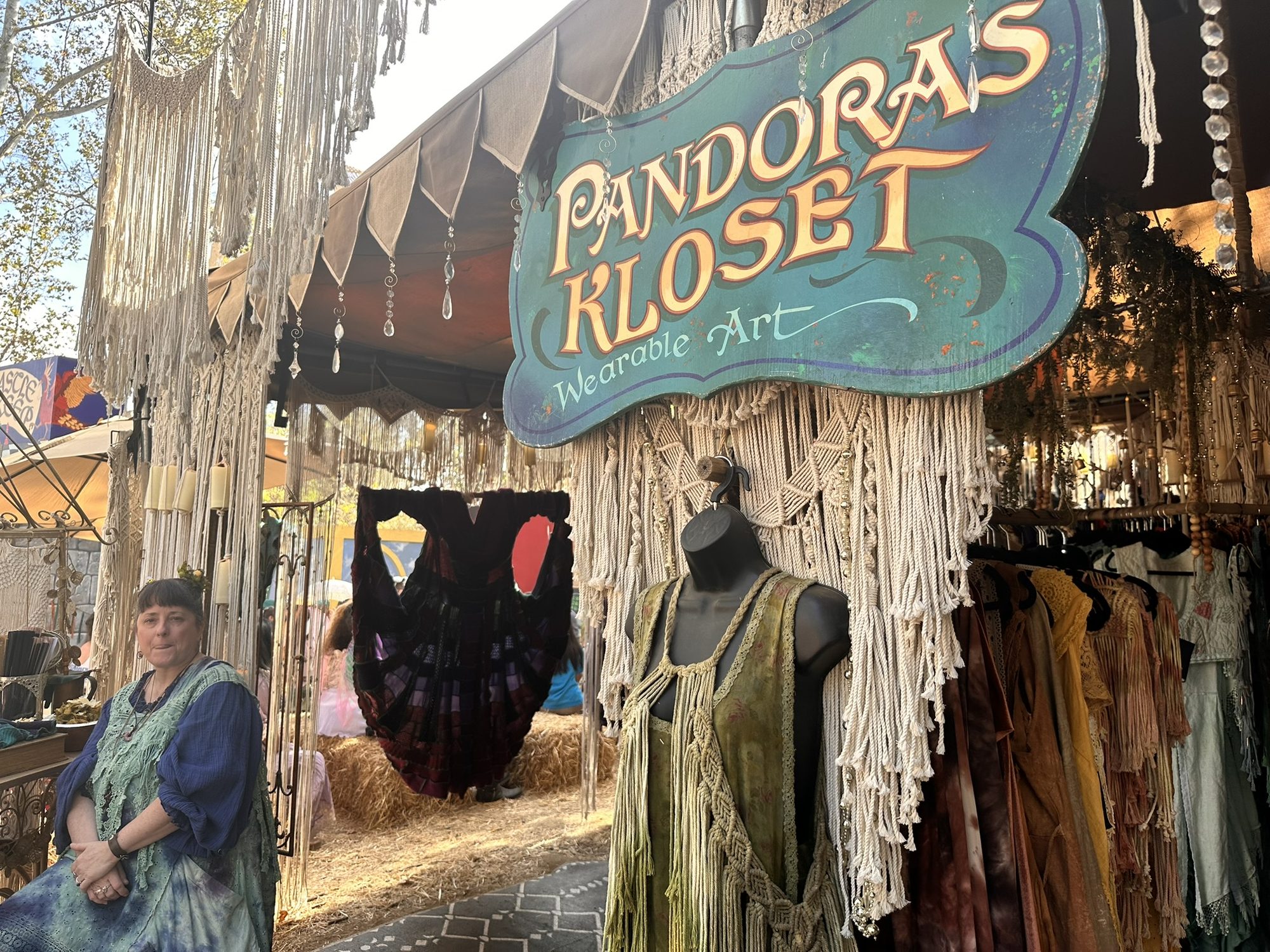
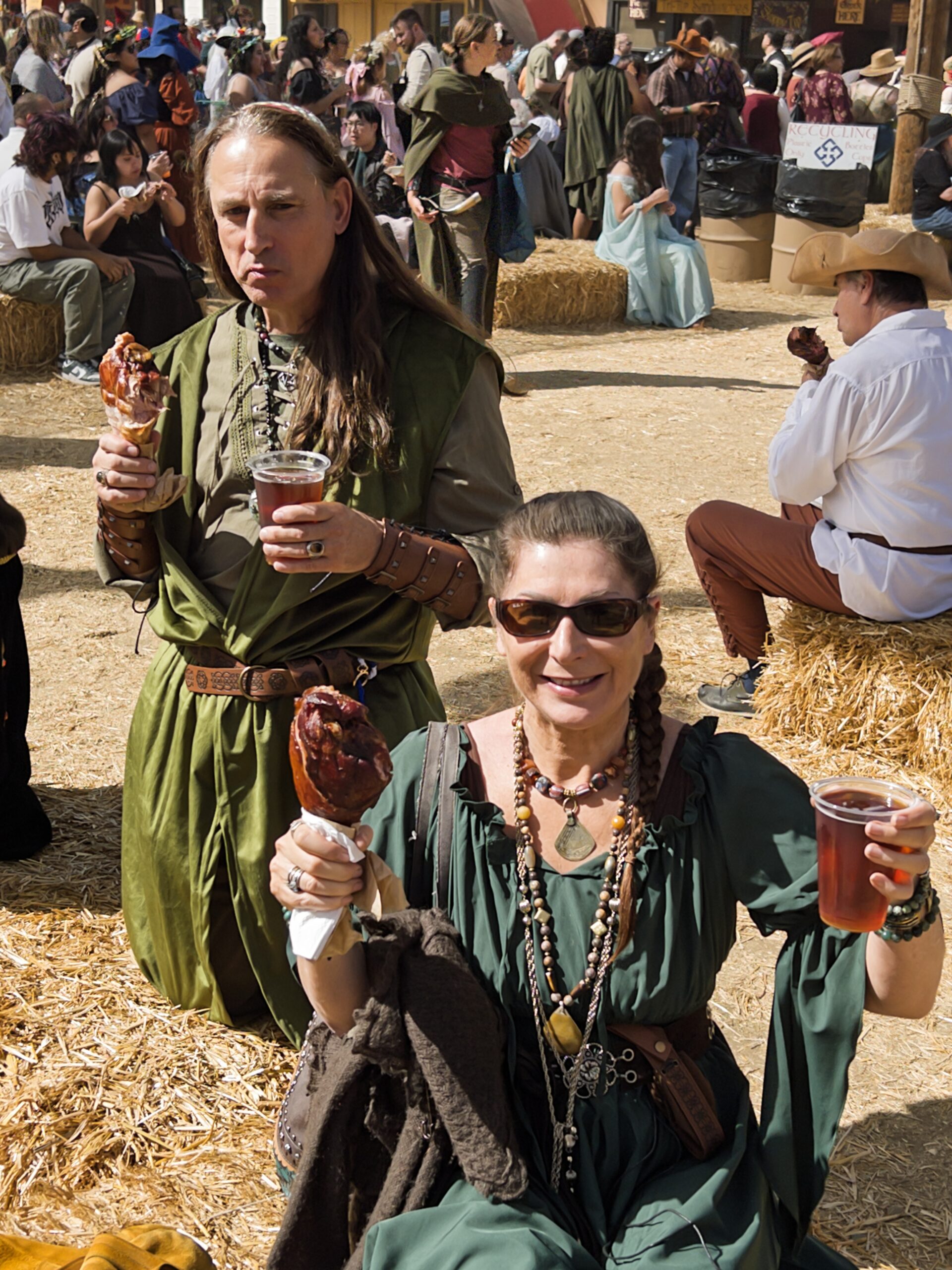
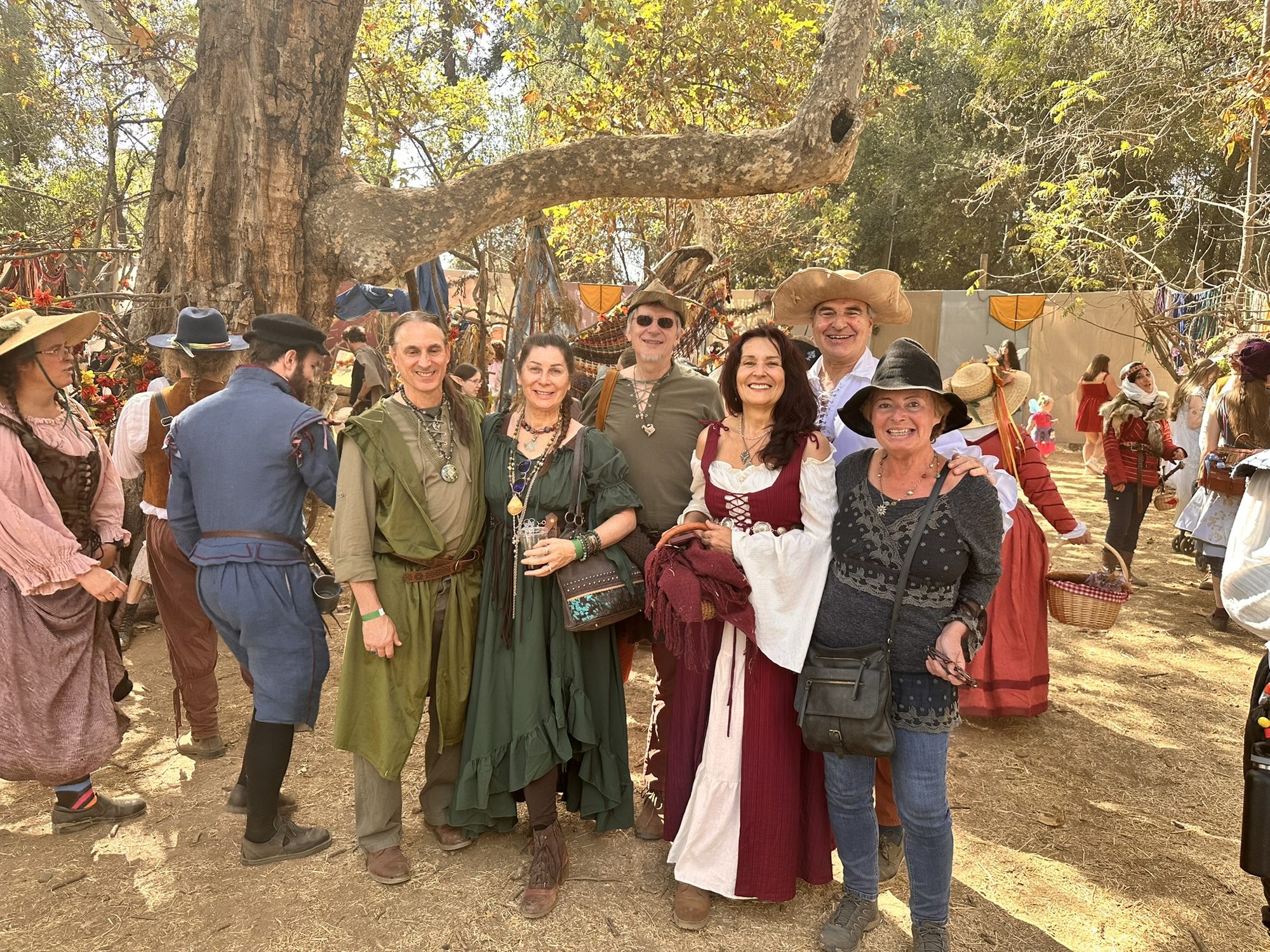
Our group in a bit of a posing moment. After large Turkey legs and beer that is.
The Northern California Renaissance Faire takes place at Casa de Fruta on Pacheco Pass near Hollister, and admission includes the Faire’s entertainment; children 12 and under are admitted free throughout the season. But even without the jousting, costumes or theatrical pageantry, there is something refreshing about spending a day inside a place created almost entirely around imagination.
For one long day, people agree to enter another world together. And perhaps that is the real magic of the Renaissance Faire. Not that it recreates the past perfectly, but it gives us permission to play with it.
Below is a fun video excerpt with our highlights and memories from our experience.
Renee Blodgett is the Founder and Managing Editor of We Blog the World, a global travel, culture and lifestyle publication exploring the world through the lens of meaningful experiences, human connection and cultural depth. Having lived in 10 countries and traveled to 95, Renee has spent much of her life immersed in the people, traditions, landscapes and ideas that shape how we experience the world.
Since launching We Blog the World in 2007, she has written and produced extensive editorial coverage spanning boutique and luxury travel, culinary experiences, arts and culture, wellness, adventure, technology, spiritual traditions and transformative travel. Her work is rooted in the belief that travel is about more than where we go—it is also about what a place, culture or encounter awakens within us.
Renee brings more than three decades of experience across journalism, photography, media, brand strategy, technology, wellness and global storytelling. She has worked with companies and organizations around the world on brand positioning, communications, product launches, media strategy, speaker positioning and storytelling. Through Blue Soul Media, she works with authors, entrepreneurs, thought leaders and purpose-driven brands to clarify their message and expand their impact, which includes speaker coaching/training for high-profile stages such as TED and bringing authors’ work to market while retaining authors rights.
She is also the co-founder of Blue Soul Earth, an educational platform exploring consciousness, ancient wisdom, spirituality, healing and the intersection between science and the nature of reality. Renee is the producer and host of the award-winning Blue Soul CHATS, a conversational series bringing together leading voices in science, technology, consciousness, wellness and spirituality.
Her growing body of work also includes Blue Soul Living, which extends her interest in consciousness and well-being into the spaces we inhabit, exploring how intentional design, energy and environment can support greater harmony and connection.
Renee is the award-winning co-author of the bestselling Magdalene’s Journey and founder of the Magdalene Collection, inspired by women’s voices, stories and wisdom across cultures and generations.
A longtime photographer and storyteller, Renee has documented people, places and cultures around the world and produced photographic collections focused on destinations including the Galápagos Islands, London, South Africa, Rome and Ecuador. She also co-founded Traveling Geeks, an international initiative that brought entrepreneurs, journalists, creators and technology leaders together with their counterparts in other countries to exchange ideas and explore innovation across cultures.
Renee’s work has been recognized by Forbes, the United Nations and others for her influence in media and social storytelling. Across her work in travel, media, consciousness and culture, a common thread remains: curiosity about the world, the stories that connect us and the ways meaningful experiences can change how we see ourselves and one another.