Deep in Swedish Lapland, just north of the Arctic Circle, the small town of Jokkmokk comes alive each February with one of Scandinavia’s most distinctive cultural gatherings. The Jokkmokk Winter Market, known locally as Jokkmokks marknad, brings together centuries of Indigenous Sámi heritage, traditional craftsmanship, regional foods, music and the remarkable atmosphere of winter in the far north.
Surrounded by snow-covered forests, frozen waterways and expansive Arctic landscapes, Jokkmokk offers a setting quite unlike the bustling markets found in Europe’s larger cities. Temperatures can plunge well below freezing, yet the town fills with visitors, artists, craftspeople and traders who gather to celebrate a tradition that has endured for more than four centuries.

Credit: The Jokkmokk Winter Market
More Than 400 Years of History
The origins of the modern Jokkmokk Winter Market date to 1605, when the Swedish Crown established an official trading and administrative center in the region. Although Sámi communities had gathered and traded throughout northern Scandinavia long before this period, the formal market was created partly to strengthen government control, collect taxes and promote Christianity among Indigenous populations.
Over time, the gathering evolved into an important occasion for trade, social connections and cultural exchange. Families and communities separated by vast distances could reconnect, share news, exchange goods and maintain relationships during the long northern winter. Today, the market continues to honor its history while creating space for contemporary Sámi culture, creative expression and discussions about the future of the region.
Sámi Culture, Traditional Crafts and Living Heritage
One of the market’s greatest attractions is the opportunity to experience the rich artistic and cultural traditions of the Sámi, the Indigenous people of Sápmi, whose ancestral homeland extends across northern Sweden, Norway, Finland and parts of Russia.
Traditional Sámi craftsmanship, known as duodji, is an important part of the market. Visitors encounter beautifully crafted objects made from wood, reindeer antler, leather, wool and other materials, reflecting knowledge and skills passed through generations. These items are more than decorative souvenirs. Many are rooted in practical traditions associated with life in northern environments, where durability, resourcefulness and a close understanding of natural materials have long been essential.
Intricate silver jewelry, traditional textiles, handmade knives, woven goods and contemporary Sámi artwork reveal both the continuity and evolution of these creative traditions. The market also offers opportunities to learn about Sámi history, language and cultural identity through exhibitions, performances, presentations and conversations with artists and community members.

Credit: The Jokkmokk Winter Market
Reindeer, Arctic Traditions and Winter Life
Reindeer are closely associated with the cultural landscape of northern Scandinavia, and reindeer-related activities have become some of the market’s most recognizable experiences. Reindeer husbandry remains an important livelihood and cultural practice for many Sámi families, shaped by deep ecological knowledge and generations of experience living with the seasonal rhythms of the north.
Traditional reindeer transportation and demonstrations offer a glimpse into this relationship between people, animals and the Arctic environment. The surrounding winter landscape adds another layer to the experience. Snow-covered trees, frozen lakes and the pale light of northern winter create an atmosphere that feels both dramatic and peaceful. For those who appreciate nature, the season offers a reminder of the resilience required to live in places where the climate can be beautiful but demanding.
Food, Music and a Community Celebration
Food is another important part of the Jokkmokk Winter Market experience. Outdoor stalls and local establishments offer regional specialties, warming drinks and traditional foods associated with northern Sweden and Sámi culinary heritage.
Reindeer meat, Arctic fish, berries and other locally significant ingredients feature in the broader food culture of the region, reflecting traditions shaped by the surrounding landscape and seasonal availability. The market’s cultural program adds music, performances, exhibitions and other gatherings to the lively atmosphere. Sámi musical traditions, including joik, provide a distinctive expression of cultural memory and identity, while contemporary performances demonstrate the vitality and diversity of Sámi creativity today.
Despite the cold, there is a strong sense of community throughout the event. The streets become gathering places where visitors and residents mingle, reconnect and celebrate the traditions that continue to give the region its distinctive character.
The Deeper Connection Between Culture and Nature
Beyond its colorful stalls and lively winter activities, the Jokkmokk Winter Market offers an opportunity to reflect on the relationship between culture, land and identity.
For generations, life in the Arctic has required an intimate understanding of seasonal changes, animal migrations, weather conditions and the resources available in the natural environment.
Sámi cultural traditions reflect particular relationships with these landscapes, although beliefs and practices vary among individuals and communities. Understanding this heritage requires recognizing the Sámi as a living and diverse Indigenous people rather than viewing their culture solely through the lens of the past.
For travelers interested in conscious living and the deeper relationship between humanity and the Earth, Jokkmokk provides a meaningful opportunity to learn about traditions in which ecological knowledge, community and cultural continuity remain important.
The market is also a reminder that cultural preservation is not simply about maintaining historic customs. It includes supporting Indigenous artists, languages, livelihoods and the right of communities to shape their own futures.
A Winter Gathering Unlike Any Other
What makes Jokkmokk’s Winter Market so memorable is the way it combines historical depth with the energy of a living community.
The brilliant colors of traditional clothing stand out against the snow, handmade objects reveal generations of craftsmanship, and the Arctic landscape provides a dramatic backdrop for one of northern Europe’s most enduring annual gatherings.
More than a place to shop, the market offers an opportunity to experience the cultural richness of Swedish Lapland and gain a deeper appreciation for the people whose traditions have helped shape the region.
For those drawn to meaningful travel experiences, Jokkmokk is a reminder that the most memorable journeys often come from encountering living cultures, listening to unfamiliar stories and discovering the many ways human communities have learned to thrive in relationship with the natural world.
FEBRUARY 4–6, 2027 • JOKKMOKK, SWEDISH LAPLAND

Credit: The Jokkmokk Winter Market
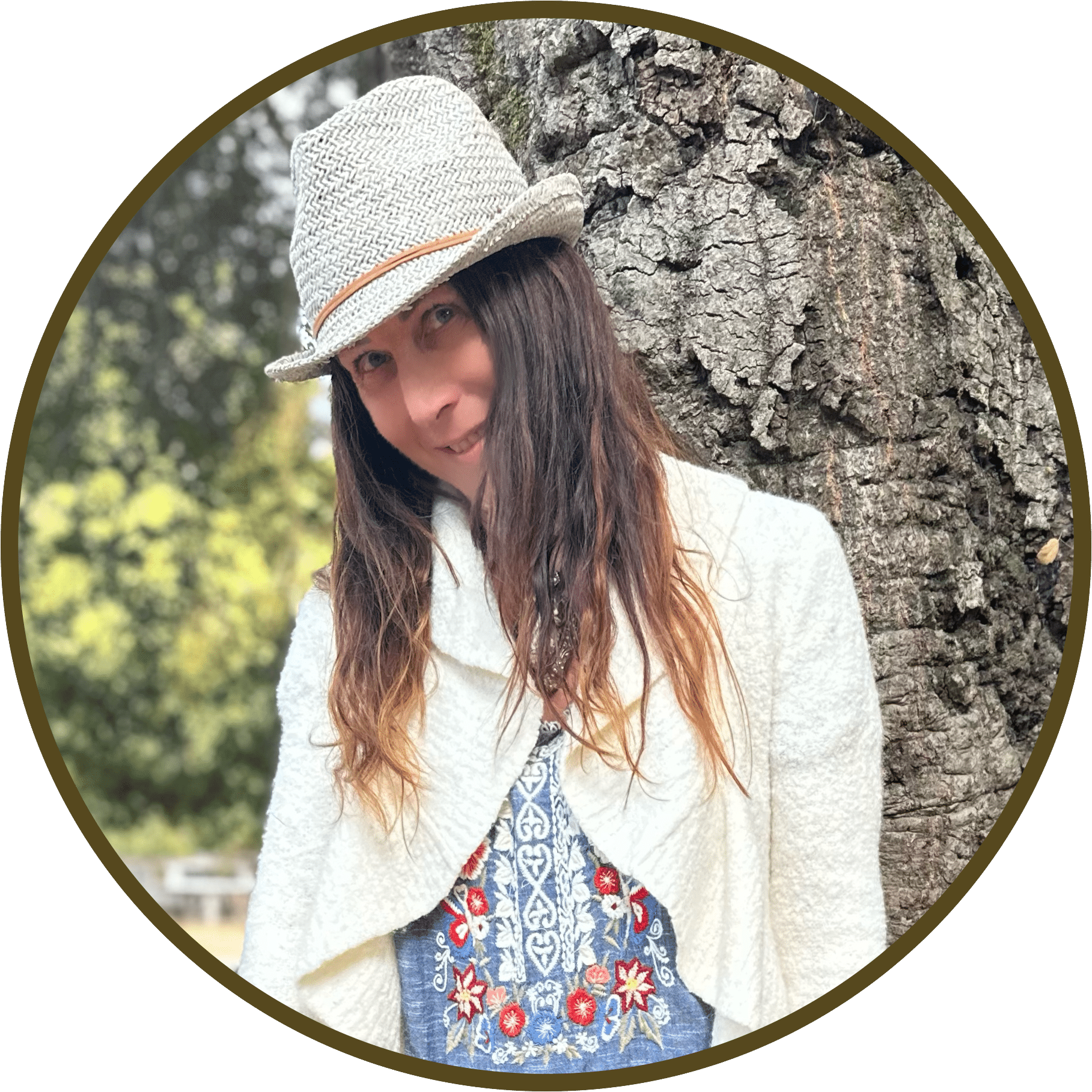
Renee Blodgett is the Founder and Managing Editor of We Blog the World, a global travel, culture and lifestyle publication exploring the world through the lens of meaningful experiences, human connection and cultural depth. Having lived in 10 countries and traveled to 95, Renee has spent much of her life immersed in the people, traditions, landscapes and ideas that shape how we experience the world.
Since launching We Blog the World in 2007, she has written and produced extensive editorial coverage spanning boutique and luxury travel, culinary experiences, arts and culture, wellness, adventure, technology, spiritual traditions and transformative travel. Her work is rooted in the belief that travel is about more than where we go—it is also about what a place, culture or encounter awakens within us.
Renee brings more than three decades of experience across journalism, photography, media, brand strategy, technology, wellness and global storytelling. She has worked with companies and organizations around the world on brand positioning, communications, product launches, media strategy, speaker positioning and storytelling. Through Blue Soul Media, she works with authors, entrepreneurs, thought leaders and purpose-driven brands to clarify their message and expand their impact, which includes speaker coaching/training for high-profile stages such as TED and bringing authors’ work to market while retaining authors rights.
She is also the co-founder of Blue Soul Earth, an educational platform exploring consciousness, ancient wisdom, spirituality, healing and the intersection between science and the nature of reality. Renee is the producer and host of the award-winning Blue Soul CHATS, a conversational series bringing together leading voices in science, technology, consciousness, wellness and spirituality.
Her growing body of work also includes Blue Soul Living, which extends her interest in consciousness and well-being into the spaces we inhabit, exploring how intentional design, energy and environment can support greater harmony and connection.
Renee is the award-winning co-author of the bestselling Magdalene’s Journey and founder of the Magdalene Collection, inspired by women’s voices, stories and wisdom across cultures and generations.
A longtime photographer and storyteller, Renee has documented people, places and cultures around the world and produced photographic collections focused on destinations including the Galápagos Islands, London, South Africa, Rome and Ecuador. She also co-founded Traveling Geeks, an international initiative that brought entrepreneurs, journalists, creators and technology leaders together with their counterparts in other countries to exchange ideas and explore innovation across cultures.
Renee’s work has been recognized by Forbes, the United Nations and others for her influence in media and social storytelling. Across her work in travel, media, consciousness and culture, a common thread remains: curiosity about the world, the stories that connect us and the ways meaningful experiences can change how we see ourselves and one another.