The global wellness industry has undergone a remarkable transformation. What was once associated primarily with spas, fitness programs and alternative approaches to health has developed into an expansive international economy encompassing preventive medicine, longevity science, wellness tourism, mental wellbeing, technology, healthy living and the growing desire for more meaningful human experiences.
Yet as the industry becomes increasingly sophisticated, another question is beginning to emerge: Can wellbeing truly be measured through physical health, biological markers and technological innovation alone, or must a deeper understanding of the human experience also include purpose, emotional connection, beauty and spirituality?
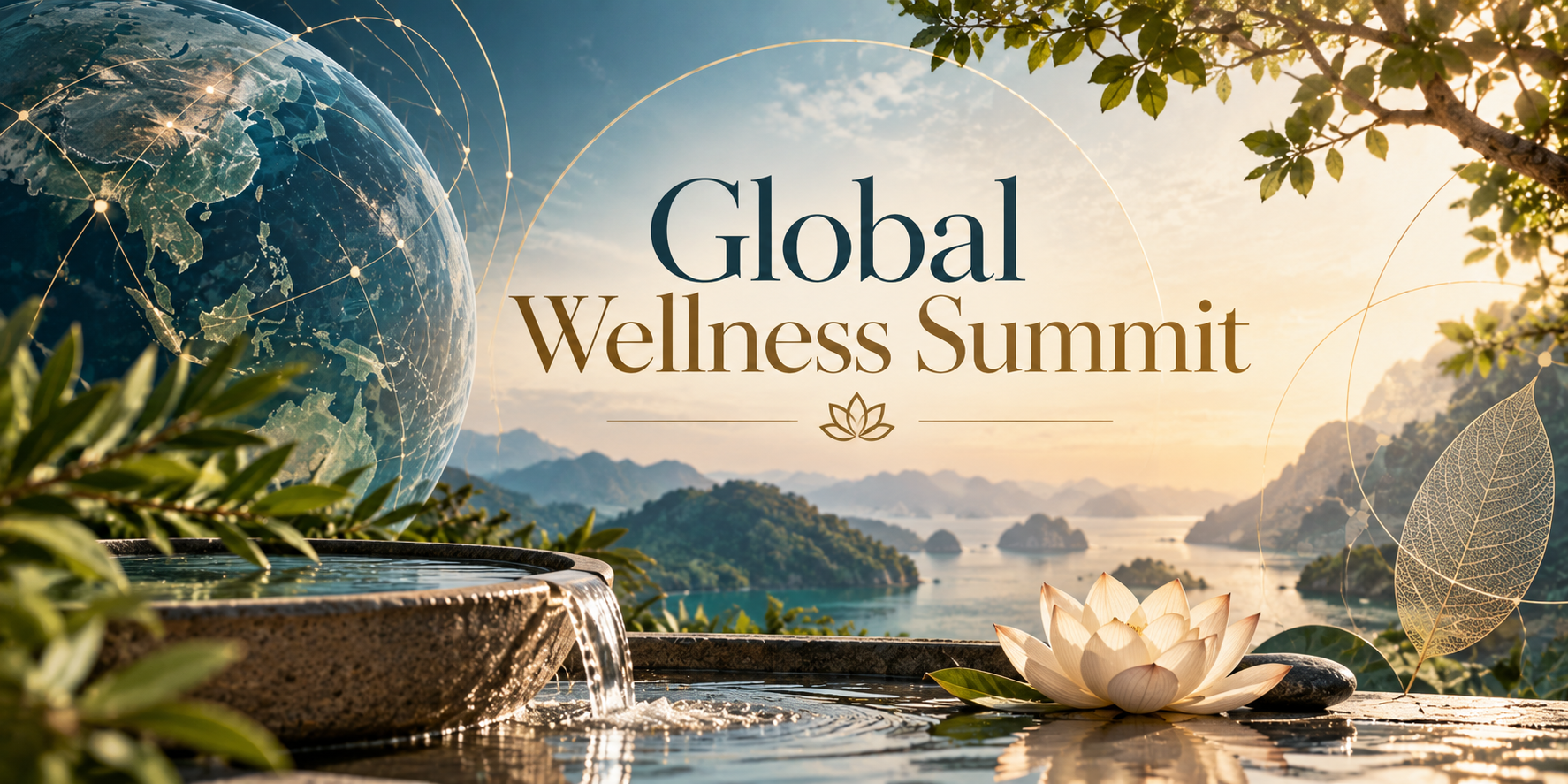
The Global Wellness Summit brings these questions into an international conversation involving business leaders, researchers, medical professionals, policymakers, investors and innovators shaping the future of wellness.
The organization’s twentieth-anniversary gathering takes place November 10–13, 2026, at Angsana Laguna Phuket in Thailand, under the theme The Science, Art and Soul of Wellness. The theme reflects a growing recognition that the future of wellbeing may depend upon a more integrated understanding of physical health, emotional experience and the deeper dimensions of human life.
From Wellness Industry to Global Movement
The wellness economy is no longer a niche market. According to the Global Wellness Institute, the industry has grown into a multitrillion-dollar international sector spanning eleven major categories of wellness-related activity.
The Global Wellness Summit describes the economy as reaching $6.8 trillion, encompassing areas such as physical activity, wellness tourism, spas, mental wellness, wellness real estate, public health and preventive medicine. This growth reflects several important societal changes.
Populations are aging, chronic health challenges remain widespread, and consumers are seeking greater involvement in their physical and emotional wellbeing. At the same time, new research and technologies are changing how people think about prevention, biological aging and long-term health.
Wellness has also become an important part of how people travel, choose where to live and decide which experiences deserve their time and resources. Yet rapid commercial growth raises its own questions. As wellness becomes a major economic force, how can the industry preserve authenticity, accessibility and meaningful human connection? And how can businesses distinguish genuine improvements in wellbeing from attractive marketing claims that may have little scientific foundation?
Longevity Science and the Future of Healthy Aging
Longevity is among the most influential developments shaping contemporary wellness. Scientific advances are encouraging researchers to investigate the biological processes associated with aging, including cellular damage, inflammation, metabolic health and the mechanisms involved in maintaining physical and cognitive function.
New diagnostic technologies and preventive approaches are also creating opportunities to assess aspects of health more precisely. However, it is important to distinguish between established approaches that support healthy aging and experimental interventions whose long-term effectiveness or safety remains uncertain.
The excitement surrounding longevity science has sometimes encouraged exaggerated promises, particularly when commercial products are promoted as ways to reverse biological aging or extend human life dramatically. A responsible approach emphasizes the difference between promising research and clinically demonstrated outcomes.
The 2026 Global Wellness Summit includes longevity medicine among its important themes, with speakers such as physician and longevity researcher Andrea Maier exploring emerging developments in the field. For readers, the most interesting question may not be how long human beings can live, but how scientific progress might help people maintain independence, purpose, relationships and quality of life as they age.
The Return of Soul to Wellness
One of the most compelling aspects of the 2026 summit is its explicit attention to the spiritual and emotional dimensions of well-being. In an October 19, 2026 announcement, the organizers emphasized that wellness extends beyond what can be scientifically measured, highlighting ancient wisdom, spiritual traditions, meaningful experiences and human connection as important parts of the conversation.
This direction reflects a broader shift occurring within wellness culture. For years, the industry has increasingly emphasized optimization: improving sleep scores, tracking biological markers, measuring fitness and assessing individual performance. These tools can be valuable, but they do not necessarily answer questions about meaning, belonging or fulfillment.
A person may possess excellent physical health indicators while experiencing loneliness, disconnection or a lack of purpose. Conversely, relationships, community participation, creative expression and spiritual practices may contribute to a person’s understanding of a meaningful life in ways that are not adequately captured by conventional wellness metrics.
The challenge is not to reject scientific measurement, but to recognize its limits. For travelers interested in conscious living, this creates an important opportunity to explore experiences that support connection with self, others, culture and the natural world.
Art, Music and the Emerging Field of Neuroarts
Another significant dimension of the summit involves the relationship between artistic expression and well-being. Research into music, movement, visual art and other creative experiences has encouraged growing interest in how artistic engagement may influence emotion, cognition, stress and social connection.
The emerging fields of neuroarts and neuroaesthetics explore relationships between artistic experiences, neural processes and human behavior. Some interventions involving music or other arts have demonstrated benefits for particular health-related outcomes, although the strength of evidence varies across conditions and practices.
The summit places unusual emphasis on music, performance, film and artistic experiences, reflecting an effort to broaden the conversation beyond conventional lectures and business presentations. For those who value creativity as part of a meaningful life, this development is particularly interesting. It suggests that the future of wellness may involve a more serious recognition of beauty, artistic expression and cultural participation as dimensions of human experience deserving sustained attention.
The Growing Importance of Wellness Tourism
Wellness travel has become a major international category, extending far beyond traditional spa vacations. Travelers increasingly seek experiences involving movement, contemplative practice, nutrition, nature, cultural immersion and personal reflection.
Luxury resorts and boutique properties are responding with programs involving longevity assessments, mindfulness, integrative health, sleep improvement and other specialized services. At the same time, some of the most compelling wellness experiences arise not from sophisticated technology, but from engagement with place.
A traditional healing practice, an encounter with local culture, a carefully guided nature experience or time spent in genuine silence can offer a different form of value from highly commercialized wellness programming. The challenge for hospitality leaders is to create experiences that are meaningful and culturally respectful while avoiding the superficial appropriation of spiritual traditions. The summit brings attention to innovative Asian hospitality concepts, including discussions involving leaders associated with Potato Head Bali and Japan’s Shishi-Iwa House. These conversations are especially relevant as travelers increasingly seek experiences that reflect authenticity, connection and a stronger sense of place.
Thailand as a Meeting Point Between Tradition and Innovation
Thailand provides a compelling setting for a summit exploring the relationship between scientific advances and the deeper dimensions of wellness. Its contemporary hospitality industry includes internationally recognized resorts, medical-wellness facilities and destinations attracting travelers interested in relaxation, preventive health and personal renewal. At the same time, Thailand possesses longstanding cultural traditions involving Buddhism, traditional medicine, massage and community life.
These practices differ in their religious, historical and therapeutic foundations, but together they contribute to a wider cultural landscape in which wellbeing is not understood exclusively through modern medical technology. The summit’s organizers have chosen to emphasize this intersection, combining discussions of scientific innovation with attention to Thai cultural traditions and spiritual experiences. For travelers and industry leaders, the setting offers an opportunity to reflect on how wellness can respect local knowledge while continuing to evolve through research and responsible innovation.
Wellness, Consciousness and the Search for Meaning
As wellness expands, its boundaries increasingly overlap with philosophical questions about the nature of a meaningful life.
- Is well-being primarily the absence of illness?
- Does it require emotional resilience?
- How important are relationships, service, creativity and belonging?
- And what role might contemplative practices play in helping individuals examine their habits, assumptions and relationships with the wider world?
These questions cannot all be answered through the same methods.
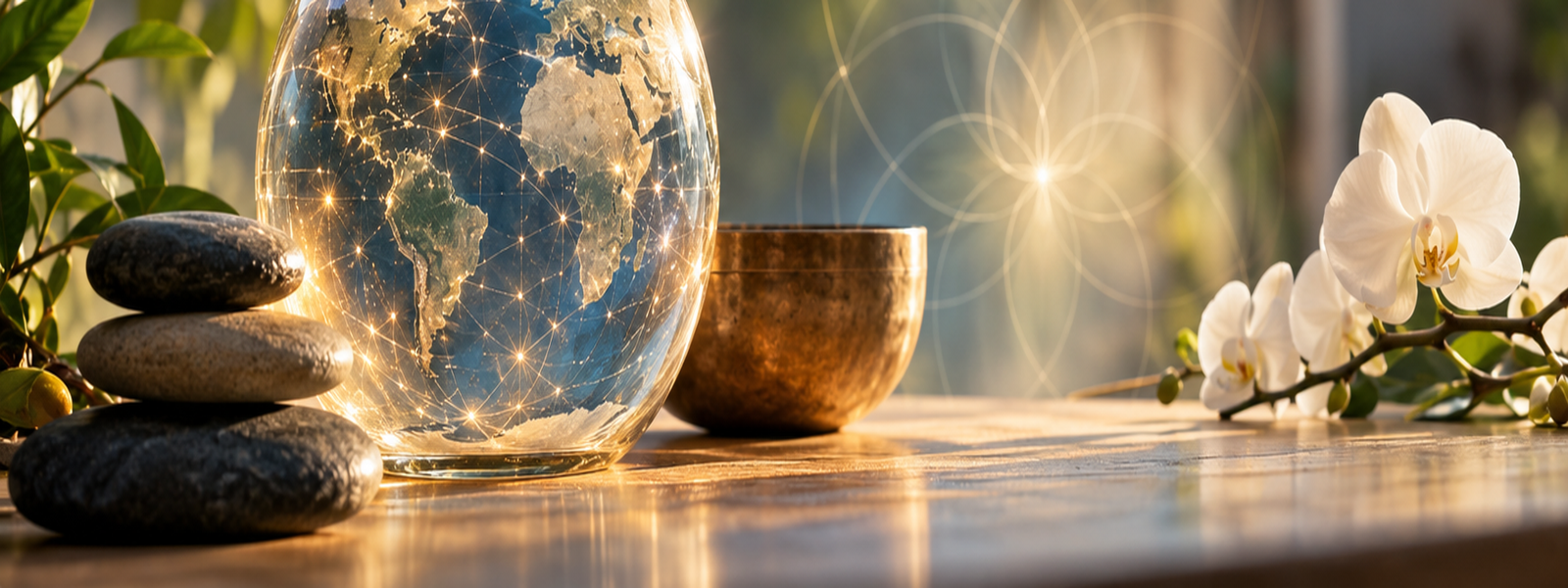
Medical science can evaluate interventions and investigate health outcomes. Psychology can examine behavior, emotion and aspects of wellbeing. Religious and philosophical traditions may offer different frameworks for understanding purpose and human responsibility. Bringing these perspectives into conversation can deepen the industry’s approach without confusing evidence-based healthcare with spiritual belief. This may be one of the most meaningful directions for the future of wellness: recognizing that better health and a more meaningful life are related goals, but not necessarily identical ones.
The Business of Wellness and the Question of Integrity
The continued expansion of wellness brings significant commercial opportunities, but also considerable responsibility. Consumers are increasingly exposed to products and services promising improved longevity, enhanced cognition, emotional healing and spiritual transformation.
Some are grounded in sound research, while others rely upon emerging theories, anecdotal evidence or persuasive branding. As the industry matures, credibility will depend upon transparency regarding outcomes, research quality, practitioner qualifications and potential risks. Equally important is respect for the cultural traditions upon which many wellness experiences draw.
Ancient practices should not be presented as scientifically validated simply because they have been maintained for generations. Nor should their cultural significance be dismissed because their spiritual claims are not scientifically testable. A more thoughtful wellness industry can recognize different forms of value while communicating clearly about evidence and limitations.
The Global Wellness Summit in Phuket
The twentieth-anniversary Global Wellness Summit takes place November 10–13, 2026, at Angsana Laguna Phuket in Thailand. The event brings together international participants from business, science, medicine, hospitality, government and related industries. Registration follows a professional delegate model, rather than the structure of a conventional consumer wellness expo.
Its twentieth-anniversary theme, The Science, Art and Soul of Wellness, provides an opportunity to consider not simply what the industry has become, but what its priorities should be in the decades ahead. For those interested in conscious travel, transformational experiences and the future of human wellbeing, the summit offers a compelling perspective on an industry attempting to reconcile commercial expansion with questions of health, meaning and human connection.
Ultimately, the most promising future of wellness may not lie in choosing between advanced science and timeless questions about the human experience. It may lie in developing a more discerning understanding of how physical health, emotional wellbeing, cultural identity, personal purpose and meaningful relationships contribute to a life genuinely worth living.
For more information, visit their website: https://www.globalwellnesssummit.com/.

Renee Blodgett is the Founder and Managing Editor of We Blog the World, a global travel, culture and lifestyle publication exploring the world through the lens of meaningful experiences, human connection and cultural depth. Having lived in 10 countries and traveled to 95, Renee has spent much of her life immersed in the people, traditions, landscapes and ideas that shape how we experience the world.
Since launching We Blog the World in 2007, she has written and produced extensive editorial coverage spanning boutique and luxury travel, culinary experiences, arts and culture, wellness, adventure, technology, spiritual traditions and transformative travel. Her work is rooted in the belief that travel is about more than where we go—it is also about what a place, culture or encounter awakens within us.
Renee brings more than three decades of experience across journalism, photography, media, brand strategy, technology, wellness and global storytelling. She has worked with companies and organizations around the world on brand positioning, communications, product launches, media strategy, speaker positioning and storytelling. Through Blue Soul Media, she works with authors, entrepreneurs, thought leaders and purpose-driven brands to clarify their message and expand their impact, which includes speaker coaching/training for high-profile stages such as TED and bringing authors’ work to market while retaining authors rights.
She is also the co-founder of Blue Soul Earth, an educational platform exploring consciousness, ancient wisdom, spirituality, healing and the intersection between science and the nature of reality. Renee is the producer and host of the award-winning Blue Soul CHATS, a conversational series bringing together leading voices in science, technology, consciousness, wellness and spirituality.
Her growing body of work also includes Blue Soul Living, which extends her interest in consciousness and well-being into the spaces we inhabit, exploring how intentional design, energy and environment can support greater harmony and connection.
Renee is the award-winning co-author of the bestselling Magdalene’s Journey and founder of the Magdalene Collection, inspired by women’s voices, stories and wisdom across cultures and generations.
A longtime photographer and storyteller, Renee has documented people, places and cultures around the world and produced photographic collections focused on destinations including the Galápagos Islands, London, South Africa, Rome and Ecuador. She also co-founded Traveling Geeks, an international initiative that brought entrepreneurs, journalists, creators and technology leaders together with their counterparts in other countries to exchange ideas and explore innovation across cultures.
Renee’s work has been recognized by Forbes, the United Nations and others for her influence in media and social storytelling. Across her work in travel, media, consciousness and culture, a common thread remains: curiosity about the world, the stories that connect us and the ways meaningful experiences can change how we see ourselves and one another.