In the spiritual heart of Morocco, where ancient medinas, sacred architecture and centuries of mystical teachings converge, the Festival of Sufi Culture and World Wisdom offers an extraordinary invitation to explore the inner dimensions of human existence. Held in the historic city of Fes, this distinctive gathering celebrates Sufism through devotional music, mystical poetry, contemplative practices, philosophical dialogue and artistic expression, bringing together spiritual teachers, musicians, scholars, poets and seekers from different cultural backgrounds.
Unlike the larger Fes Festival of World Sacred Music, which showcases devotional musical traditions from around the globe, the Festival of Sufi Culture focuses more intimately on the wisdom, philosophy and lived spiritual practices associated with Sufism. Through lectures, musical performances, conversations and cultural encounters, it explores questions that have occupied mystics for centuries: What does it mean to know oneself? How can the heart become an instrument of understanding? And what role can love, beauty and remembrance play in the search for inner transformation?

The festival’s 18th edition takes place October 17–24, 2026, under the theme Mystical Poetry, an Elixir of Healing. The 2027 dates have not yet been announced, but the 2026 gathering offers a compelling glimpse into the festival’s evolving exploration of spirituality, creativity and the relationship between inner awareness and contemporary life.
Fes and the Enduring Legacy of Sufi Mysticism
For more than a thousand years, Fes has been associated with religious scholarship, intellectual exchange and the preservation of Islamic traditions. Its ancient medina, labyrinthine streets, historic mosques and beautifully ornamented religious schools reflect a city where spirituality, craftsmanship and learning have long existed alongside one another. The city’s importance within Morocco’s religious and intellectual history provides a particularly meaningful setting for a festival devoted to Sufi wisdom.
Sufism, often described as the mystical or inward dimension of Islam, emphasizes the purification of the heart, remembrance of God, spiritual discipline and the cultivation of qualities such as humility, compassion, sincerity and love. Although different Sufi lineages follow distinct teachings and practices, many share an understanding that spiritual knowledge involves more than intellectual study. It requires personal transformation through ethical conduct, contemplation, devotion and sustained inner work.
Morocco has a particularly rich history of Sufi brotherhoods, known as tariqas, whose teachings and devotional traditions have influenced its religious, artistic and cultural life. These communities have preserved spiritual poetry, forms of remembrance, musical traditions and relationships between teachers and students across generations. The festival provides an opportunity to encounter aspects of this living heritage while considering its relevance in an increasingly fragmented and fast-moving world.
Mystical Poetry and the Healing Power of Words
One of the most compelling dimensions of the festival is its exploration of mystical poetry as a pathway to spiritual understanding. Within Sufi traditions, poetry has long served as a means of expressing experiences that resist conventional language: longing for divine closeness, the dissolution of self-centeredness, the pain of separation and the joy of spiritual awakening.
The writings of celebrated mystics such as Jalal al-Din Rumi, Ibn Arabi and other Sufi poets have inspired generations of seekers, offering reflections on love, surrender, self-knowledge and the mysteries of existence. Yet mystical poetry is not simply a literary tradition. When recited, sung or contemplated within its religious context, it can become part of a wider practice of remembrance and spiritual reflection.
The 2026 festival theme, Mystical Poetry, an Elixir of Healing, explores the relationship between poetic expression, inner transformation and the human capacity to find meaning through suffering. Its organizers describe mysticism and poetry as complementary ways of approaching the ineffable and opening possibilities for reconciliation and inner renewal. This is a spiritual and artistic perspective, rather than a clinical claim about healing.
For visitors drawn to consciousness, sacred traditions and the transformative power of language, these encounters provide an opportunity to experience poetry beyond the printed page, where rhythm, voice and silence become part of a deeply contemplative exchange.
Sacred Music, Dhikr and the Art of Remembrance
Music holds an important place in many Sufi traditions, although its use and religious interpretation vary among communities. Through devotional chanting, sacred poetry and rhythmic recitation, certain Sufi groups cultivate states of attentiveness and remembrance that express their relationship with the Divine.
A central practice is dhikr, an Arabic term meaning remembrance, often involving the repetition of sacred names, phrases or prayers. Dhikr may be practiced silently or aloud, individually or collectively, and its forms differ among Sufi lineages. In some gatherings, repeated chanting and carefully structured rhythms create an experience of communal devotion in which breath, voice and spiritual attention become closely connected.
Another significant tradition is sama, or spiritual listening, which may involve poetry, chanting or music used to deepen contemplative awareness. The festival has historically presented musical expressions associated with Moroccan Sufi brotherhoods, alongside performances and artistic exchanges inspired by mystical traditions from other regions.
The 2026 program, for example, includes Moroccan Arabo-Andalusian devotional chanting, Pakistani qawwali and performances associated with Aleppo’s dervish traditions. These are distinctive artistic and religious lineages, and the festival’s programming creates opportunities to appreciate their differences as well as their shared emphasis on spiritual expression.
The Feminine Dimension of Sufi Wisdom
Although many of the best-known figures associated with Sufism are men, women have played meaningful roles throughout the history of Islamic mysticism. One of the most celebrated is Rābiʿa al-ʿAdawiyya, the eighth-century mystic associated with Basra, whose teachings and attributed poetry emphasize devotion to God motivated by love rather than fear of punishment or hope for reward.
Her legacy has influenced generations of spiritual seekers and continues to shape conversations about selfless love, surrender and the deeper motivations behind religious practice. Sufi history also includes women known for scholarship, spiritual teaching, poetry and devotion, although their contributions have not always received the same historical attention as those of male mystics.
Exploring these traditions can provide a richer understanding of the ways feminine spiritual authority and insight have influenced Islamic mystical thought. Within the festival’s broader conversations about consciousness, beauty, poetry and wisdom, these historical perspectives offer an opportunity to appreciate the diversity of voices that have contributed to Sufism across centuries.
Where Spirituality Meets Art and Philosophy
What distinguishes the Festival of Sufi Culture from many musical gatherings is its emphasis on dialogue. Alongside concerts and devotional performances, the festival brings together writers, intellectuals, artists, philosophers and researchers to consider how spiritual teachings intersect with contemporary questions about identity, ethics, creativity and society.
Previous editions have examined themes including self-knowledge, spirituality and human rights, women in Sufism, contemporary art and interfaith understanding. In 2026, the program includes conversations exploring mystical poetry, beauty, ritual practices and the relationship between spiritual understanding and healing.
These discussions reflect a longstanding feature of mystical traditions: the exploration of how inner life relates to action in the world. Sufism has never been solely concerned with private experiences of transcendence. Its ethical teachings frequently emphasize compassion, service, humility, responsibility and the ways spiritual awareness influences everyday conduct.
For travelers interested in the meeting point between ancient wisdom and contemporary consciousness, this aspect of the festival may be especially rewarding. It creates space not only to appreciate the beauty of spiritual expression, but also to engage with the ideas and philosophies that inform it.
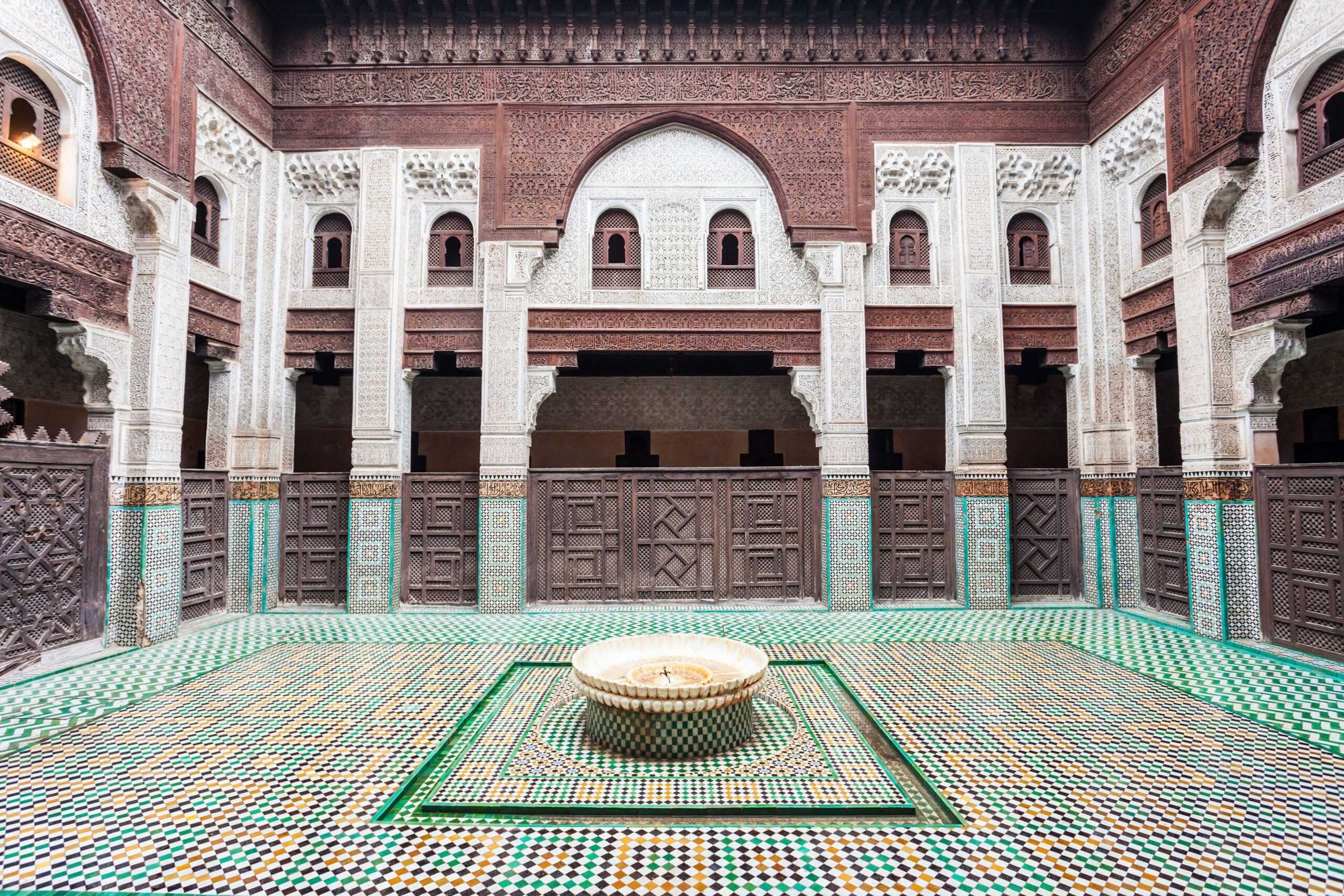
Credit: JasmineartGallery / Wikimedia Commons. CC0 public-domain dedication.
Experiencing Fes Beyond the Festival
The city itself adds another dimension to the experience. Within the UNESCO-listed medina, visitors can discover historic madrasas, elaborate tilework, traditional artisan workshops and architectural spaces shaped by centuries of religious and cultural life. Fes rewards those willing to wander slowly, allowing curiosity to lead from crowded market streets into peaceful courtyards and quieter neighborhoods.
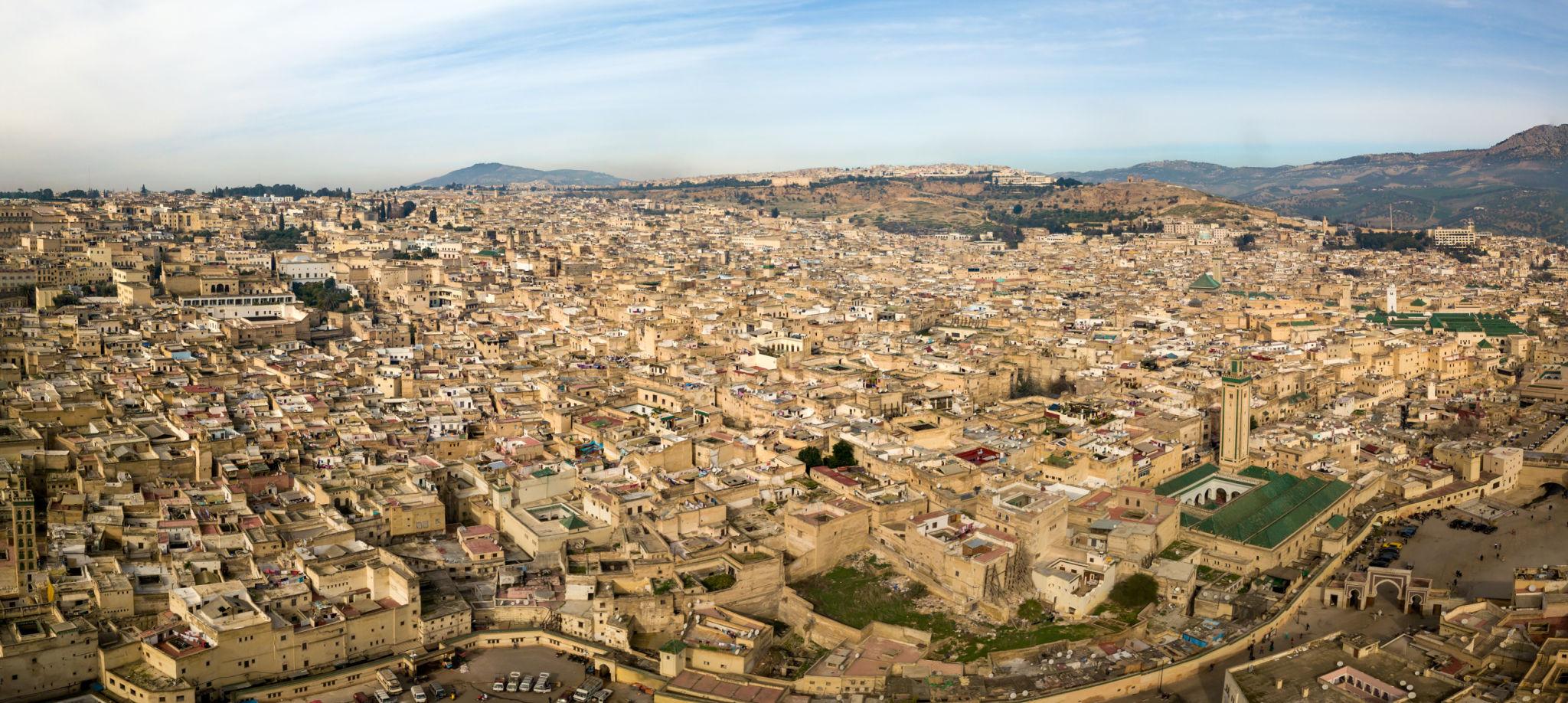
Credit: Mustang Joe / Wikimedia Commons.
The Bou Inania Madrasa, with its intricate woodwork, carved plaster and geometric decoration, offers a striking example of Moroccan religious architecture. The Jnan Sbil Gardens provide a peaceful respite from the intensity of the medina, while the city’s traditional riads offer an opportunity to experience Morocco’s distinctive courtyard-centered architecture.
Travelers interested in understanding Sufi history may also benefit from engaging knowledgeable local guides familiar with the city’s religious and cultural heritage. Visiting active religious sites requires sensitivity to access restrictions and local customs, and not every historic mosque or spiritual institution is open to non-Muslim visitors.
For a deeper appreciation of Morocco’s mystical traditions, the most rewarding encounters are often those that respect the distinction between public cultural performances and religious practices maintained within particular communities.
A Journey Toward the Inner Life
Perhaps the most distinctive quality of the Festival of Sufi Culture is its willingness to explore spirituality as a living inquiry rather than a fixed collection of historical ideas. Whether through poetry, music, discussion or contemplation, the gathering invites participants to consider the relationship between knowledge and experience, between intellectual understanding and the quieter wisdom of the heart.
The language of love appears repeatedly within Sufi teachings, but it is not simply romantic or sentimental. It refers to an orientation toward the Divine that asks practitioners to refine their intentions, loosen attachment to ego and cultivate greater humility and compassion. Mystical poetry provides a vocabulary for these experiences, while devotional practices give them structure within religious life.
For visitors from different spiritual backgrounds, the festival offers opportunities for thoughtful reflection without requiring that Sufi teachings be separated from their Islamic foundations. Encountering traditions on their own terms allows their complexity, beauty and distinctiveness to emerge more fully.
In this sense, the festival is as much about listening as it is about learning. Listening to unfamiliar musical traditions, to the insights of scholars and practitioners, to the meanings carried within poetry and perhaps to the questions that arise within one’s own experience.
Planning Your Visit
The Festival of Sufi Culture and World Wisdom traditionally takes place in Fes, Morocco, with recent editions held in October. Its 18th edition is scheduled for October 17–24, 2026, while official dates and programming for 2027 have not yet been announced. Travelers planning a future visit should monitor the organizer’s website for confirmation before arranging their itinerary.
The event takes place across cultural and historic venues in Fes rather than at a single festival ground. The 2026 schedule includes concerts at Bab El Makina and gatherings at other spaces around the city, with venues depending on the performance or discussion. Tickets are sold for individual events as well as festival passes, and prices vary by program. For the 2026 edition, the full pass is listed at 1,500 Moroccan dirhams; that should not be taken as the price for 2027.
Fes can be reached through Fès–Saïss Airport or by rail from other major Moroccan cities. Visitors planning to attend multiple events may prefer accommodations in or near the historic medina, although walking routes can be winding and transport arrangements should account for the city’s pedestrian streets. October generally offers pleasant conditions for cultural exploration, but evenings may be cooler, making layered clothing useful.
Ultimately, the Festival of Sufi Culture offers an unusually intimate opportunity to explore the intersection of mystical philosophy, sacred music, poetry and spiritual inquiry. In one of Morocco’s most historically significant cities, it creates a meeting place for traditions that continue to ask some of humanity’s deepest questions: how to live with greater awareness, how to cultivate love and compassion, and how to discover meaning beyond the distractions of ordinary life.
Visit their website for more information: https://festivalculturesoufie.com/
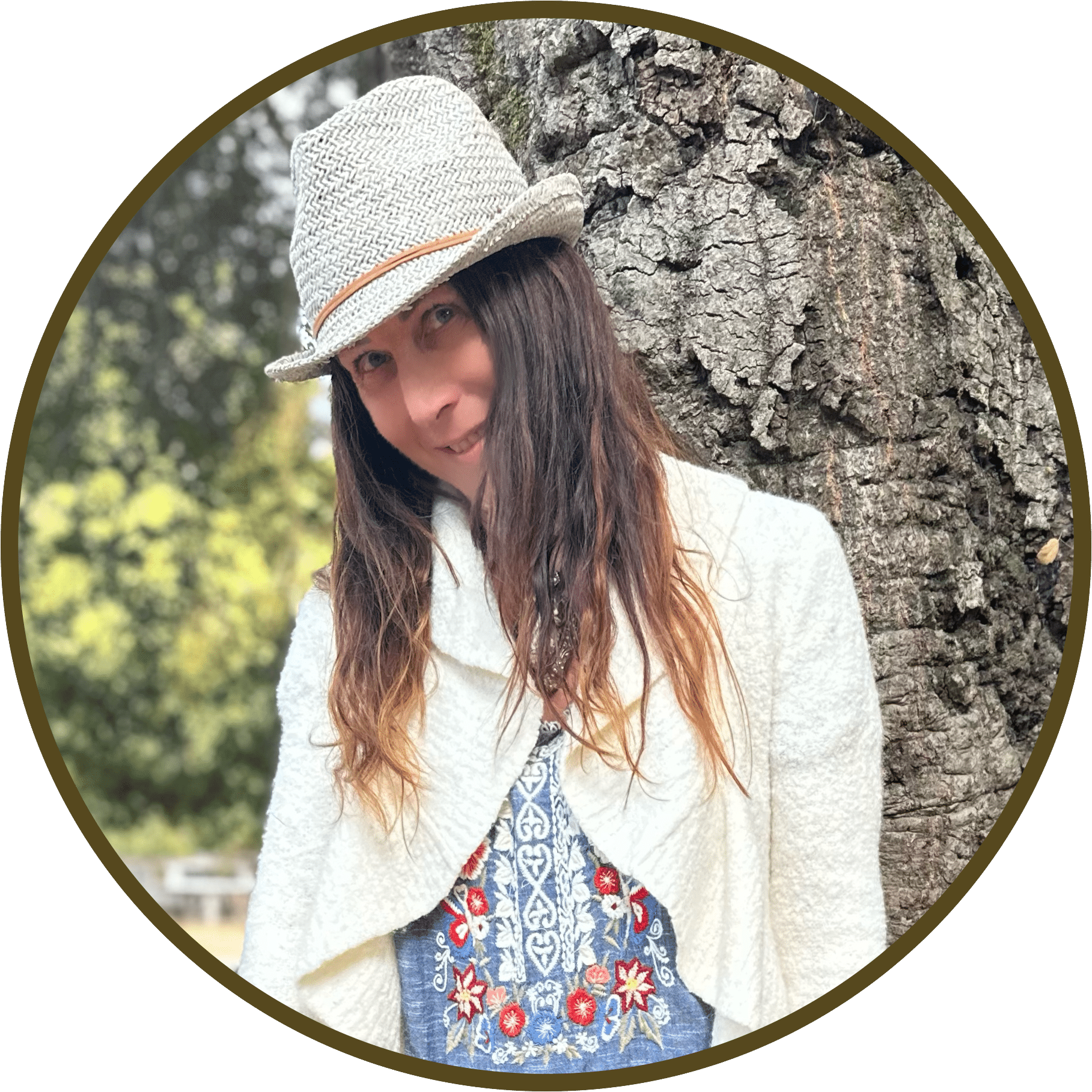
Renee Blodgett is the Founder and Managing Editor of We Blog the World, a global travel, culture and lifestyle publication exploring the world through the lens of meaningful experiences, human connection and cultural depth. Having lived in 10 countries and traveled to 95, Renee has spent much of her life immersed in the people, traditions, landscapes and ideas that shape how we experience the world.
Since launching We Blog the World in 2007, she has written and produced extensive editorial coverage spanning boutique and luxury travel, culinary experiences, arts and culture, wellness, adventure, technology, spiritual traditions and transformative travel. Her work is rooted in the belief that travel is about more than where we go—it is also about what a place, culture or encounter awakens within us.
Renee brings more than three decades of experience across journalism, photography, media, brand strategy, technology, wellness and global storytelling. She has worked with companies and organizations around the world on brand positioning, communications, product launches, media strategy, speaker positioning and storytelling. Through Blue Soul Media, she works with authors, entrepreneurs, thought leaders and purpose-driven brands to clarify their message and expand their impact, which includes speaker coaching/training for high-profile stages such as TED and bringing authors’ work to market while retaining authors rights.
She is also the co-founder of Blue Soul Earth, an educational platform exploring consciousness, ancient wisdom, spirituality, healing and the intersection between science and the nature of reality. Renee is the producer and host of the award-winning Blue Soul CHATS, a conversational series bringing together leading voices in science, technology, consciousness, wellness and spirituality.
Her growing body of work also includes Blue Soul Living, which extends her interest in consciousness and well-being into the spaces we inhabit, exploring how intentional design, energy and environment can support greater harmony and connection.
Renee is the award-winning co-author of the bestselling Magdalene’s Journey and founder of the Magdalene Collection, inspired by women’s voices, stories and wisdom across cultures and generations.
A longtime photographer and storyteller, Renee has documented people, places and cultures around the world and produced photographic collections focused on destinations including the Galápagos Islands, London, South Africa, Rome and Ecuador. She also co-founded Traveling Geeks, an international initiative that brought entrepreneurs, journalists, creators and technology leaders together with their counterparts in other countries to exchange ideas and explore innovation across cultures.
Renee’s work has been recognized by Forbes, the United Nations and others for her influence in media and social storytelling. Across her work in travel, media, consciousness and culture, a common thread remains: curiosity about the world, the stories that connect us and the ways meaningful experiences can change how we see ourselves and one another.